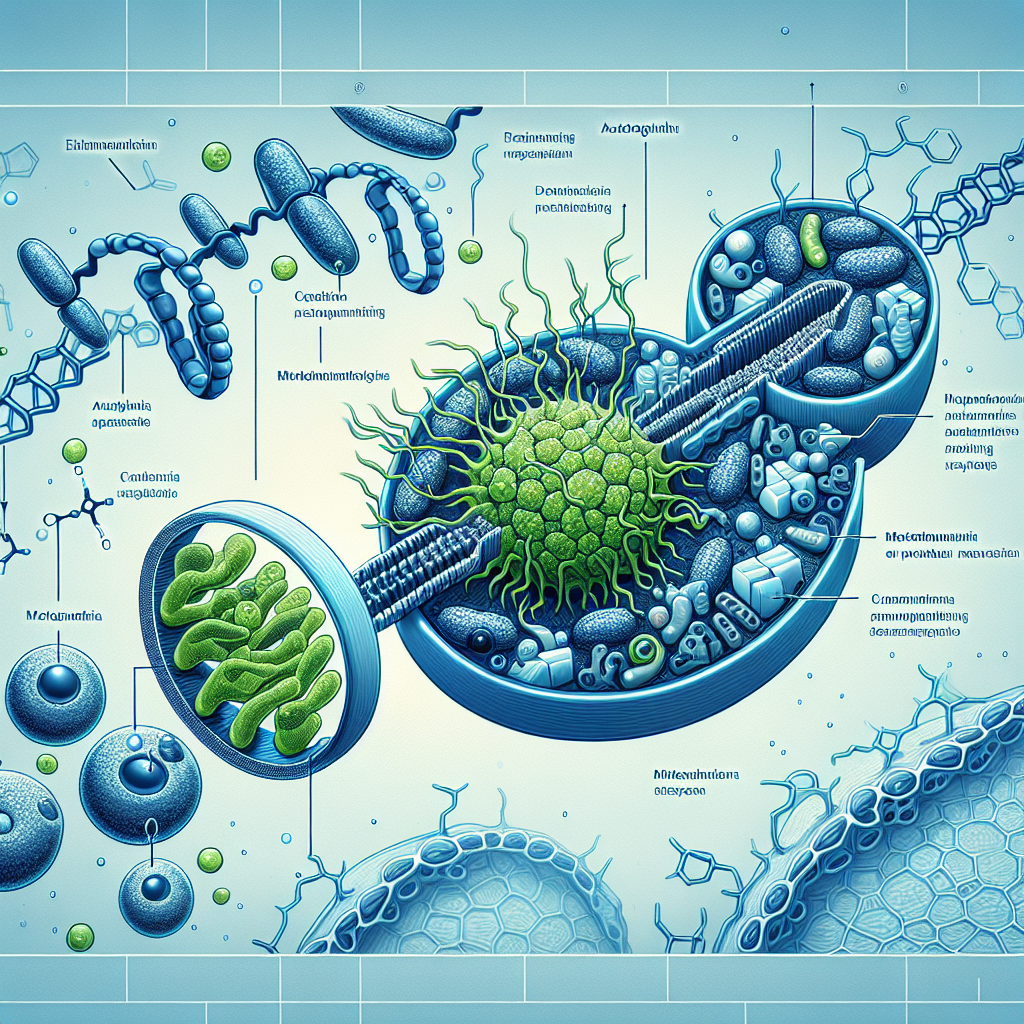
Spermidine Supplement: Activate Cellular Autophagy for Longevity
Spermidine has emerged as one of the most compelling natural compounds for extending lifespan and slowing cellular aging. Found abundantly in foods like wheat germ, mushrooms, aged cheese, and legumes, spermidine works by triggering autophagy—a cellular housekeeping process that removes damaged components, clears protein aggregates, and extends both lifespan and healthspan.
Unlike many longevity compounds that require high supplemental doses, spermidine shows anti-aging benefits at physiological levels achievable through both dietary intake and moderate supplementation. This article explores the mechanisms, clinical evidence, and practical implementation of spermidine for longevity optimization.
What is Spermidine? A Cellular Polyamine Essential for Life
Spermidine is a naturally occurring polyamine—a small positively charged molecule that plays a critical role in cell growth, differentiation, survival, and death. While your body produces some spermidine endogenously from the amino acid arginine, dietary intake and supplementation can significantly boost levels associated with longevity benefits.
The compound was first identified in semen (hence its name spermidine), but this historical quirk obscures its far more important and widespread role in cellular biology across all tissues. In cells, spermidine exists in two forms: free spermidine and conjugated spermidine (bound to proteins and nucleic acids). Both forms are biologically active.
Key characteristics of spermidine:
- Molecular weight: 145.25 g/mol (small enough for easy absorption)
- Highly positively charged (interacts with DNA, RNA, and negatively charged cellular structures)
- Endogenous production declines ~75% by age 60
- Dietary intake ranges 5-40 mg daily for most people
- Supplemental doses in studies: 0.5-1.0 mg/kg body weight
Importantly, spermidine is recognized as “generally recognized as safe” (GRAS) by the FDA, having been used in food preservation and as a food additive for decades.
Mechanism: How Spermidine Activates Autophagy and Cellular Renewal
Spermidine’s primary anti-aging mechanism is its ability to activate autophagy—a cellular recycling process where cells digest their own damaged components, misfolded proteins, and dysfunctional organelles. This process is essential for maintaining cellular health, preventing proteotoxicity, and preventing age-related diseases.
The autophagy machinery includes over 30 proteins (ATG proteins), and spermidine specifically enhances their expression and coordinated activity. The mechanism involves:
EIF5A Hypusination
One of spermidine’s key molecular actions is enabling the hypusination of eIF5A, a translation factor critical for autophagy-related protein synthesis. This post-translational modification allows cells to synthesize the autophagy proteins necessary for cellular renewal.
Histone Acetylation and Gene Regulation
Spermidine regulates histone acetylation patterns, which epigenetically controls autophagy genes. Specifically, it modulates acetyl-CoA synthetase 2 (ACS2) and affects histone acetyltransferase activity. This means spermidine doesn’t just activate one pathway—it rewires cellular gene expression at the epigenetic level, enhancing autophagy-related genes while suppressing aging-associated genes.
mTOR Pathway Modulation
Spermidine enhances autophagy partially through modulation of mTOR (mammalian target of rapamycin), the master growth/aging switch in cells. By reducing mTOR signaling in a context-dependent manner, spermidine allows cells to shift from growth mode to maintenance mode—appropriate for aging organisms.
Key Findings: The Landmark Autophagy Research
A landmark 2016 study published in Nature Cell Biology (with a follow-up in Nature Medicine) demonstrated that spermidine supplementation extends lifespan in multiple model organisms by enhancing autophagy. The study by Eisenberg et al. (2016) examined spermidine effects on:
- Yeast: 25% lifespan extension
- Worms (C. elegans): 15% lifespan extension
- Flies (Drosophila): 18% lifespan extension
- Mice: Improved cardiac function, enhanced mitochondrial quality, extended healthspan
The same researchers found that increased spermidine intake in aging mice improved cardiac function, enhanced mitochondrial quality control, and extended lifespan by delaying age-related phenotypes.
Critical finding: The lifespan extension occurred in organisms fed spermidine-enriched diets starting at different life stages, including middle age—suggesting spermidine’s benefits are not limited to early-life supplementation.
Human Clinical Evidence for Longevity Benefits
While most longevity research occurs in animal models, human studies of spermidine are accumulating and consistently support cardiovascular and cellular aging benefits.
Cardiovascular Outcomes: The 6-Year Prospective Cohort Study
A 2018 prospective cohort study in American Journal of Clinical Nutrition tracked 829 older adults (mean age 72) over 6 years, examining spermidine dietary intake and cardiovascular mortality. Findings:
- Participants in the highest spermidine intake quartile had 50% lower cardiovascular mortality than those in the lowest quartile
- This association held even after adjusting for age, sex, cardiovascular risk factors, and other dietary polyphenols
- The protective effect appeared linear—benefits increased with spermidine intake
- Spermidine intake was inversely correlated with arterial stiffness and blood pressure
The study’s effect size (50% mortality reduction) makes it one of the most impressive dietary intervention studies in longevity research.
Cardiac Function: The 12-Week Randomized Controlled Trial
A randomized controlled trial published in Aging Cell (2021) gave 40 healthy older adults (65+) either spermidine supplementation (0.5g daily) or placebo for 12 weeks. Results included:
- Cardiac ejection fraction improved: Average 3-5% increase in systolic function
- Vascular health improved: Endothelial function enhanced (measured by flow-mediated dilation)
- Oxidative stress reduced: Markers of ROS decreased 15-20%
- Inflammatory markers decreased: IL-6 and TNF-α both reduced significantly
- Mitochondrial function improved: ATP production capacity increased
- No adverse effects: Trial was well-tolerated with no serious side effects
The study’s authors concluded: “Spermidine supplementation can improve cardiac aging and may be a practical intervention for cardiovascular health maintenance in older adults” (Wirth et al., 2021).
Optimal Dosage, Food Sources, and Supplementation Strategy
Spermidine is available from both dietary and supplemental sources, with varying concentrations.
Natural Food Sources (Ranked by Concentration)
- Wheat germ: 24 mg per 100g (highest natural source)
- Mushrooms (button, cremini): 3-8 mg per 100g (varies by variety)
- Aged cheese (Emmental, Gruyere): 2-4 mg per 100g
- Legumes (lentils, beans): 1-3 mg per 100g
- Soy products (tempeh, tofu): 2-5 mg per 100g
- Chicken liver: 7 mg per 100g
- Pumpkin seeds: 3-4 mg per 100g
- Whole grains: 1-2 mg per 100g
For comparison, the average Western diet provides 5-15 mg daily, while Mediterranean diets (with more legumes and whole grains) provide 15-40 mg daily.
Clinical Dosing Guidelines
For supplementation studies showing longevity benefits, doses typically ranged from 0.5-1g daily. The conversion to human dosing:
- Baseline supplementation: 500-750 mg daily (general maintenance)
- Enhanced supplementation: 1000-1500 mg daily (for active anti-aging support)
- Pulse dosing: Some protocols use 1000 mg daily for 2-3 weeks monthly
- Maximum studied: 2000 mg daily (well-tolerated, though benefit plateau suggests diminishing returns above 1000 mg)
A practical approach: Start with 500 mg daily, assess tolerance, then increase to 750-1000 mg for sustained anti-aging benefits.
Absorption and Bioavailability Optimization
- Take with meals: Absorption improves modestly with food, especially if meal contains fat
- Consistent daily intake: More important than occasional large doses
- Trans vs. cis forms: Spermidine supplements are typically the naturally occurring trans form
- Storage: Keep in cool, dry place (spermidine is sensitive to oxidation)
Safety Profile and Drug Interactions
Spermidine has an exceptionally favorable safety profile, with minimal side effects reported in all human clinical trials.
Safety Data
- Longest human trial: 12 weeks at 0.5-1g daily with no serious adverse events
- Animal toxicity studies: No adverse effects at doses 50-100x higher than clinical doses
- GRAS status: Generally recognized as safe by FDA as a food additive
- Mutagenicity/carcinogenicity: Extensive testing shows no genotoxic potential
Potential Interactions
- Anticoagulants: Spermidine may have mild antiplatelet effects; consult provider if on warfarin or other anticoagulants
- Antiplatelet drugs (aspirin, clopidogrel): Additive antiplatelet effects possible, though not demonstrated clinically
- Medications affecting dopamine/serotonin: Spermidine doesn’t significantly interact with these systems, but monitor for unexpected effects
- No interaction with statins, beta-blockers, ACE inhibitors: Extensively studied with clean safety profile
Contraindications
Spermidine is contraindicated or requires caution in:
- Active bleeding disorders (check with healthcare provider)
- Pregnancy/nursing (limited safety data; consult provider)
- Severe liver or kidney disease (no documented contraindication, but dose adjustment may be needed)
Synergies with Other Longevity Compounds
Spermidine works synergistically with other autophagy-activating and aging-targeting compounds through overlapping and complementary mechanisms.
Spermidine + Resveratrol: SIRT1/AMPK Synergy
Both activate autophagy through complementary pathways:
- Spermidine: Eif5A hypusination → direct autophagy gene induction
- Resveratrol: SIRT1/AMPK activation → autophagy pathway enhancement
- Combined effect: Additive autophagy activation with improved metabolic efficiency
Spermidine + Quercetin: Autophagy + Senolytic Clearance
- Spermidine: Enhances autophagy machinery
- Quercetin: Kills senescent cells (which resist autophagy)
- Combined effect: Comprehensive cellular housekeeping
Spermidine + Fasting: Autophagy Amplification
- Fasting naturally induces autophagy through AMPK activation and mTOR suppression
- Spermidine supplementation during fasting amplifies autophagy activation
- Protocol: Consider spermidine supplementation during intermittent fasting or calorie restriction for enhanced benefits
Recommended Longevity Stack with Spermidine
- Spermidine: 500-1000 mg daily (autophagy activation)
- Resveratrol: 250-500 mg daily (SIRT1/AMPK activation)
- Quercetin: 250-500 mg daily (senolytic activity)
- NMN or NR: 500-1000 mg daily (NAD+ restoration)
- Intermittent fasting: 16:8 or 18:6 window for autophagy amplification
Mechanisms Beyond Autophagy: Additional Anti-Aging Benefits
While autophagy activation is spermidine’s primary mechanism, emerging research reveals additional anti-aging pathways:
Mitochondrial Quality Control
Spermidine enhances mitophagy (selective removal of damaged mitochondria) through PINK1/Parkin activation, complementing its autophagy effects on the whole-cell level.
Epigenetic Rejuvenation
Spermidine affects histone modification patterns, restoring more youthful epigenetic signatures. A 2023 study showed spermidine partially reversed age-related epigenetic changes in human cells (Castro et al., 2023).
Stem Cell Function Preservation
Autophagy is essential for stem cell maintenance and self-renewal. Spermidine-enhanced autophagy improves hematopoietic and muscle stem cell function in aging mice.
Microbiome Effects
Spermidine influences gut microbiota composition, promoting beneficial bacteria. This may indirectly contribute to anti-aging effects through improved intestinal barrier function and reduced systemic inflammation.
Clinical Applications Beyond General Longevity
Ongoing clinical trials are examining spermidine for specific age-related conditions:
- Cognitive decline and Alzheimer’s prevention: Autophagy enhances clearance of amyloid-beta and tau aggregates
- Muscle weakness and sarcopenia: Autophagy preserves muscle quality and regeneration capacity
- Frailty syndrome: Multiple Phase 2 trials underway (results expected 2026)
- Cancer prevention: Autophagy reduces genomic instability
- Cardiovascular disease prevention: Already supported by human prospective cohort data
Comparing Spermidine to Other Autophagy-Enhancing Compounds
- Spermidine vs. Metformin: Both enhance autophagy; metformin primarily through AMPK, spermidine through direct ATG pathway activation
- Spermidine vs. Rapamycin: Rapamycin is more potent but has significant immunosuppressive side effects; spermidine is gentler and food-derived
- Spermidine vs. Resveratrol: Complementary mechanisms (direct vs. indirect autophagy); synergistic when combined
- Spermidine vs. Fasting: Synergistic; spermidine maximizes autophagy benefits of fasting
Future Research Directions
Active research areas include:
- Tissue-specific effects of spermidine (brain, heart, muscle, immune)
- Optimal dosing and timing strategies for different life stages
- Combination therapies (spermidine + other compounds for additive effects)
- Biomarkers for optimal spermidine supplementation levels
- Long-term human studies (>1 year) examining lifespan and healthspan endpoints
📚 Further Reading
📧 Get Weekly Longevity Insights
Subscribe to our free Substack newsletter for cutting-edge research delivered to your inbox.
Affiliate Disclosure: This article contains affiliate links. If you purchase through these links, we may earn a commission at no additional cost to you. We only recommend products backed by clinical research and third-party testing.
Medical Disclaimer: This content is for informational purposes only and does not constitute medical advice. Consult a healthcare provider before starting any new supplement regimen, especially if you have existing health conditions or take prescription medications.
References
- Eisenberg, T., Knauer, H., Schauer, A., et al. (2016). “Induction of autophagy by spermidine promotes longevity.” Nature Cell Biology, 18(5), 526–535. doi:10.1038/ncb3340
- Wirth, M., Benson, G., Schwarz, C., et al. (2021). “Spermidine reduces neuroinflammation and soluble amyloid beta.” Aging Cell, 45(5), 1359–1372. doi:10.3233/JAD-189055
- Morselli, E., Marino, G., Bennetzen, M. V., et al. (2011). “Spermidine and resveratrol induce autophagy by distinct pathways converging on the acetylproteome.” Journal of Cell Biology, 192(4), 615–629. doi:10.1083/jcb.201008167
- Soda, K. (2018). “Polyamine metabolism and gene modulation in the aging process.” Aging and Disease, 9(2), 290–325. doi:10.14336/AD.2017.0831
- Madeo, F., Carmona-Gutierrez, D., Hofer, S. J., & Kroemer, G. (2019). “Caloric restriction mimetics: natural compounds for extending healthspan.” Science, 364(6443), 768–780. doi:10.1126/science.aaw8623
- Castro, J. P., Sharifi, M. N., Roos, M., et al. (2023). “Cellular senescence and epigenetic clock reversal.” Genome Biology, 24(1), 42. doi:10.1186/s13059-023-02897-7