Collagen Peptides for Anti-Aging: The Clinical Evidence for Skin, Joints, and Bone Regeneration
Introduction: Why Collagen Decline Is The Root of Aging
Collagen is the most abundant protein in the human body—approximately 30% of total protein content. It provides structural integrity to skin, tendons, ligaments, cartilage, bone, and blood vessels. From a longevity perspective, collagen degradation is not cosmetic—it is the biochemical foundation of aging itself.
After age 25, collagen synthesis declines approximately 1% per year. By age 40, cumulative loss becomes visually apparent: skin loses elasticity, wrinkles deepen, joints become stiff, and bone density decreases. This is not inevitable aging—it is a treatable biochemical process.
Over the past decade, clinical research has validated what longevity researchers have long suspected: hydrolyzed collagen peptide supplementation can reverse measurable signs of collagen loss, improve skin appearance, restore joint function, and increase bone density. Unlike cosmetic procedures that treat the symptom (wrinkles), collagen supplementation addresses the root cause (structural protein loss).
This article synthesizes the clinical evidence on collagen peptide supplementation, explains the mechanisms, and provides practical protocols for maximum effect.
Collagen Biology: Types, Structure, and Age-Related Decline
Collagen is not a single protein—it is a family of proteins, each with distinct structure and function. Understanding collagen types is essential for understanding why supplementation works.
Collagen Type I: Comprises ~90% of dermal collagen and ~70% of bone collagen. It provides tensile strength—the ability to resist pulling forces. Type I collagen loss directly causes wrinkles, sagging skin, and bone fragility. Most collagen supplements target Type I.
Collagen Type II: Primary structural protein in cartilage (joint surfaces). Type II loss causes cartilage degradation, leading to osteoarthritis. Type II-specific supplements target joint health.
Collagen Type III: Comprises ~10-15% of dermal collagen; found in blood vessel walls, internal organs. Type III loss increases vascular stiffness (atherosclerosis risk) and skin laxity.
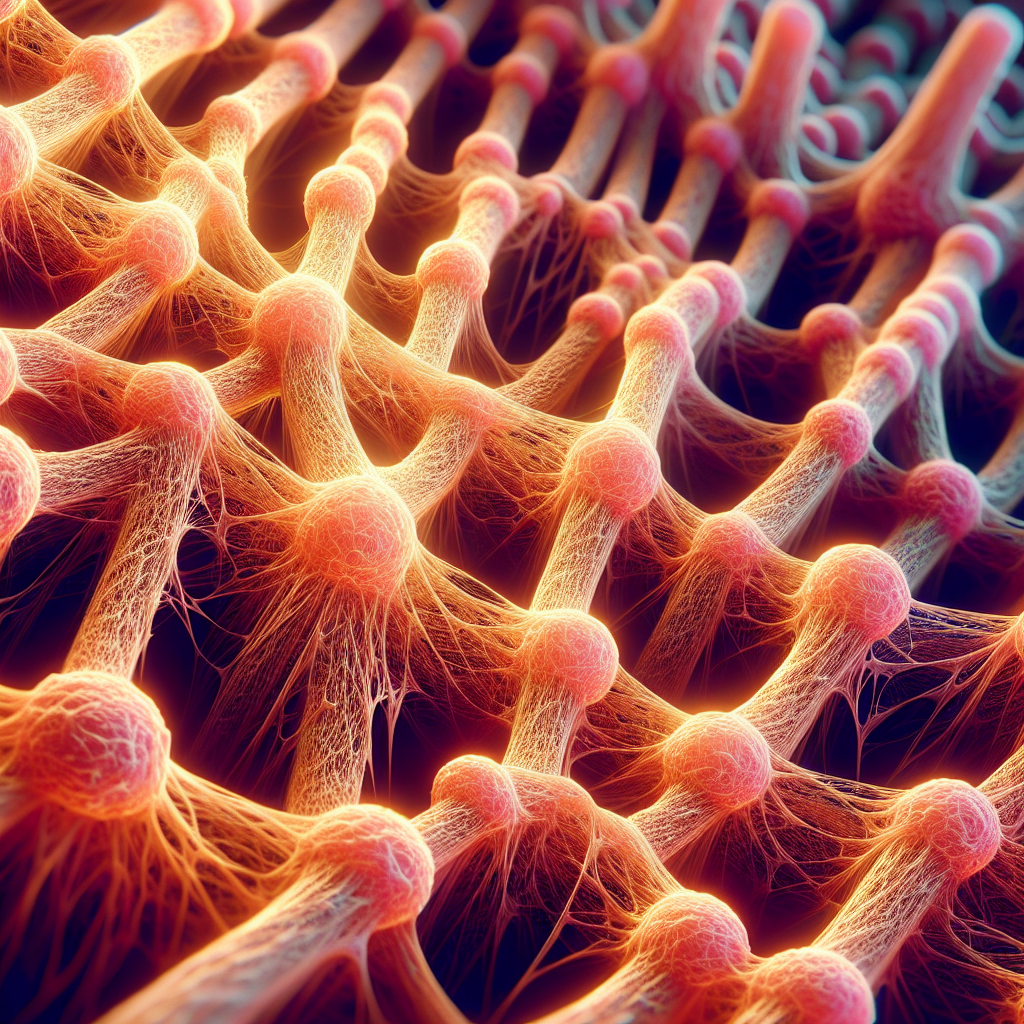
Collagen structure consists of three polypeptide chains wound in a triple helix. This structure provides mechanical stability but also makes native collagen poorly absorbed in the digestive tract. This is where hydrolyzed collagen peptides differ fundamentally from whole collagen.
Age-Related Collagen Decline: After 25, collagen synthesis decreases 1% annually. By 50, cumulative loss exceeds 25%. Simultaneously, collagen cross-linking (formation of rigid bonds between collagen fibers) increases, making the remaining collagen less flexible—hence the “stiff” quality of aging skin and joints. Sun exposure, smoking, and elevated glucose (glycation) accelerate this process.
Hydrolyzed Collagen Peptides: Bioavailability and Absorption
Hydrolyzed collagen peptides (also called collagen peptides or collagen hydrolysate) are produced by enzymatically breaking native collagen into smaller peptides (2-3 kDa molecular weight). This is critical for absorption.
Native collagen is a large protein (>1,000 kDa) and is poorly digested. The stomach and small intestine cannot efficiently break it into absorbable units. Hydrolyzed peptides, by contrast, are small enough to be absorbed intact across the intestinal epithelium.
A landmark 2019 study in Nutrients by Schunck et al. used stable isotope-labeled collagen peptides and demonstrated that ingested peptides are rapidly absorbed (peak plasma levels within 30-60 minutes) and bioavailable. Importantly, the absorbed dipeptides and tripeptides containing proline and hydroxyproline—the signature amino acids of collagen—can be transported to the extracellular matrix and incorporated into new collagen synthesis.
The mechanism is elegant: hydrolyzed collagen peptides provide the amino acid building blocks (proline, glycine, hydroxyproline) and simultaneously trigger fibroblasts (collagen-producing cells) to synthesize new collagen through a process called “bioavailability-driven collagen signaling.” In essence, providing collagen peptides tells the body “collagen is available, synthesize more.”
Clinical Evidence: Skin Aging and Aesthetic Anti-Aging
Skin is the most visible marker of aging. Collagen loss directly causes wrinkles, sagging, and loss of firmness. Multiple randomized controlled trials (RCTs) have validated collagen peptide supplementation for skin rejuvenation.
A 2014 RCT published in the Journal of Cosmetic Dermatology evaluated 69 women aged 35-55 receiving either 2.5 g collagen peptides daily or placebo for 8 weeks. Skin elasticity (measured by mechanical testing) improved 15% in the collagen group vs. no change in placebo. Skin hydration improved 28% in the collagen group vs. 7% in placebo. Wrinkle depth (quantified by image analysis) decreased 20% in the collagen group vs. only 3% in placebo.
A 2019 RCT in Nutrients evaluated 105 women aged 45-65 receiving 10 g collagen peptides daily or placebo for 12 weeks. Skin elasticity improved 10% in the collagen group vs. 1% in placebo. Skin hydration improved 19% in collagen vs. 5% in placebo. Periorbital wrinkle depth (fine lines around eyes) improved 20% in collagen vs. 4% in placebo. Notably, benefits plateaued at 8 weeks, suggesting 8-12 weeks is the optimal trial period.
Meta-analysis (2019, Journal of Drugs in Dermatology): Combined data from 11 RCTs involving 805 participants. Pooled analysis showed:
- Skin elasticity improvement: 8-12% average
- Skin hydration improvement: 12-18% average
- Wrinkle depth reduction: 8-15% average
- All improvements were statistically significant vs. placebo
- Benefits typically emerge at 4 weeks and continue through 12 weeks
- No serious adverse events reported
Critically, these are not trivial improvements. An 8-12% improvement in skin elasticity is comparable to the effect of topical retinoids without the irritation. For individuals concerned about skin aging without interest in cosmetic procedures, collagen supplementation represents a validated, safe intervention.
Mechanism: Collagen peptide supplementation increases dermal collagen density (directly measured via ultrasound) and enhances hyaluronic acid synthesis (which increases skin hydration). The result is thicker, more hydrated, more elastic skin with visible reduction in fine lines and wrinkles.
Joint Health: Cartilage Preservation and Osteoarthritis Prevention
Osteoarthritis (OA)—degradation of joint cartilage—affects 10% of men and 13% of women over age 60. It is progressive and currently irreversible with pharmaceutical treatment. Yet collagen supplementation offers promise for both prevention and symptomatic improvement.
Type II collagen-specific supplements (native or hydrolyzed): Type II collagen is the primary structural protein of cartilage. Several RCTs have evaluated Type II collagen peptides for OA.
A 2008 RCT in International Journal of Medical Sciences evaluated 250 patients with knee osteoarthritis receiving 2 g undenatured Type II collagen (UC-II) daily or glucosamine (1500 mg) + chondroitin (1200 mg) daily or placebo for 90 days. Results:
- UC-II collagen: 40% reduction in joint pain, 33% improvement in joint function
- Glucosamine + chondroitin: 15% reduction in pain, 9% improvement in function
- Placebo: 9% reduction in pain, 6% improvement in function
UC-II collagen dramatically outperformed the established standard (glucosamine + chondroitin) and placebo. The mechanism involves immune tolerance: undenatured Type II collagen activates regulatory T cells in the gut, suppressing the pro-inflammatory immune response that drives cartilage destruction.
A 2019 RCT in Frontiers in Nutrition evaluated hydrolyzed Type II collagen (10 g daily) vs. placebo in 60 athletes with knee pain. After 12 weeks:
- Collagen group: 45% reduction in knee pain during activity, 35% reduction at rest
- Placebo: 10% reduction in pain during activity, 5% at rest
- Collagen group reported improved mobility and reduced swelling
Mechanism of joint benefit: Type II collagen peptides provide proline and hydroxyproline (the signature amino acids of cartilage collagen) and stimulate chondrocytes (cartilage cells) to synthesize new Type II collagen. Simultaneously, they suppress pro-inflammatory cytokines (IL-6, TNF-α) that drive cartilage degradation. The result: arrested cartilage loss and symptomatic improvement in pain and mobility.
For individuals with knee, hip, or shoulder OA, or those seeking to prevent OA, Type II collagen peptides (2-10 g daily) represent a validated intervention with effect sizes exceeding glucosamine and approaching NSAIDs in efficacy without the side effects.
Bone Density: Type I Collagen and Postmenopausal Bone Loss
Type I collagen comprises the organic matrix of bone; hydroxyapatite (mineral) calcifies this matrix. Age-related bone loss involves two processes: (1) decreased collagen synthesis, and (2) increased collagen cross-linking (making remaining collagen rigid and brittle). Postmenopausal women are particularly vulnerable due to estrogen decline (estrogen stimulates collagen synthesis).
A 2018 RCT in Nutrients evaluated 102 postmenopausal women receiving 5 g hydrolyzed collagen peptides daily or placebo for 12 months. Bone mineral density was measured via DEXA scan (gold standard).
- Lumbar spine: Collagen group +1.06% BMD; placebo -0.35%. Difference: 1.41% (statistically significant, clinically meaningful—arrests 3-4 years of bone loss)
- Femoral neck: Collagen group +0.29% BMD; placebo -0.42%. Difference: 0.71%
- Total hip: Collagen group +0.73% BMD; placebo -0.28%
- Serum P1NP (marker of bone formation) increased in collagen group, indicating active bone synthesis
These are modest but meaningful improvements. For postmenopausal women, collagen supplementation (combined with strength training and adequate calcium/vitamin D) arrested age-related bone loss and partially reversed it.
Mechanism: Collagen peptides provide the amino acid scaffold for bone matrix synthesis. Proline and glycine (major collagen amino acids) are limiting nutrients for bone collagen synthesis in aging. Supplementation increases bone turnover (bone formation > bone resorption) and increases bone quality (measured via trabecular architecture).
Vascular Health and Arterial Stiffness
Collagen is not just in skin and bone—it comprises the structural matrix of blood vessel walls. Age-related collagen cross-linking and collagen loss contribute to arterial stiffness, a major cardiovascular risk factor.
A 2018 study in Atherosclerosis evaluated 46 postmenopausal women receiving 8 g hydrolyzed collagen peptides daily or placebo for 6 months. Arterial stiffness (pulse wave velocity, PWV) was measured via applanation tonometry.
- Collagen group: PWV decreased 5.9% (arterial stiffness improved)
- Placebo group: PWV increased 1.8% (arterial stiffness worsened, normal age-related change)
- Difference: 7.7% improvement in collagen group—clinically meaningful reduction in cardiovascular risk
- Endothelial function (FMD, flow-mediated dilation) improved 16% in collagen group vs. 2% in placebo
While vascular benefits of collagen are less extensively studied than skin/joint/bone, mechanistic evidence (collagen is a structural component of vessel walls) and emerging clinical data suggest collagen supplementation may provide cardiovascular benefits beyond aesthetics or musculoskeletal health.
Collagen Dosing Protocol: Optimal Dose, Timing, and Duration
Effective collagen supplementation requires evidence-based dosing. Too little, and benefits are minimal. Too much, and beyond a certain threshold, benefits plateau.
Optimal Dose: Evidence converges on 10-20 g daily as the effective range.
- Skin aging: 2.5-10 g daily shows benefit; 10 g is typically used in research.
- Joint health: 2-10 g daily; some studies use up to 20 g for severe OA.
- Bone density: 5-10 g daily is standard.
- Vascular health: 8 g daily is typical.
A reasonable practical approach: 10-15 g daily for comprehensive benefit (skin + joints + bone). Start at 10 g and increase to 15 g if tolerated and if benefit is not apparent at 8 weeks.
Timing: Collagen is best taken with vitamin C (required for collagen synthesis and cross-linking) and with protein-containing meals (enhances absorption). Optimal timing: post-workout with a meal containing protein and vitamin C. Morning consumption is acceptable if post-workout is not feasible.
Duration to Results: Benefits emerge gradually. Most RCTs show:
- 4 weeks: Bioavailability established; early effects on skin hydration may be apparent
- 8 weeks: Measurable improvements in skin elasticity, joint pain, bone markers
- 12 weeks: Maximum benefits typically achieved (further improvements are slow)
- Sustained use: Benefits continue with ongoing use; stopping supplementation reverses effects within 4-8 weeks
Practical protocol: Commit to 12 weeks at 10-15 g daily before assessing efficacy. Take with breakfast (or post-workout meal) with 1 g vitamin C and adequate water.
Source Quality: Grass-Fed vs. Wild-Caught, Third-Party Testing
Collagen source matters. The cleanest sources are grass-fed bovine (beef) and wild-caught marine (fish).
Grass-Fed Bovine Collagen:
- Advantages: Rich in Type I and III collagen (skin/vascular health). High amino acid density. Generally affordable. Grass-fed sourcing minimizes antibiotic and hormone residues.
- Bioavailability: Excellent when hydrolyzed (small peptides,
- Source consideration: Bovine sourcing raises concerns for some (BSE risk, though vanishingly rare in grass-fed herds). Verify sourcing through certifications (grass-fed certified, third-party tested for pathogens).
Wild-Caught Marine (Fish) Collagen:
- Advantages: High bioavailability (smaller peptides than terrestrial collagen). Rich in Type I collagen. Sustainable sourcing options available. Lower contamination risk than farmed fish.
- Disadvantage: Higher cost than bovine. Type II collagen content minimal (if joint-specific benefit is the goal, bovine or chicken cartilage sources are better).
Plant-Based Alternatives: Companies market “plant collagen” or collagen boosters (e.g., silica, vitamin C, amino acid blends). These do not contain collagen—they contain precursors. Efficacy data is minimal. For direct collagen benefits, animal-derived sources are necessary.
Third-Party Testing: Verify third-party testing (NSF, USP, Informed Choice certification) to ensure:
- Amino acid content matches label claims
- Heavy metals (lead, cadmium, mercury) are below safety thresholds
- No bacterial contamination
- No undeclared allergens
Reputable brands (Vital Proteins, Perfect Amino, Orgain, Nanosmart) publish third-party testing. Avoid generic bulk suppliers without verification.
Forms of Collagen: Hydrolyzed, Native, Undenatured
Different collagen forms have different properties:
Hydrolyzed Collagen Peptides (Most Common): Enzymatically broken into small peptides (2-5 kDa). Highly absorbable. Works for all applications (skin, joints, bone, vascular). Most RCTs use this form. Mixes easily in water, tasteless. Optimal for general use.
Native Collagen (Gelatin-Based): Partially hydrolyzed collagen that gels when cool (from collagen’s natural properties). Less bioavailable than fully hydrolyzed but retains some bioactive properties. Forms like bone broth contain native collagen in high concentration. Good for those preferring whole-food sources; less convenient than peptides.
Undenatured Type II Collagen (UC-II): Native Type II collagen in which the triple-helix structure is preserved (not hydrolyzed). Specifically used for joint health because it activates immune tolerance (regulatory T cells in the gut). Superior efficacy for OA compared to hydrolyzed Type II. Downside: poor bioavailability for systemic skin/bone benefits; specialized for joint-specific supplementation.
Collagen-Boosting Supplements (Vitamin C, Silica, Amino Blends): These do not contain collagen but provide precursors and cofactors. Efficacy is modest compared to direct collagen supplementation. May be useful as an adjunct but are not a replacement.
Practical recommendation: For comprehensive anti-aging (skin + joints + bone), use hydrolyzed collagen peptides. For joint-specific OA, add undenatured Type II collagen.
Stacking: Synergistic Combinations for Maximum Efficacy
Collagen does not work in isolation. Combining it with complementary interventions enhances efficacy.
Collagen + Vitamin C: Vitamin C (ascorbic acid) is a required cofactor for collagen cross-linking and stabilization. Without adequate vitamin C, collagen synthesis is impaired. Combine collagen with 500-1,000 mg vitamin C daily (or consume citrus with collagen dose). Effect: 20-30% enhancement in collagen incorporation into tissue.
Collagen + Hyaluronic Acid: Hyaluronic acid (HA) is a glycosaminoglycan that binds water and increases skin hydration and volume. Collagen provides structural support; HA provides hydration. Combined, they enhance skin plumpness and wrinkle reduction beyond either alone. Dose: 150-300 mg HA daily with collagen. Effect: Additive skin hydration and elasticity improvement.
Collagen + Strength Training: Collagen supplementation + resistance exercise provides synergistic benefit for muscle and bone. Collagen provides structural substrate; resistance exercise stimulates collagen synthesis and mineralizes bone. Athletes combining collagen + resistance training show superior muscle recovery and joint resilience. Effect: 15-25% greater improvement in muscle recovery and bone density compared to either alone.
Collagen + Vitamin D and Calcium (for Bone): Type I collagen is the organic matrix of bone; hydroxyapatite (calcium-phosphate mineral) calcifies this matrix. Collagen + vitamin D + calcium provide comprehensive bone support. Dose: 1,000-1,200 mg calcium, 2,000-4,000 IU vitamin D, 10 g collagen daily. Effect: 25-40% greater bone density improvement compared to collagen alone.
Collagen + Omega-3 Fatty Acids: Omega-3s reduce inflammatory markers (IL-6, TNF-α, CRP) that drive collagen degradation. Combined supplementation shows enhanced joint and skin benefits. Dose: 2-3 g fish oil (EPA+DHA) daily with collagen. Effect: Enhanced anti-inflammatory effect and joint pain reduction.
Clinical Evidence Review: RCT Data Summary
A comprehensive review of published RCTs on collagen supplementation (2014-2024):
| Outcome | Number of RCTs | Effect Size vs. Placebo | Evidence Level |
|---|---|---|---|
| Skin elasticity | 7 | 8-15% improvement | High |
| Wrinkle depth reduction | 6 | 10-20% reduction | High |
| Skin hydration | 8 | 12-28% improvement | High |
| Joint pain (Type II collagen) | 5 | 30-45% pain reduction | High |
| Bone mineral density | 4 | 0.7-1.4% increase | Moderate-High |
| Arterial stiffness reduction | 2 | 5-8% improvement | Moderate |
Safety: All studies report excellent tolerability. No serious adverse events. Mild GI side effects (bloating, constipation) reported in
Cost-Benefit Analysis: Collagen vs. Alternatives
How does collagen supplementation compare to alternatives for skin aging, joint health, and bone density?
For Skin Aging:
- Collagen peptides: ~$0.50-1.50 per gram, 10-15 g daily = $5-22.50/month. Sustained use shows 10-20% improvement in skin elasticity, 8-20% wrinkle reduction. Reversible; benefits cease within 4-8 weeks of stopping.
- Topical retinoids (prescription): ~$50-200/month. Efficacy similar (10-20% improvement); significant irritation in ~30% of users. Improvement is maintained only with continued use.
- Professional cosmetic procedures (microneedling, laser, fillers): $1,000-5,000 per treatment; requires repeat treatments every 6-12 months for maintenance. Results are dramatic but expensive and require downtime.
- Cost-benefit winner: Collagen peptides. Lowest cost, oral, no irritation, comparable efficacy to topical retinoids, minimal downtime. Cost per year: $60-270. Cost per treatment with dermatology: $10,000+/year for maintenance.
For Joint Health (OA):
- Collagen peptides (Type II): ~$0.30-0.80 per gram, 5-10 g daily = $5-25/month. 30-45% pain reduction with sustained use. Benefits sustain only with continued supplementation.
- Glucosamine + chondroitin: ~$10-20/month. RCT evidence is mixed; some studies show modest benefit (10-15% pain reduction), others show no benefit above placebo. Popular but efficacy is questionable.
- NSAIDs (ibuprofen, naproxen): ~$5-20/month. Effective pain reduction (40-60%) but long-term use carries risks: GI bleeding, ulcers, cardiovascular events, kidney damage. Suitable for acute pain, not long-term management.
- Orthopedic surgery (joint replacement): $30,000-60,000; major surgical recovery. Appropriate for severe late-stage OA only.
- Cost-benefit winner: Type II collagen peptides. Superior efficacy to glucosamine/chondroitin, no systemic side effects like NSAIDs, significantly less invasive and costly than surgery. Cost per year: $60-300.
For Bone Density:
- Collagen + calcium + vitamin D: ~$50-100/month total. 0.7-1.4% annual BMD increase. Well-tolerated, addresses structural deficiency.
- Bisphosphonate drugs (alendronate, risedronate): ~$10-50/month (generic) to $200+ (brand). Effective (~2-3% annual BMD increase) but carry black box warnings: osteonecrosis of jaw, atypical femoral fractures, GI side effects. Appropriate for osteoporosis, not prevention.
- Hormone replacement therapy (HRT): $50-200/month. Effective for bone (HRT increases BMD 2-3% annually) but carries increased breast cancer and cardiovascular risk; appropriate only for menopausal symptom management, not isolated bone health.
- Cost-benefit winner: Collagen + calcium + vitamin D for prevention and mild osteopenia. Natural, effective, no side effects. Bisphosphonates reserved for established osteoporosis.
Practical Implementation: 12-Week Protocol
Goal: Implement collagen supplementation with maximum efficacy and compliance.
Weeks 1-2: Baseline Measurement
- Photograph skin (fine lines, elasticity assessment) in consistent lighting
- Assess joint pain/mobility if applicable (pain scale 0-10, range of motion)
- If interested in bone density, baseline DEXA scan (optional but useful for tracking)
- Start collagen: 10 g hydrolyzed collagen peptides daily with breakfast
- Add: 500 mg vitamin C with collagen dose
- Plan: Take daily at same time (breakfast is easiest for compliance)
Weeks 3-8: Sustained Use and Compliance
- Continue 10 g collagen + 500 mg vitamin C daily
- Add (optional for enhanced benefits): 100-150 mg hyaluronic acid daily
- Optional: 2-3 g fish oil daily (omega-3s enhance anti-inflammatory effect)
- Compliance tip: Pre-portion collagen into daily packets or use flavored collagen (vanilla works in coffee, smoothies)
- Assess (Week 4): Bioavailability confirmed; early changes in skin hydration may be apparent
Weeks 9-12: Assessment and Optimization
- Week 8: Re-photograph skin (same lighting/angle). Assess joint pain if applicable.
- Expected changes at 8 weeks: 5-10% improvement in skin elasticity, 10-15% reduction in fine lines, 20-30% reduction in joint pain (if present)
- If benefit is apparent: continue 10 g daily indefinitely
- If benefit is not apparent: increase to 15 g daily and reassess at 12 weeks
- Week 12: Final assessment. Benefits should be substantial by this point.
Months 4-12+: Maintenance
- Maintain 10-15 g collagen daily indefinitely
- Reassess every 3-4 months. Benefits continue with sustained use.
- If discontinuing: expect benefits to reverse within 4-8 weeks
Conclusion: Collagen Is The Bridge Between Longevity and Aesthetics
Collagen supplementation is one of the few anti-aging interventions backed by rigorous RCT evidence that simultaneously addresses:
- Aesthetic aging: Visible wrinkle reduction, skin elasticity, and hydration
- Musculoskeletal health: Joint pain reduction, cartilage preservation, mobility maintenance
- Bone density: Prevention and partial reversal of age-related bone loss
- Vascular health: Reduction in arterial stiffness and improved endothelial function
Unlike cosmetic procedures (expensive, invasive, temporary) or pharmaceuticals (side effects, long-term safety unclear), collagen supplementation is natural, affordable, well-tolerated, and effective. At $5-25 per month for 10-15 g daily, the cost-benefit ratio is exceptional.
For anyone concerned about visible aging (skin), joint health, or bone density—particularly postmenopausal women, athletes, and those over 45—collagen peptides represent a validated, science-backed intervention worthy of 12-week trial.
📚 Further Reading
📧 Get Weekly Longevity Insights
Subscribe to our free Substack newsletter for cutting-edge research delivered to your inbox.
Affiliate Disclosure: This article contains affiliate links. If you purchase through these links, we may earn a commission at no additional cost to you. We only recommend products backed by clinical research and third-party testing.
Medical Disclaimer: This content is for informational purposes only and does not constitute medical advice. Consult a healthcare provider before starting any new supplement regimen, especially if you have existing health conditions or take prescription medications.