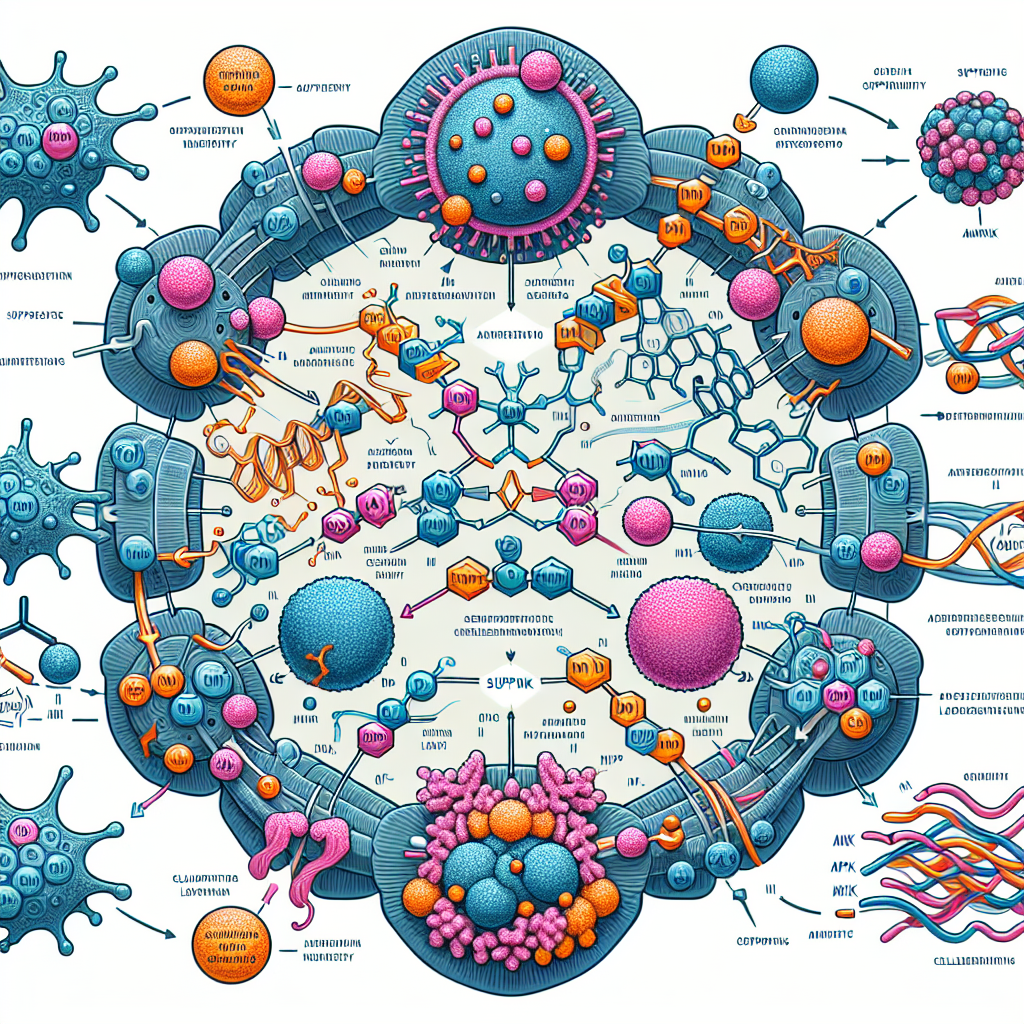
Caloric Restriction Mimetics: Non-Prescription Alternatives That Activate Longevity Pathways
Caloric restriction (CR)—reducing calorie intake by 20-40% while maintaining nutrition—remains the most robust intervention for extending lifespan across species. From yeast to primates, CR consistently increases longevity by 20-50% while delaying age-related diseases. But who wants to live in a state of perpetual hunger?
Enter caloric restriction mimetics (CRMs): compounds that activate the same molecular pathways as caloric restriction without requiring you to reduce food intake. These substances trick your cells into thinking they’re in a fasted state, triggering protective mechanisms that evolved to help organisms survive periods of scarcity.
This comprehensive guide explores the science behind CRMs and provides evidence-based protocols for accessing these benefits through supplementation.
The Science of Caloric Restriction
Understanding why caloric restriction works is essential to selecting effective mimetics. CR activates three primary longevity pathways:
1. mTOR Inhibition (Growth Suppression)
The mechanistic target of rapamycin (mTOR) is your cellular growth accelerator. When nutrients are abundant, mTOR drives protein synthesis, cell division, and anabolic processes. This is beneficial during youth but becomes problematic with age.
Chronic mTOR activation:
- Accelerates cellular senescence
- Reduces autophagy (cellular cleanup)
- Promotes cancer cell growth
- Drives inflammatory pathways
- Shortens lifespan in animal models
Caloric restriction naturally suppresses mTOR, shifting cells from growth mode to maintenance and repair mode. Studies show that mTOR inhibition alone extends lifespan by 10-25% in mammals[1].
2. AMPK Activation (Energy Sensing)
AMP-activated protein kinase (AMPK) is your cellular fuel gauge. When energy is low, AMPK activates to:
- Increase mitochondrial biogenesis
- Enhance insulin sensitivity
- Stimulate fat burning (beta-oxidation)
- Activate autophagy
- Reduce inflammation
AMPK and mTOR function as opposing switches: AMPK promotes survival and repair, while mTOR promotes growth and consumption.
3. Sirtuin Activation (DNA Repair and Stress Resistance)
Sirtuins are NAD+-dependent enzymes that regulate hundreds of cellular processes, including DNA repair, inflammation, and mitochondrial function. Caloric restriction increases NAD+ levels, activating sirtuins and extending healthspan.
The seven sirtuin proteins (SIRT1-7) coordinate cellular stress responses, with SIRT1, SIRT3, and SIRT6 showing the strongest longevity effects.
Caloric Restriction Mimetics Comparison Table
| Compound | Primary Mechanism | Optimal Dose | Evidence Level | Cost (Monthly) | Side Effects |
|---|---|---|---|---|---|
| Spermidine | Autophagy inducer | 1-3mg | ⭐⭐⭐⭐ (Human RCTs) | $30-50 | Minimal |
| Quercetin | mTOR inhibitor, senolytic | 500-1,000mg | ⭐⭐⭐⭐ (Human trials) | $15-30 | Rare GI upset |
| Resveratrol | SIRT1 activator | 250-500mg | ⭐⭐⭐ (Mixed results) | $20-40 | Rare GI upset |
| Berberine | AMPK activator | 1,000-1,500mg | ⭐⭐⭐⭐⭐ (Extensive human data) | $15-25 | GI upset initially |
| EGCG (Green Tea) | AMPK activator, mTOR inhibitor | 400-800mg | ⭐⭐⭐⭐ (Strong evidence) | $10-20 | Hepatotoxicity (rare, high dose) |
| Fisetin | Senolytic, autophagy | 100-1,000mg | ⭐⭐⭐ (Preclinical strong) | $25-45 | Minimal |
| Alpha-Lipoic Acid | AMPK activator, antioxidant | 600-1,200mg | ⭐⭐⭐⭐ (Good human data) | $20-35 | Rare hypoglycemia |
| Metformin | AMPK activator | 500-1,500mg | ⭐⭐⭐⭐⭐ (Prescription) | $4-10 (Rx) | GI upset, B12 depletion |
Evidence-Based Caloric Restriction Mimetics
Spermidine: The Autophagy Inducer
Spermidine is a polyamine compound naturally present in wheat germ, soybeans, aged cheese, and mushrooms. It directly induces autophagy—the cellular recycling process that declines with age.
Human Evidence: A landmark study published in Nature Medicine followed 829 participants for 20 years, finding that higher dietary spermidine intake correlated with 5-7 years increased lifespan and significantly reduced cardiovascular mortality[2].
A 2021 double-blind RCT in elderly adults with subjective cognitive decline showed that 3 months of spermidine supplementation (1.2mg/day) improved memory performance and increased hippocampal volume on MRI[3].
Mechanism:
- Induces autophagy independently of mTOR or AMPK
- Reduces inflammation by clearing damaged mitochondria
- Protects against cardiovascular disease
- Improves stem cell function
Protocol:
- Dose: 1-3mg daily (most studies use 1-1.2mg)
- Timing: Morning with breakfast
- Form: Wheat germ extract or synthetic spermidine
- Duration: Continuous long-term use
- Combination: Synergizes with other CRMs
Berberine: The Metabolic Optimizer
Berberine is an alkaloid extracted from several plants, including barberry and goldenseal. It’s one of the few supplements with efficacy comparable to pharmaceutical drugs.
Human Evidence: Meta-analyses of 27 clinical trials show berberine reduces fasting glucose by 15-20mg/dL, lowers HbA1c by 0.7-1.0%, and improves lipid profiles comparably to metformin[4]. A 2021 study demonstrated a 23% reduction in visceral fat after 12 weeks of berberine supplementation.
Mechanism:
- Potently activates AMPK (cellular energy sensor)
- Inhibits mitochondrial complex I (hormetic stress)
- Improves insulin sensitivity
- Reduces hepatic glucose production
- Modulates gut microbiome favorably
Protocol:
- Dose: 500mg three times daily with meals (1,500mg total)
- Timing: With meals to maximize absorption and minimize GI effects
- Form: Berberine HCL (hydrochloride)
- Duration: Continuous use with periodic breaks (2 months on, 2 weeks off)
- Notes: Start with 500mg daily for one week to assess tolerance
Important: Berberine can lower blood sugar significantly. Monitor glucose if diabetic or taking other glucose-lowering medications.
Quercetin: The Multi-Pathway Activator
Quercetin is a flavonoid found in onions, apples, berries, and capers. It inhibits mTOR, activates autophagy, and functions as a senolytic—clearing senescent “zombie cells” that accumulate with age.
Human Evidence: The XOLAIR trial demonstrated that quercetin combined with dasatinib (a senolytic drug) improved physical function and reduced inflammatory markers in humans with diabetic kidney disease[5]. Quercetin alone improved endothelial function and reduced blood pressure in multiple RCTs.
Mechanism:
- Inhibits mTOR pathway
- Senolytic properties (clears senescent cells)
- Reduces chronic inflammation
- Improves mitochondrial function
- Acts as zinc ionophore
Protocol:
- Dose: 500-1,000mg daily (or 1,000mg for 3 consecutive days monthly as senolytic)
- Timing: With fat-containing meal (improves absorption)
- Form: Quercetin phytosome or liposomal (superior bioavailability)
- Enhancement: Combine with bromelain (pineapple enzyme) or piperine (black pepper)
- Senolytic protocol: 1,000mg daily for 3 days, once monthly
Resveratrol: The Controversial Sirtuin Activator
Resveratrol is a polyphenol found in red grape skins, Japanese knotweed, and red wine. It gained fame for potentially explaining the “French Paradox”—lower heart disease rates despite high saturated fat intake.
Human Evidence: The evidence is mixed. Some studies show modest benefits for glucose metabolism, inflammation, and cardiovascular markers. However, large-scale trials have been disappointing, with many showing no effect. The challenge is bioavailability—resveratrol is poorly absorbed and rapidly metabolized.
Mechanism:
- Activates SIRT1 (though this has been debated)
- Increases mitochondrial biogenesis
- Improves insulin sensitivity
- Anti-inflammatory effects
- May enhance effects of other CRMs
Protocol:
- Dose: 250-500mg daily
- Timing: With breakfast or lunch
- Form: Micronized or liposomal for enhanced bioavailability
- Enhancement: Combine with piperine or quercetin
- Alternative: Consider pterostilbene (better bioavailability, similar mechanism)
Reality check: Resveratrol’s effects are modest. Don’t expect dramatic results, but it may provide incremental benefits as part of a comprehensive stack.
EGCG: The Green Tea Powerhouse
Epigallocatechin gallate (EGCG) is the primary catechin in green tea, responsible for most of its health benefits. It activates AMPK, inhibits mTOR, and provides potent anti-inflammatory effects.
Human Evidence: Population studies consistently link green tea consumption (3-5 cups daily) with reduced mortality from cardiovascular disease, cancer, and all-cause mortality. Intervention studies show EGCG supplementation reduces visceral fat, improves insulin sensitivity, and enhances fat oxidation[6].
Mechanism:
- Activates AMPK
- Inhibits mTOR
- Induces autophagy
- Potent antioxidant (though this may not be primary mechanism)
- Enhances mitochondrial function
Protocol:
- Dose: 400-800mg EGCG daily (equivalent to 4-8 cups green tea)
- Timing: Morning and early afternoon (contains caffeine)
- Form: Decaffeinated green tea extract if caffeine-sensitive
- Duration: Long-term continuous use
- Warning: Very high doses (>1,000mg) linked to rare cases of liver toxicity; stay within recommended range
Fisetin: The Senolytic Flavonoid
Fisetin is a flavonoid found in strawberries, apples, and onions. It has emerged as one of the most potent senolytic compounds, clearing senescent cells that drive aging and chronic disease.
Human Evidence: Human data is limited, but preclinical evidence is compelling. Mayo Clinic research demonstrates that fisetin reduces senescent cell burden, extends healthspan, and reduces age-related pathology in mice[7]. A 2021 pilot human trial showed fisetin was safe and reduced inflammatory markers.
Mechanism:
- Senolytic properties (clears senescent cells)
- Activates autophagy
- Reduces inflammation
- Neuroprotective effects
- mTOR-independent longevity pathways
Protocol:
- Dose: 100mg daily OR 1,000mg for 2 consecutive days monthly (senolytic pulse)
- Timing: With fat-containing meal
- Form: Liposomal fisetin (improved bioavailability)
- Senolytic protocol: 1,000-1,500mg for 2 days, once monthly
- Combination: Often combined with quercetin for synergistic senolytic effect
Alpha-Lipoic Acid: The Metabolic Antioxidant
Alpha-lipoic acid (ALA) is a unique antioxidant synthesized in mitochondria. It’s both water- and fat-soluble, allowing it to function throughout the body.
Human Evidence: Multiple RCTs demonstrate ALA improves insulin sensitivity, reduces diabetic neuropathy symptoms, and enhances weight loss. A 2021 meta-analysis showed ALA supplementation reduces inflammatory markers and oxidative stress in metabolic syndrome[8].
Mechanism:
- Activates AMPK
- Enhances mitochondrial function
- Improves glucose metabolism
- Regenerates other antioxidants (vitamin C, E, glutathione)
- Reduces advanced glycation end products (AGEs)
Protocol:
- Dose: 600-1,200mg daily (split into 2 doses)
- Timing: 30 minutes before meals for metabolic benefits
- Form: R-alpha-lipoic acid (more bioavailable than racemic mix)
- Duration: Continuous use
- Note: May lower blood sugar; monitor if diabetic
3-Month Caloric Restriction Mimetic Protocol
This comprehensive protocol combines multiple CRMs for synergistic longevity benefits. It’s designed to simultaneously activate AMPK, inhibit mTOR, activate sirtuins, and induce autophagy—mimicking the multi-pathway effects of caloric restriction.
Daily Foundation Stack
Morning (with breakfast):
- Berberine: 500mg
- Spermidine: 1-3mg
- EGCG: 400mg
- Alpha-lipoic acid: 600mg
- Resveratrol: 250mg (optional)
Midday (with lunch):
- Berberine: 500mg
Evening (with dinner):
- Berberine: 500mg
- Alpha-lipoic acid: 600mg
- Quercetin: 500mg (with fat source)
Monthly Senolytic Pulse
First weekend of each month:
- Day 1: Fisetin 1,000mg + Quercetin 1,000mg
- Day 2: Fisetin 1,000mg + Quercetin 1,000mg
This intermittent high-dose protocol targets senescent cells specifically. Resume daily stack on Day 3.
Monitoring and Adjustments
Baseline markers (before starting):
- Fasting glucose and insulin
- HbA1c
- Lipid panel
- hs-CRP (inflammation)
- Body composition (DEXA or bioimpedance)
Retest at 3 months:
- Same markers as baseline
- Expected improvements: 10-20mg/dL lower fasting glucose, 0.3-0.5% lower HbA1c, 15-25% lower triglycerides, 20-30% lower hs-CRP
Adjust based on results:
- If glucose drops too low (
- If GI upset persists: reduce berberine to 1,000mg total or take with larger meals
- If no metabolic improvement: consider adding metformin (requires prescription) or increasing berberine to 2,000mg
Lifestyle Synergies
CRMs work best when combined with lifestyle interventions that naturally activate longevity pathways:
Exercise:
- Activates AMPK powerfully
- Combines with CRMs for enhanced mitochondrial biogenesis
- Target: 150+ minutes moderate intensity weekly
Time-Restricted Eating:
- 12-16 hour overnight fast
- Synergizes with CRMs to enhance autophagy
- Don’t need full caloric restriction—just meal timing
Sleep:
- 7-9 hours nightly
- Activates cleanup and repair processes
- Poor sleep negates many CRM benefits
Protein Moderation:
- Excessive protein (>1.2g/kg) activates mTOR
- Strategic protein timing: higher post-workout, lower other times
- Plant proteins may be superior for longevity
The Metformin Question
Metformin deserves special mention as the most studied CR mimetic, though it requires a prescription. It’s the only anti-aging medication currently in large-scale human longevity trials (TAME trial).
Evidence: Observational studies of diabetics taking metformin show they often outlive non-diabetics, despite their disease. Multiple RCTs demonstrate metformin reduces cancer incidence, cardiovascular events, and all-cause mortality beyond its glucose-lowering effects[9].
Mechanism: Metformin activates AMPK by mildly inhibiting mitochondrial complex I, creating hormetic stress that triggers protective adaptations.
For non-diabetics: Some longevity physicians prescribe 500-1,500mg metformin off-label for healthy adults. However, it depletes vitamin B12, may reduce exercise adaptations, and can cause GI upset.
The berberine alternative: Berberine mimics many metformin effects through similar AMPK activation, without requiring a prescription. For those unable to obtain metformin, berberine represents a viable alternative.
Safety Considerations
CRMs are generally safe, but several precautions apply:
Blood Sugar: Berberine, alpha-lipoic acid, and EGCG can lower blood sugar. If diabetic or hypoglycemic, monitor glucose closely and adjust medications with physician guidance.
Drug Interactions:
- Quercetin: may interact with certain antibiotics and cyclosporine
- Resveratrol: may enhance blood thinner effects
- Berberine: may interact with many drugs metabolized by CYP enzymes
- Consult pharmacist or physician if taking multiple medications
Liver Function: Very high-dose EGCG (>1,000mg) has been linked to rare cases of liver toxicity. Stay within recommended doses and avoid if existing liver disease.
Pregnancy/Breastfeeding: Safety data is insufficient; avoid CRMs during pregnancy and lactation.
Starting Gradually: Begin with one CRM at a time, adding new ones every 1-2 weeks. This allows you to identify any individual sensitivities.
Conclusion
Caloric restriction mimetics offer the tantalizing possibility of accessing longevity benefits without the deprivation of chronic calorie restriction. While no supplement perfectly replicates CR’s comprehensive effects, strategic combinations of mTOR inhibitors, AMPK activators, and sirtuin enhancers can activate multiple longevity pathways simultaneously.
The evidence is strongest for berberine, spermidine, and quercetin, each with robust human clinical trial data. When combined with senolytic pulses of fisetin and supported by lifestyle interventions, this protocol provides a practical approach to longevity medicine.
Remember: CRMs are supplements to, not substitutes for, foundational health behaviors. Prioritize sleep, exercise, stress management, and nutrient-dense nutrition. CRMs enhance these fundamentals—they don’t replace them.
📚 Further Reading
- Rapamycin Protocol: Low-Dose Intermittent Dosing for Longevity Without Immunosuppression
- Senolytic Drugs: Fisetin, Quercetin, and Clearing Senescent Cells for Healthspan Extension
- Spermidine and Autophagy: Cellular Cleanup for Longevity and Disease Prevention
📧 Get Weekly Longevity Insights
Subscribe to our free Substack newsletter for cutting-edge research delivered to your inbox.
Affiliate Disclosure: This article contains affiliate links. If you purchase through these links, we may earn a commission at no additional cost to you. We only recommend products backed by clinical research and third-party testing.
Medical Disclaimer: This content is for informational purposes only and does not constitute medical advice. Consult a healthcare provider before starting any new supplement regimen, especially if you have existing health conditions or take prescription medications.
References:
[1] Harrison DE, et al. “Rapamycin fed late in life extends lifespan in genetically heterogeneous mice.” Nature 2009;460(7253):392-395.
[2] Kiechl S, et al. “Higher spermidine intake is linked to lower mortality: a prospective population-based study.” American Journal of Clinical Nutrition 2018;108(2):371-380.
[3] Wirth M, et al. “The effect of spermidine on memory performance in older adults at risk for dementia: A randomized controlled trial.” Cortex 2018;109:181-188.
[4] Liang Y, et al. “Efficacy of berberine in patients with type 2 diabetes: a meta-analysis of randomized controlled trials.” Metabolism 2015;64(8):960-969.
[5] Justice JN, et al. “Senolytics in idiopathic pulmonary fibrosis: Results from a first-in-human, open-label, pilot study.” EBioMedicine 2019;40:554-563.
[6] Basu A, et al. “Green tea supplementation affects body weight, lipids, and lipid peroxidation in obese subjects with metabolic syndrome.” Journal of the American College of Nutrition 2010;29(1):31-40.
[7] Yousefzadeh MJ, et al. “Fisetin is a senotherapeutic that extends health and lifespan.” EBioMedicine 2018;36:18-28.
[8] Akbari M, et al. “The effects of alpha-lipoic acid supplementation on inflammatory markers among patients with metabolic syndrome: a systematic review and meta-analysis.” Nutrition & Metabolism 2018;15:39.
[9] Bannister CA, et al. “Can people with type 2 diabetes live longer than those without? A comparison of mortality in people initiated with metformin or sulphonylurea monotherapy and matched, non-diabetic controls.” Diabetes, Obesity and Metabolism 2014;16(11):1165-1173.