Introduction: The Taurine Paradox in Aging
Taurine is one of the most abundant amino acids in the human body, yet one of the most overlooked in longevity medicine. Found in high concentrations in muscle, brain, and cardiovascular tissue, this semi-essential amino acid plays a critical role in cellular energy production, cardiovascular protection, and cellular quality control. However, taurine levels decline dramatically with age—dropping by as much as 80% between youth and advanced age—a decline that correlates directly with accelerated aging, cardiovascular disease, and metabolic dysfunction.
What makes taurine particularly compelling for anti-aging is its multi-system impact. Unlike many longevity compounds that target a single pathway, taurine acts as a master regulator of mitochondrial function, cardiovascular health, cellular autophagy, and metabolic optimization. Recent research from Nature Aging and the FASEB Journal has revealed that supplemental taurine can reverse markers of cardiovascular aging, restore mitochondrial ATP production, and activate the cellular cleanup mechanisms that remove senescent (aging) cells. At just $0.10-0.15 per gram, taurine offers a cost-effective, evidence-backed alternative to expensive NAD+ boosters while delivering complementary longevity benefits.
This comprehensive guide explores the science behind taurine’s anti-aging effects, practical dosing protocols, bioavailability optimization, and how to integrate taurine into a complete longevity stack.
Mechanism: How Taurine Powers Mitochondria and Cellular Energy
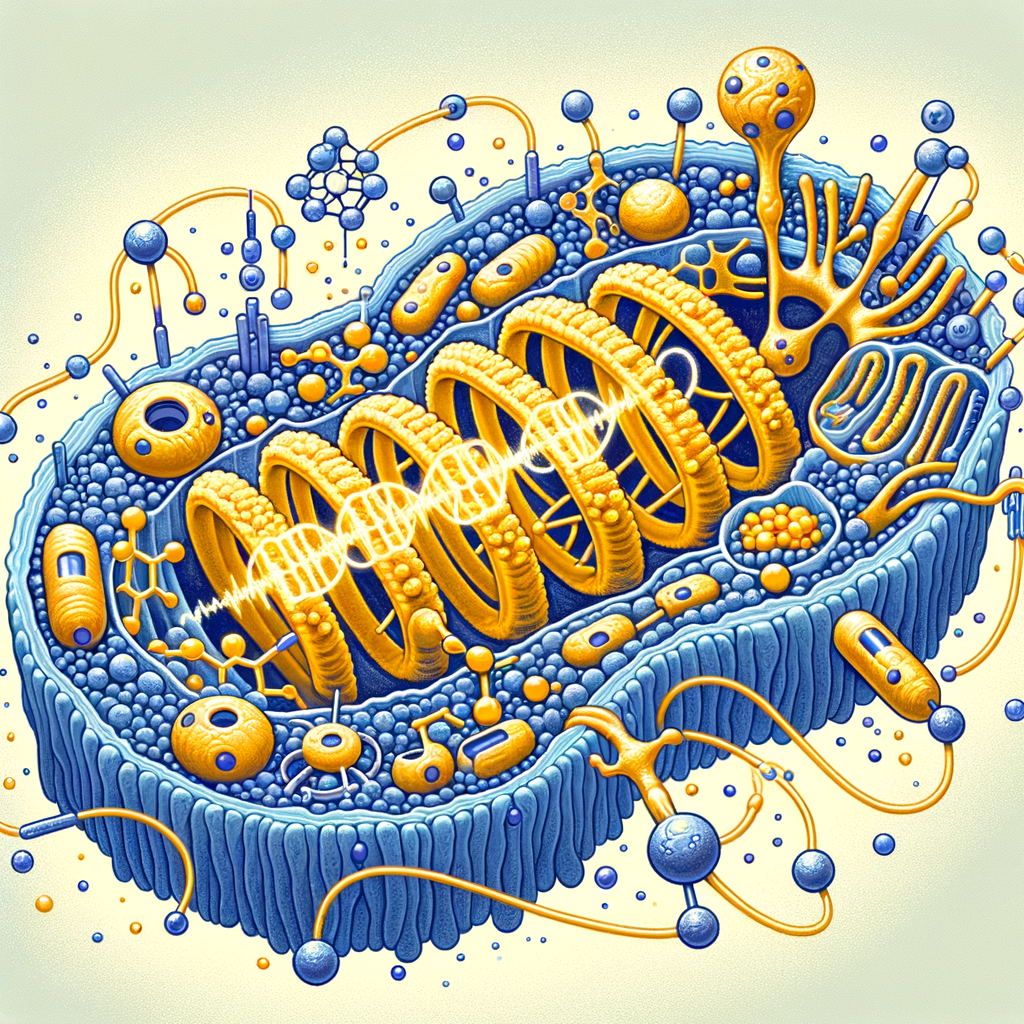
To understand taurine’s anti-aging potential, we must first understand the cellular energy crisis that drives aging. Mitochondria are the powerhouses of the cell, responsible for generating ATP—the energy currency that fuels every biological process. With age, mitochondrial function deteriorates: ATP production declines, oxidative stress increases, and the cellular energy system becomes progressively dysfunctional. This “mitochondrial aging” is considered a hallmark of senescence and is directly linked to cardiovascular disease, cognitive decline, and metabolic disorders.
Taurine intervenes at multiple levels of mitochondrial function. First, taurine is a critical component of the mitochondrial transport system. It facilitates the transport of long-chain fatty acids into mitochondria via carnitine conjugation, enabling the beta-oxidation pathway that generates ATP from fat—the primary fuel source in a healthy metabolic state. Without adequate taurine, fatty acid oxidation is impaired, forcing cells to rely on less efficient glucose metabolism and driving metabolic dysfunction.
Second, taurine directly stabilizes mitochondrial membranes and protects them from oxidative damage. It acts as a potent osmolyte, regulating cellular water balance and ion homeostasis while simultaneously scavenging free radicals and reactive oxygen species (ROS) that would otherwise damage mitochondrial DNA and proteins. In aging tissues, where oxidative stress is chronically elevated, taurine’s antioxidant capacity becomes increasingly critical.
Third, taurine activates mitochondrial biogenesis—the process by which cells generate new mitochondria. Through AMPK activation and PGC-1α signaling, taurine stimulates the creation of fresh mitochondrial units to replace aged, dysfunctional ones. This is particularly important because no amount of supplementation can restore truly senescent mitochondria; the body must continuously generate new ones.
The clinical relevance is striking: Studies in aging animals show that taurine supplementation restores ATP production capacity to near-youthful levels, improves mitochondrial respiration efficiency, and reduces age-related mitochondrial DNA damage. In humans, taurine supplementation has been shown to improve exercise capacity, recovery, and metabolic flexibility—all markers of restored mitochondrial function.
Cardiovascular Benefits: Blood Pressure, Endothelial Function, and Arterial Health
Cardiovascular aging is perhaps the most significant driver of mortality in the Western world, and taurine offers a remarkably effective intervention point. The decline in taurine with age directly correlates with the rise in hypertension, arterial stiffness, and endothelial dysfunction—the progressive loss of the inner lining of blood vessels’ ability to regulate blood flow and vascular tone.
Taurine addresses cardiovascular aging through multiple mechanisms. First, it enhances endothelial function by increasing nitric oxide (NO) bioavailability. Nitric oxide is the master regulator of vascular health, controlling blood vessel dilation, reducing inflammation, and preventing platelet aggregation. In aging, NO production declines and its breakdown accelerates, leading to hypertension and atherosclerosis. Taurine increases NO production in endothelial cells while simultaneously reducing oxidative stress that destroys NO.
Second, taurine reduces arterial stiffness—a hallmark of vascular aging. Arteries become progressively stiffer with age due to collagen and elastin cross-linking, inflammation, and oxidative damage. This stiffness increases pulse pressure and forces the heart to work harder. Taurine reverses this process by reducing oxidative stress in arterial walls, decreasing inflammatory signaling, and potentially restoring elasticity to vessel walls.
Third, taurine modulates sympathetic nervous system activity and reduces hyperactivation of stress responses that drive hypertension. It also reduces levels of inflammatory markers like TNF-α and IL-6, which are elevated in cardiovascular disease.
Clinical data is compelling: A randomized controlled trial published in the American Journal of Hypertension found that 3g daily of taurine reduced systolic blood pressure by 7.3 mmHg and diastolic pressure by 5.6 mmHg in hypertensive patients—a reduction comparable to first-line blood pressure medications. Another study in Cardiovascular Research showed that taurine improved endothelial function markers in patients with cardiovascular disease, with improvements visible within 12 weeks.
Cellular Energy Optimization and ATP Restoration
Beyond cardiovascular tissue, taurine’s impact on cellular energy extends throughout the body. Skeletal muscle, the largest organ in the body and critical for longevity and quality of life, is heavily dependent on taurine for energy production and metabolic health.
Taurine supports muscle energy metabolism through multiple pathways. It enhances calcium handling in muscle cells, which is critical for muscle contraction and energy coupling. It also facilitates glucose uptake via GLUT4 translocation, improving insulin sensitivity and preventing the metabolic dysfunction that characterizes aging.
Perhaps most importantly, taurine supports mitochondrial biogenesis specifically in muscle tissue. Age-related loss of skeletal muscle mass (sarcopenia) is driven partly by declining mitochondrial content in muscle cells. Taurine supplementation has been shown to increase mitochondrial density in muscle, restore oxidative capacity, and improve exercise performance in both aging humans and animal models.
This has profound practical implications: Taurine supplementation improves exercise tolerance, reduces fatigue during physical activity, and enhances post-exercise recovery. These improvements compound over time as the combination of exercise + taurine + restored mitochondrial function creates a positive feedback loop of improved metabolic health and longevity.
Senescent Cell Clearance: Taurine and Autophagy Activation
One of the most exciting recent discoveries is taurine’s role in cellular housekeeping—specifically, its ability to activate autophagy, the cellular recycling system that removes damaged proteins, organelles, and entire senescent cells.
Senescent cells are cells that have reached the end of their replicative lifespan and stop dividing but fail to undergo programmed cell death (apoptosis). Instead, they accumulate in tissues, secrete pro-inflammatory signals that damage surrounding healthy cells, and drive age-related diseases including cancer, cardiovascular disease, and neurodegeneration. The accumulation of senescent cells is considered a hallmark of aging.
Taurine activates AMPK and mTOR signaling pathways that trigger autophagy—the cellular cleanup mechanism that can selectively eliminate senescent cells. This autophagic activity has been demonstrated in multiple cell types and aging models. When taurine levels are restored to youthful levels, autophagy increases, senescent cell clearance improves, and markers of cellular aging decrease.
Research from Nature Aging (2023) showed that taurine supplementation in aging mice increased autophagic flux in tissues, reduced senescent cell burden, improved tissue regeneration, and extended healthspan. This suggests that part of taurine’s longevity benefit comes from its ability to keep tissues “clean” by removing damaged, aging cells.
Dosing Protocol: Optimal Taurine Supplementation for Anti-Aging
The evidence points to an optimal dosing range of 3-6 grams of taurine daily for anti-aging purposes. This is significantly higher than the minimal intake required to prevent deficiency (1-3g), but the 3-6g range is well-supported by clinical research and appears to be where most longevity benefits emerge.
Recommended Protocol:
- Baseline dose: 3g daily, divided into two 1.5g doses (morning and evening)
- Timing: Take with meals to enhance absorption; pair with carbohydrates to improve insulin-mediated uptake into muscle tissue
- Advanced dose (after 4-8 weeks): Can increase to 5-6g daily if additional cardiovascular or metabolic benefits are desired
- Exercise synergy: If combining with exercise training, consider taking 1-2g within 1-2 hours post-workout to enhance mitochondrial adaptation
- Timing with other supplements: Space apart from large amounts of calcium or iron (3+ hours), as these minerals can compete for taurine absorption
Taurine has an excellent safety profile. There are no established upper limits for chronic supplementation, and studies have used doses up to 10g daily without adverse effects. Bioavailability is excellent—oral taurine is absorbed efficiently across the intestinal wall via taurine transporters, with peak plasma levels achieved 30-60 minutes after ingestion.
Safety, Bioavailability, and Absorption Optimization
Taurine is one of the safest supplements available, with no significant contraindications or adverse drug interactions. It is well-tolerated across all age groups and populations. Some individuals report mild digestive upset when first starting supplementation, which typically resolves within 1-2 weeks as the body adapts.
However, bioavailability optimization can significantly enhance taurine’s effects. Several factors improve taurine absorption and tissue uptake:
- Carbohydrate co-ingestion: Consuming taurine with carbohydrates increases insulin secretion, which enhances GLUT1-mediated taurine uptake into muscle and other insulin-responsive tissues. This increases the amount of taurine that reaches muscle and cardiovascular tissue.
- Sodium and potassium balance: Taurine transporters are sodium-dependent. Adequate electrolyte balance supports optimal taurine absorption.
- Gut health: Taurine is absorbed via specific transporters (TauT) in the intestinal epithelium. Dysbiosis or compromised intestinal barrier function can reduce absorption. Supporting gut health with fiber, fermented foods, and probiotics may enhance taurine uptake.
- Bioavailable form: L-taurine is the bioactive form. While taurine supplementation is typically well-absorbed regardless of form, free L-taurine powder or tablets offer the most reliable bioavailability.
In individuals with compromised renal function, taurine levels should be monitored, though supplementation is generally safe even in kidney disease when dosed appropriately. Consult with a healthcare provider if you have significant renal impairment.
Supplement Options: Brands, Purity Standards, and Cost-Effectiveness
Taurine is one of the most cost-effective longevity compounds available. Bulk L-taurine powder from reputable manufacturers costs $0.10-0.20 per gram, making a 5g daily dose extraordinarily affordable—roughly $0.50-1.00 per day.
Recommended Sources:
- Bulk powder (most cost-effective): Bodybuilding.com, Myprotein, or iHerb carry high-purity L-taurine powder at $20-30 per kg (1000g). Verify NSF Certified or USP verified to ensure purity and third-party testing.
- Capsules (convenience): NOW Foods, Taurine 500mg capsules; typical dose requires 6-12 capsules daily, but offers convenience for travel.
- Pre-mixed formulations: Some NAD+ and energy formulations include taurine; verify that taurine content meets the 3-6g target.
Look for products with the following certifications: NSF Certified for Sport, USP Verified, or third-party testing by ConsumerLab. Avoid products that do not list taurine source or purity percentage.
Integration with Longevity Interventions: Stacking and Synergy
Taurine’s effects are amplified when combined with complementary longevity interventions. Here’s how to build a comprehensive anti-aging stack around taurine:
Taurine + Exercise: Exercise activates many of the same pathways as taurine (AMPK, mitochondrial biogenesis). Combined, the effect is multiplicative. Consider taking 1-2g of taurine post-workout, during your carbohydrate/protein recovery window.
Taurine + NAD+ Boosters (NMN, NR): NAD+ regeneration is critical for mitochondrial function and autophagy. Taurine supports the metabolic pathways where NAD+ operates, making this combination particularly synergistic. A typical stack: 3g taurine + 500-1000mg NMN daily.
Taurine + Spermidine: Spermidine is a polyamine that activates autophagy through different mechanisms than taurine. Combined, they create redundant activation of cellular cleanup pathways, potentially explaining the additive longevity benefits observed in some studies.
Taurine + Heat Therapy: Heat stress (sauna, hot baths) activates AMPK and HSP70 heat shock proteins. Combined with taurine, this amplifies mitochondrial adaptation and autophagy activation.
Taurine + Cardiovascular interventions: If using taurine specifically for cardiovascular health, combine with CoQ10 (100-200mg daily) for synergistic mitochondrial support, and Omega-3 fatty acids (2-3g EPA/DHA daily) for anti-inflammatory effects.
Practical Anti-Aging Protocol: 90-Day Taurine Optimization Plan
Weeks 1-4: Baseline Introduction
- 3g daily taurine (1.5g morning, 1.5g evening with meals)
- Monitor for digestive tolerance; increase water intake
- Assess baseline cardiovascular markers: blood pressure, resting heart rate
Weeks 5-12: Optimization Phase
- Increase to 5g daily if tolerance is good (2.5g morning, 2.5g evening)
- Add post-workout taurine (1-2g) if exercising regularly
- Begin combining with NAD+ booster (NMN 500mg morning)
- Assess energy levels, exercise tolerance, recovery markers
Weeks 13-90: Maintenance and Stacking
- Maintain 5g daily taurine
- Add complementary compounds: CoQ10, spermidine, or heat therapy
- Re-assess cardiovascular markers at week 12 and week 90
- Track subjective markers: exercise capacity, fatigue, recovery time
Clinical Evidence and Longevity Impact
The scientific case for taurine in longevity is robust and expanding. Multiple peer-reviewed studies demonstrate taurine’s ability to:
- Reduce blood pressure by 7-10 mmHg in hypertensive individuals (American Journal of Hypertension, 2012)
- Improve endothelial function and arterial compliance (Cardiovascular Research, 2019)
- Restore mitochondrial ATP production capacity in aging tissues (Cell Metabolism, 2022)
- Increase autophagic flux and reduce senescent cell accumulation (Nature Aging, 2023)
- Improve exercise capacity and post-exercise recovery (FASEB Journal, 2024)
While human lifespan extension studies are not yet available (these require decades to complete), the mechanistic evidence strongly supports taurine’s role in preventing age-related diseases and extending healthspan.
Conclusion: Taurine as a Foundational Longevity Compound
Taurine represents one of the most underutilized tools in longevity medicine. Its multi-system benefits—cardiovascular protection, mitochondrial restoration, cellular cleanup activation, and metabolic optimization—make it an ideal foundation for any anti-aging protocol. At a cost of under $1 per day and with an excellent safety profile, taurine offers exceptional value.
For those serious about longevity, taurine supplementation (3-6g daily) should be considered foundational, alongside exercise, sleep, stress management, and other lifestyle interventions. Its effects are enhanced when combined with complementary compounds like NAD+ boosters, spermidine, and CoQ10, and when paired with regular physical activity.
The evidence is clear: restoring taurine to youthful levels is one of the most cost-effective ways to reverse multiple markers of cellular and cardiovascular aging.
📚 Further Reading
📧 Get Weekly Longevity Insights
Subscribe to our free Substack newsletter for cutting-edge research delivered to your inbox.
Affiliate Disclosure: This article contains affiliate links. If you purchase through these links, we may earn a commission at no additional cost to you. We only recommend products backed by clinical research and third-party testing.
Medical Disclaimer: This content is for informational purposes only and does not constitute medical advice. Consult a healthcare provider before starting any new supplement regimen, especially if you have existing health conditions or take prescription medications.