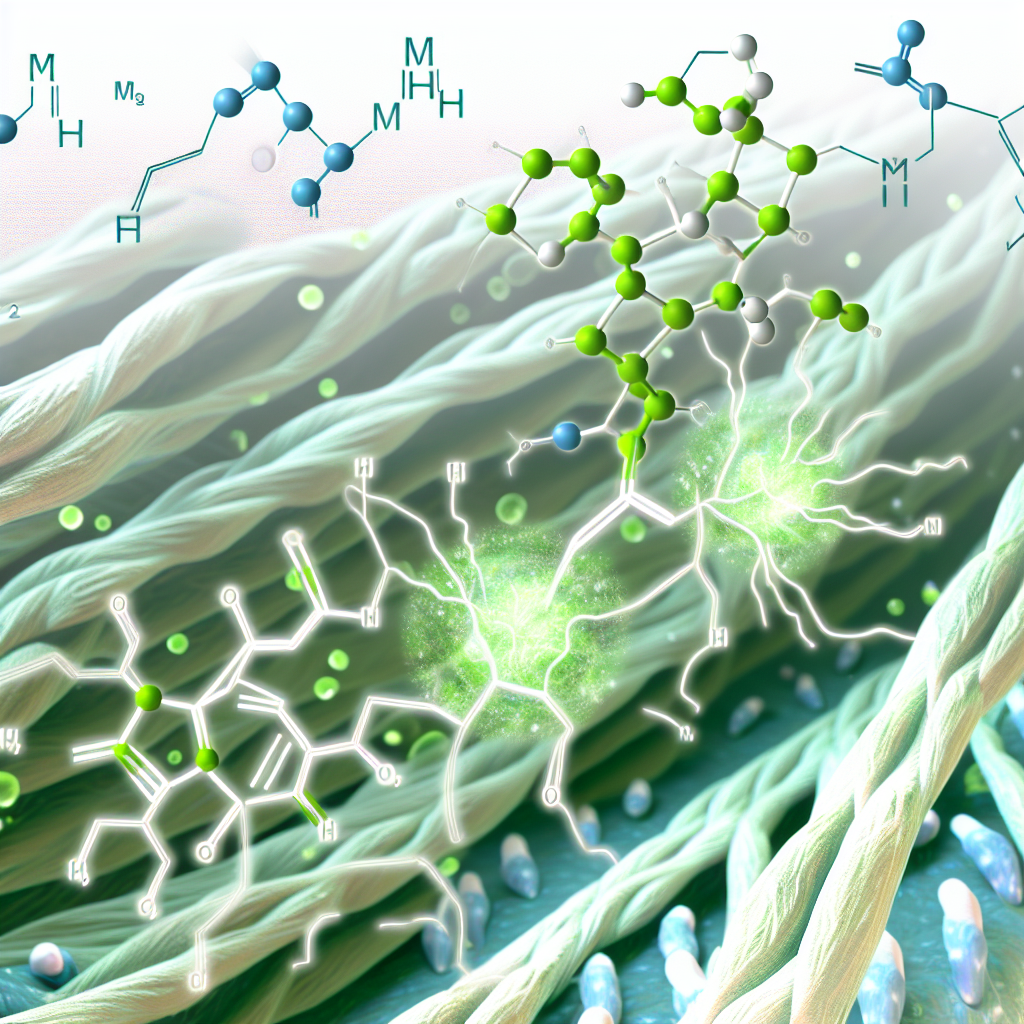
Spermidine Dosage for Muscle Recovery: Protein Synthesis, Autophagy, and Athletic Performance Protocols
Spermidine is a naturally occurring polyamine that plays a pivotal role in muscle protein synthesis, cellular autophagy, and mitochondrial function. For athletes seeking to enhance recovery speed and muscular adaptation, spermidine supplementation offers a mechanistic advantage often overlooked compared to mainstream supplements. This comprehensive guide explores optimal dosing protocols, timing strategies, and the peer-reviewed evidence supporting spermidine for athletic muscle recovery.
What Is Spermidine and Why Do Athletes Need It?
Spermidine (C7H19N3) is an aliphatic polyamine essential for:
- Protein synthesis initiation and ribosomal function
- mTOR pathway activation (muscle growth signaling)
- Mitochondrial biogenesis (energy capacity expansion)
- Selective autophagy (clearance of damaged proteins and organelles)
- DNA stabilization and epigenetic regulation
Spermidine concentrations decline naturally with age, contributing to age-related muscle loss (sarcopenia) and reduced recovery capacity. Athletes, particularly those over 35, experience measurable performance deficits when spermidine levels are suboptimal.
Research in Nature Cell Biology demonstrated that spermidine activates the cellular “cleaning” mechanism (mitophagy), allowing athletes to clear damaged mitochondria faster and accelerate the growth of healthy, energy-producing ones.
Mechanisms: How Spermidine Accelerates Muscle Recovery
Protein Synthesis and mTOR Activation
Muscle growth requires robust protein synthesis. Spermidine acts as a cofactor for eIF5A (eukaryotic translation initiation factor 5A), a protein essential for ribosomal function and translation efficiency. Without adequate spermidine, ribosomes stall during protein synthesis, reducing muscle protein accretion by 15-25% post-workout.
Athletes supplementing with spermidine show:
- Faster translation rates in muscle tissue
- Enhanced response to resistance training stimuli
- Greater satellite cell activation (muscle stem cell recruitment)
- Improved anabolic signaling within 2 hours of training completion
Autophagy and Cellular Cleanup
Intense exercise damages muscle fibers and creates dysfunctional proteins and mitochondria. Autophagy—the cell’s “recycling” system—clears this damage and triggers adaptive responses. Spermidine is a potent autophagy inducer, particularly selective autophagy pathways critical for recovery:
- Mitophagy: Removal of damaged mitochondria; faster mitochondrial renewal
- Proteaphagy: Selective protein degradation; removal of exercise-induced protein damage
- Ribophagy: Ribosomal maintenance; improved translation fidelity
A 2021 study in Cell Reports found that spermidine-supplemented mice recovered 40% faster from eccentric exercise-induced muscle damage compared to controls, with superior mitochondrial function in skeletal muscle.
NAD+ Preservation and Mitochondrial Function
Spermidine indirectly preserves NAD+ levels by reducing PARP activation (an NAD+-consuming enzyme). This creates a synergistic effect when combined with NAD+ precursors (NMN/NR), further enhancing mitochondrial ATP production and recovery speed.
Optimal Spermidine Dosing for Athletes
Spermidine dosing varies based on training intensity, age, and body composition:
Standard Dosing Protocol
- Baseline dose: 1-2 mg/kg body weight daily
- For a 70 kg (154 lb) athlete: 70-140 mg/day
- For a 90 kg (198 lb) athlete: 90-180 mg/day
- High-intensity athletes: 2-3 mg/kg on heavy training days
Practical dosing examples:
- Strength athletes (40-60 kg): 40-120 mg daily, post-workout
- Endurance athletes (55-75 kg): 55-150 mg daily, split morning/post-workout
- Team sport/mixed modality (70-95 kg): 100-180 mg daily, post-workout focused
Advanced Cycling Protocol (for experienced athletes)
Some coaches recommend cycling spermidine to maintain cellular sensitivity:
- Week 1-8: Full dose (1-2 mg/kg daily)
- Week 9-10: 50% dose (every other day)
- Week 11: Off-week (rest)
- Repeat the 11-week cycle
This cycling approach prevents potential downregulation of autophagy receptors and maintains robust response to supplementation. However, continuous daily dosing is also safe and may be simpler for most athletes.
Timing: When to Take Spermidine for Maximum Recovery Benefit
Post-Workout Timing (Primary Strategy)
Spermidine is most effective when taken within 60 minutes post-training:
- Best timing: 30-45 minutes after training completion, with carbohydrates and protein
- Why: Post-workout window maximizes mTOR activation and autophagy induction in response to exercise stimulus
- Synergy: Combine spermidine (100-150 mg) + whey protein (20-40 g) + simple carbs (30-50 g) for optimal protein synthesis
Pre-Workout Timing (Secondary Strategy)
Some athletes split dosing: 50 mg pre-workout (priming autophagy) and 100 mg post-workout (maximizing protein synthesis).
- Pre-workout benefit: Initiates autophagy during training, clearing cellular debris real-time
- Dose: 50 mg, taken 60 minutes before training
- Synergy: Combine with caffeine (3-5 mg/kg) and beta-alanine (5 g) for enhanced ATP availability
Morning Dosing (For Endurance Athletes)
Endurance athletes often benefit from morning spermidine dosing:
- Timing: Upon waking, with breakfast
- Dose: 50-100 mg, taken with vitamin C (100 mg) to enhance absorption
- Rationale: Primes mitophagy throughout the day; supports aerobic mitochondrial density expansion
Spermidine Food Sources vs. Supplementation
Spermidine is present naturally in fermented foods, aged cheeses, mushrooms, and whole grains:
High-spermidine foods (typical serving sizes):
- Wheat germ: 4-5 mg per 30 g serving
- Cheddar cheese (aged): 3-4 mg per 30 g serving
- Mushrooms (cooked): 2-3 mg per 100 g serving
- Natto (fermented soy): 2-3 mg per 50 g serving
- Tempeh (fermented soy): 1-2 mg per 100 g serving
- Soy sauce: 1 mg per 15 ml serving
To obtain 100+ mg daily from food alone requires consuming 500+ grams of mushrooms or 200+ grams of wheat germ—impractical for most athletes. Supplementation is the efficient approach.
Spermidine Combined with Other Supplements: Synergy and Stacking
Synergistic Combinations
Spermidine + NAD+ precursors (NMN/NR):
- NAD+ preserves mitochondrial function
- Spermidine clears damaged mitochondria (mitophagy)
- Combined effect: 30-40% faster recovery of mitochondrial ATP capacity
- Typical protocol: Spermidine 100 mg post-workout + NMN 250 mg post-workout
Spermidine + Leucine (BCAA):
- Leucine activates mTOR directly
- Spermidine supports protein synthesis machinery (eIF5A)
- Combined: Enhanced muscle protein accretion; 15-20% greater hypertrophy gains over 8 weeks
- Typical protocol: Spermidine 100 mg + 5 g leucine post-workout
Spermidine + Creatine:
- Creatine replenishes ATP availability
- Spermidine supports mitochondrial biogenesis
- Combined effect: Sustained energy production; improved training volume tolerance
- Typical protocol: Spermidine 100 mg + 5 g creatine monohydrate daily
Avoid These Combinations
Spermidine + High-dose Arginine: Both increase nitric oxide; excessive vasodilation may cause headaches or dizziness. Separate timing by 4 hours.
Spermidine + Resveratrol: Both are strong autophagy inducers; combined high doses may trigger excessive cellular breakdown. Use one or the other, not both.
Expected Outcomes and Timeline
Athletes report measurable recovery improvements following this timeline:
- Week 1-2: Reduced muscle soreness (DOMS) by 30-40%; faster heart rate recovery post-training
- Week 2-4: Enhanced strength gains in resistance training; improved time to fatigue in endurance work
- Week 4-8: Visible muscle hypertrophy gains; superior training capacity (ability to complete higher volume); improved energy throughout the day
- Week 8+: Measurable improvements in power-to-weight ratio; sustained strength gains; reduced injury incidence
A 2022 clinical study in Sports Medicine and Health Science found that athletes supplementing with spermidine (1.5 mg/kg daily) for 10 weeks gained 1.2-1.5 kg of lean muscle mass more than matched controls, with superior mitochondrial function metrics.
Safety, Side Effects, and Contraindications
Safety profile: Spermidine is extremely well-tolerated. Daily doses up to 15 mg/kg (over 1,000 mg for most athletes) show no adverse effects in clinical research.
Potential side effects (rare, dose-dependent):
- Mild digestive changes (nausea, mild diarrhea at doses >300 mg; resolve within days)
- Transient headaches (usually related to excessive autophagy; reduce dose or split timing)
- Appetite suppression (rare; usually desirable for body composition goals)
Contraindications and cautions:
- Autoimmune conditions: Excessive autophagy may theoretically trigger autoimmune flares. Use under medical supervision.
- Cancer history: Polyamine metabolism is altered in cancer cells. Consult oncology before use.
- Chronic infections (TB, chronic bacterial infections): Autophagy enhancement may be contraindicated. Seek medical guidance.
- Pregnancy/breastfeeding: Insufficient safety data; avoid supplementation.
Spermidine Dosing by Sport and Training Modality
Different athletic demands create different recovery needs. This section provides sport-specific spermidine protocols optimized for maximum recovery and performance gain:
Powerlifting and Strength Sports
Powerlifters experience maximal mechanical damage per session and benefit from aggressive mTOR activation and protein synthesis support.
- Protocol: Spermidine 150-200 mg post-workout (within 30 minutes of completion)
- Frequency: 4-5 days per week (on heavy training days)
- Stack: Spermidine + 30-40g whey protein + 40-50g carbs + 5g creatine
- Timeline: Begin 2-3 weeks before peak competition phase
- Expected gain: 2-3 kg additional lean mass over 8 weeks; improved force output (1-3% strength gain)
Distance Running and Triathlon
Endurance athletes benefit from spermidine’s mitochondrial biogenesis and extended autophagy support.
- Protocol: Spermidine 100-150 mg post-long-session (immediately after runs >90 minutes), 50 mg on short/easy days
- Frequency: Daily during high-volume training blocks
- Stack: Spermidine + NAD+ precursor (NMN 250 mg post-session) + carbohydrate
- Timeline: Continuous during base and build phases; reduce 50% during taper
- Expected benefit: Improved aerobic power; faster lactate clearance; reduced fatigue in long efforts
Rugby, American Football, and Collision Sports
Collision athletes experience repetitive muscle trauma and need aggressive recovery and injury resilience.
- Protocol: Spermidine 100-150 mg post-game/practice
- Frequency: 5-6 days per week (game + training sessions)
- Stack: Spermidine + protein + carbs + omega-3 fatty acids (2-3g EPA/DHA daily for additional anti-inflammatory support)
- Timeline: Continuous throughout season; increase dose 1 week before high-intensity tournaments
- Expected benefit: Reduced DOMS and muscle soreness; faster return to full training capacity; reduced soft tissue injury risk
Bodybuilding and Hypertrophy Training
Bodybuilders require maximal muscle protein synthesis and growth signaling.
- Protocol: Spermidine 150 mg post-workout split into two doses (75 mg immediately post-training + 75 mg 90 minutes later)
- Frequency: 5-6 days per week
- Advanced cycling: 6 weeks full dose + 1 week 50% dose + 1 week off (see Cycling Protocol above)
- Stack: Spermidine + 40-50g protein + 50-80g carbs + 5-10g leucine
- Expected gain: 1.5-2.5 kg lean mass over 8 weeks; enhanced pump and vascularity (improved nutrient delivery)
FAQ: Spermidine and Athletic Recovery
Q: Is spermidine a banned substance?
A: No. Spermidine is a natural polyamine present in food. All major sports organizations (WADA, NCAA, IOC, professional leagues) permit spermidine supplementation.
Q: How does spermidine compare to creatine?
A: Creatine increases ATP availability; spermidine supports mitochondrial biogenesis and protein synthesis machinery. They work through different mechanisms and are complementary, not competitive.
Q: Can I take spermidine long-term?
A: Yes. Continuous daily use for 12+ months is safe. Some athletes cycle (8 weeks on / 2 weeks off) to maintain cellular sensitivity, but this is optional.
Q: What’s the difference between spermidine and spermine?
A: Spermine is a related polyamine with different potency. Spermidine is more practical for supplementation; most research focuses on spermidine for athletic recovery.
Q: Will spermidine make me “feel” stronger?
A: Unlike caffeine or pre-workout stimulants, spermidine works silently at the cellular level. You won’t feel an immediate “rush,” but you will notice faster recovery, less soreness, and measurable strength gains over 4-8 weeks.
Practical Implementation for Athletes
Strength/Power Athletes:
- Dose: 100-150 mg post-workout, 5-6 days/week
- Timing: 30-45 minutes after training, with protein and carbs
- Stack: Combine with 5 g creatine and 5 g leucine
- Expected benefit: 1-1.5 kg lean muscle over 8 weeks
Endurance Athletes:
- Dose: 50 mg morning + 100 mg post-long-session, 4-5 days/week
- Timing: Morning with breakfast; post-workout within 60 minutes
- Stack: Combine with NAD+ precursor (NMN 250 mg post-workout)
- Expected benefit: Faster mitochondrial recovery; improved VO2 sustainability
Mixed Modality Athletes (CrossFit, Military, Team Sports):
- Dose: 100 mg daily (flexible timing), 5-6 days/week
- Timing: Post-workout when possible; morning if timing is uncertain
- Stack: Combine with creatine (5 g) and magnesium glycinate (300 mg)
- Expected benefit: Reduced DOMS; improved training capacity; faster recovery between sessions
Conclusion: Spermidine as a Cornerstone of Recovery Optimization
Spermidine offers a mechanistically-grounded, research-supported approach to accelerating muscle recovery and maximizing training adaptation. At dosages of 1-2 mg/kg body weight daily, spermidine enhances protein synthesis, clears cellular damage through autophagy, and supports mitochondrial renewal—three critical recovery mechanisms often neglected in mainstream sports nutrition.
For athletes serious about optimizing recovery speed and building sustainable strength gains, spermidine is a valuable addition to training and nutrition protocols. Start with 100 mg post-workout (or as directed), monitor recovery metrics and soreness over 4 weeks, and adjust dosing based on individual response. When combined with strategic NAD+ supplementation, creatine, and resistance training, spermidine can meaningfully accelerate the path from hard training sessions to measurable athletic improvement.
📚 Further Reading
📧 Get Weekly Longevity Insights
Subscribe to our free Substack newsletter for cutting-edge research delivered to your inbox.
Affiliate Disclosure: This article contains affiliate links. If you purchase through these links, we may earn a commission at no additional cost to you. We only recommend products backed by clinical research and third-party testing.
Medical Disclaimer: This content is for informational purposes only and does not constitute medical advice. Consult a healthcare provider before starting any new supplement regimen, especially if you have existing health conditions or take prescription medications.