Senolytics: How to Clear Senescent Cells and Slow Cellular Aging
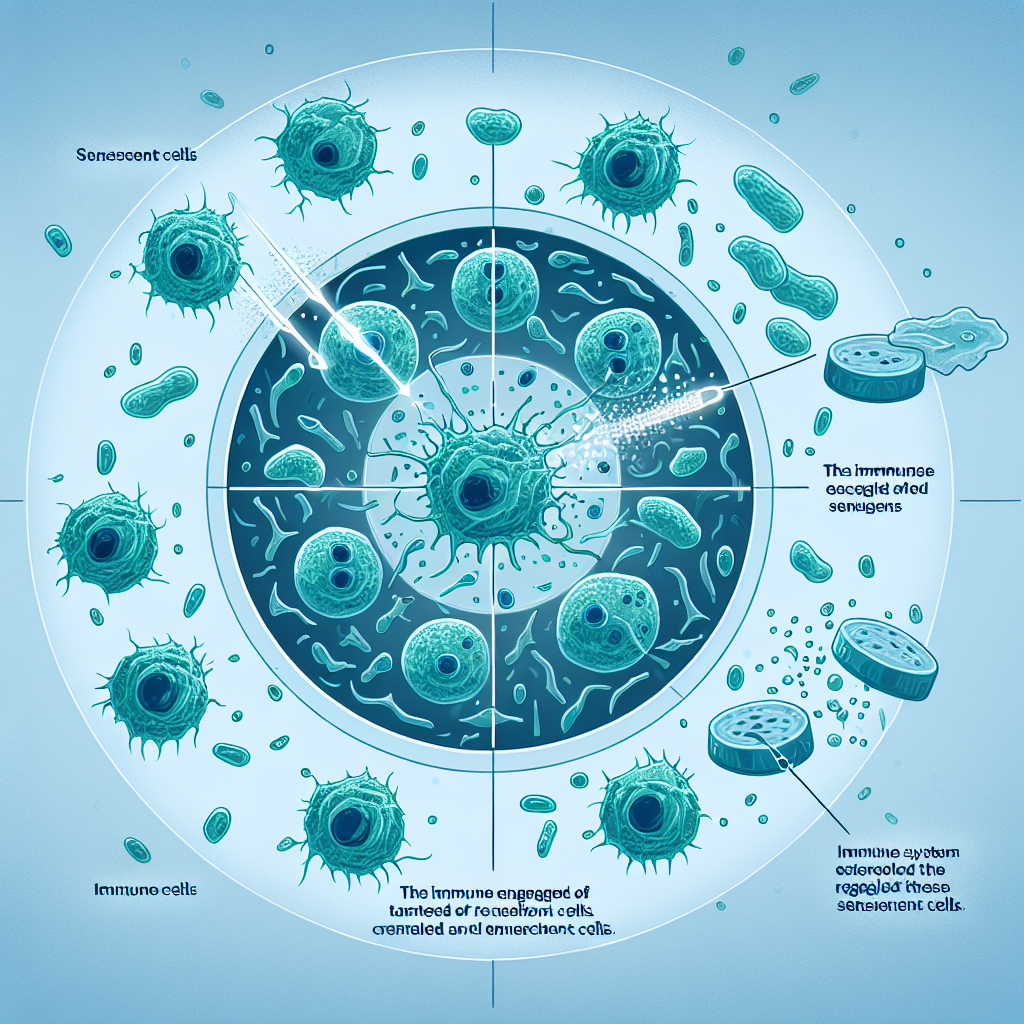
Imagine a population of cells in your body that have stopped dividing but refuse to die. They don’t contribute to tissue function, yet they persist indefinitely, releasing inflammatory molecules that damage surrounding healthy cells. These are senescent cells—the “zombie cells” of aging biology—and they’re one of the primary drivers of age-related disease.
Senescent cells accumulate progressively throughout life. By age 70, up to 15% of cells in certain tissues are senescent. They promote inflammation, tissue dysfunction, and acceleration of virtually every age-related condition from joint pain to cognitive decline. The emerging solution is senolytics: compounds that selectively eliminate senescent cells while leaving healthy cells intact.
Unlike traditional anti-aging interventions that slow cellular damage, senolytics represent a fundamentally new approach: cleaning up the cellular debris that drives aging. The evidence is compelling, and the first human trials show remarkable promise.
What Are Senescent Cells?
Senescence is a state of permanent growth arrest triggered by cellular stress. When cells detect damage they cannot repair—DNA damage, telomere shortening, oxidative stress—they enter senescence as a protective mechanism. This is beneficial in the short term: a senescent cell cannot divide and become cancerous.
But senescent cells have a dark side. Rather than dying through apoptosis (programmed cell death), they persist indefinitely, releasing a cocktail of inflammatory cytokines:
- IL-6 and IL-8 (interleukins that amplify inflammation)
- TNF-α (tumor necrosis factor, implicated in tissue damage)
- VEGF (vascular endothelial growth factor, promotes pathological angiogenesis)
- MCP-1 (monocyte chemoattractant protein, recruits immune cells)
This secretory profile is called SASP (Senescence-Associated Secretory Phenotype). It creates a vicious cycle: senescent cells cause chronic inflammation, which accelerates senescence in neighboring cells, amplifying SASP and tissue damage.
Research published in Nature (2015) demonstrated that clearing senescent cells from transgenic mice improved cardiac function and extended healthspan. More remarkably, the effect was observed even when senescent cells were cleared later in life, suggesting that removing senescent cells can reverse age-related dysfunction.
Why Senescent Cells Accumulate
Multiple factors drive senescent cell accumulation:
| Driver | Mechanism | Clinical Relevance |
|---|---|---|
| Telomere shortening | Repeated cell division eventually depletes telomeres, triggering senescence | Occurs in high-turnover tissues (immune, bone, muscle) |
| Oxidative stress | Excessive ROS damages DNA, activating p53 (senescence trigger) | Poor diet, sedentary lifestyle, chronic inflammation amplify ROS |
| DNA damage | Unrepaired breaks (from radiation, aging) trigger p21/p16 senescence genes | Age-related decline in DNA repair capacity increases senescence risk |
| Mitochondrial dysfunction | Damaged mitochondria cannot produce sufficient ATP, triggering senescence | Accumulates with age, worse in sedentary individuals |
| Chronic inflammation | Elevated IL-6, TNF-α activate senescence in adjacent healthy cells | Creates feedback loop: more senescent cells → more inflammation |
| Pathogenic stress (viral, bacterial) | Some pathogens force cells into senescence as immune defense mechanism | COVID-19, for example, appears to accelerate senescence accumulation |
The accumulation accelerates exponentially with age. A 30-year-old may have negligible senescent cells; by 70, the burden becomes significant, particularly in joint cartilage, skin, and adipose tissue.
Senolytic Compounds: The Science
Senolytics work by exploiting a unique vulnerability of senescent cells: they upregulate anti-apoptotic proteins to survive longer than normal cells. By blocking these survival pathways, senolytics can selectively trigger death in senescent cells while sparing healthy cells.
Key Senolytics Currently Studied
| Compound | Mechanism | Evidence Level | Typical Dose |
|---|---|---|---|
| Dasatinib | Tyrosine kinase inhibitor; triggers apoptosis in senescent cells | Clinical trial ongoing (Mayo Clinic) | 100 mg (prescription only) |
| Quercetin | Flavonoid; inhibits kinases supporting senescent cell survival | Preclinical + preliminary human data | 500–1,500 mg/day (oral supplement) |
| Fisetin | Flavonol; inhibits HSP90, blocks senescent cell survival | Preclinical + early human studies | 100–500 mg/day (oral supplement) |
| Geldanamycin | HSP90 inhibitor; research compound | Preclinical only | Not available as supplement |
| Navitoclax | BCL-2 inhibitor; triggers senescent cell death | Preclinical; testing in humans (2024+) | Prescription (under investigation) |
Why Quercetin + Dasatinib Works Best
Research shows that combining quercetin with dasatinib produces synergistic senolytic effects. Quercetin alone shows modest senolytic activity, but when combined with dasatinib (a tyrosine kinase inhibitor), the combination eliminates 50–90% of senescent cells in laboratory studies.
The mechanism: quercetin acts as a “sensitizer,” making senescent cells more vulnerable to dasatinib’s apoptotic trigger. This combination is the basis of the Mayo Clinic’s ongoing senolytic clinical trial.
The Senescent Cell Burden: Tissue-Specific Accumulation
Senescent cells don’t accumulate uniformly across the body. Different tissues accumulate senescent cells at different rates and with different consequences:
Joint Tissue and Osteoarthritis
Cartilage shows one of the highest senescent cell burdens in aging humans. Senescent chondrocytes (cartilage cells) produce inflammatory cytokines that damage the extracellular matrix, accelerating cartilage degradation. This is a primary mechanism of osteoarthritis progression. Clearing senescent cells from arthritic cartilage shows promise in preclinical models, with a Mayo Clinic trial currently testing fisetin-based senolytics in OA patients.
Adipose Tissue and Metabolic Dysfunction
Fat tissue accumulates senescent cells with age, and these cells drive insulin resistance and chronic inflammation. Senescent adipocytes have significantly elevated SASP, contributing to systemic metabolic dysfunction. Studies show that clearing senescent cells from adipose tissue improves insulin sensitivity and metabolic parameters. This may explain why senolytic therapy shows promise in metabolic disease reversal.
Skin and Wound Healing Impairment
Dermal fibroblasts accumulate senescent cells with age, contributing to wrinkles, impaired wound healing, and compromised skin barrier function. The SASP from senescent fibroblasts drives matrix metalloproteinase expression, leading to collagen breakdown. Preclinical work suggests that senolytic therapy could improve skin aging and wound healing capacity.
Vasculature and Vascular Aging
Endothelial cells and vascular smooth muscle cells accumulate senescence with age, driving vascular dysfunction and atherosclerosis progression. Senescent vascular cells produce high levels of VEGF and other pro-inflammatory mediators that promote pathological vascular remodeling. Removing senescent vascular cells reverses endothelial dysfunction in animal models.
Evidence from Human Studies
Pilot Study Results (Mayo Clinic, 2019)
The first published human senolytic trial demonstrated remarkable findings. Fourteen subjects with idiopathic pulmonary fibrosis received dasatinib + quercetin for 10 days. Results:
- Physical function: 6-minute walk distance improved by average 43 meters (clinically significant)
- Inflammation markers: TNF-α and IL-6 decreased substantially
- Gait speed: Average walking speed increased
- Safety: Well-tolerated; no serious adverse events
Published in EBioMedicine (2019), this pilot suggested that a single 10-day course of senolytics produced measurable improvements in aging-related physical function.
Ongoing Trials (2024)
Multiple clinical trials are now underway testing senolytics in:
- Chronic kidney disease: Mayo Clinic (dasatinib + quercetin)
- Osteoarthritis: Mayo Clinic & Scripps Research (fisetin)
- Post-COVID fatigue: Multiple centers (quercetin combinations)
- Vascular aging: Research centers (navitoclax)
Natural Senolytic Strategies
While prescription senolytics remain in clinical development, several evidence-backed approaches reduce senescent cell burden:
1. Flavonoid-Rich Diet
Quercetin, fisetin, and other flavonoids show senolytic activity. Food sources:
- Quercetin: Onions, apples, berries, capers, red wine
- Fisetin: Strawberries, apples, persimmons, kiwis
- Kaempferol: Kale, broccoli, spinach
Eating 2–3 servings of flavonoid-rich fruits/vegetables daily may modestly reduce senescent cell accumulation. A 2022 study in Aging Cell linked high polyphenol intake to lower senescent cell markers.
2. Exercise
Physical activity is one of the most powerful senolytic interventions. A study in Aging Cell (2020) found that regular exercise reduced p16 (a senescent cell marker) by ~30% in older adults, independent of weight loss.
Optimal protocol:
- Aerobic exercise: 150 minutes/week moderate intensity
- Resistance training: 2–3 sessions/week (especially effective for muscle senescent cells)
- High-intensity interval training: 1–2 sessions/week (strongest effect on systemic senescence)
3. Caloric Restriction and Fasting
Short-term fasting activates autophagy, the cellular “cleanup” process that removes senescent cell remnants. A 2021 study found that intermittent fasting reduced senescent cell markers in metabolic tissues.
Effective approaches:
- 16/8 intermittent fasting: Daily 16-hour fasts, 8-hour eating window
- 5:2 diet: Moderate caloric restriction 2 days/week
- Extended fasting: 24–72-hour fasts once monthly (requires medical supervision)
4. Stress Reduction
Chronic stress accelerates senescence. A 2019 study showed that high perceived stress correlated with elevated senescent cell markers. Effective stress-reduction practices:
- Meditation: 10–20 minutes daily reduced p16 markers
- Sleep optimization: 7–9 hours nightly reduces stress-induced senescence
- Social connection: Strong social networks associated with lower senescent cell burden
Senolytic Dosing Protocol (Natural Compounds)
| Compound | Dose | Frequency | Notes |
|---|---|---|---|
| Quercetin | 500–1,000 mg | Daily, with meals | Enhanced absorption with fat; some take cyclically (5 days on, 2 off) |
| Fisetin | 100–200 mg | Daily, with meals | Emerging senolytic; less research than quercetin but promising |
| Strawberries (fisetin-rich) | 150–200g (1–1.5 cups) | Daily | Natural source; synergizes with other senolytics |
| Exercise (synergistic) | 30–45 min | 3–4x per week | Most powerful senolytic lever; combine with compounds |
| Intermittent fasting | 16/8 protocol | Daily or 3–4x per week | Synergizes with quercetin; activates autophagy |
Safety Considerations
Natural senolytics show excellent safety profiles, but important caveats exist:
- Quercetin: May interact with blood thinners (warfarin); modest absorption without optimization
- Dasatinib (prescription): Requires medical supervision; can cause low platelet counts and other side effects
- Fisetin: Very limited human data; monitor for interactions
- Intensive fasting: Not appropriate for diabetics, pregnant women, or those with eating disorders
Consult a healthcare provider before combining senolytics with medications or starting intensive fasting protocols.
FAQ
How many senescent cells do I have right now?
There’s no standard test for senescent cells in living people yet. Research estimates that by age 60–70, 10–15% of cells in certain tissues are senescent. Biomarkers like p16 and p21 levels in blood provide indirect estimates, but these tests are primarily research tools currently.
Can I reverse the effects of senescent cell accumulation?
Yes, at least partially. The Mayo Clinic pilot study showed that clearing senescent cells improved physical function in older adults. The earlier senescent cells are cleared (during middle age), the greater the preventive benefit, but evidence suggests benefits are possible even at advanced ages.
How long does it take for senolytics to work?
The Mayo Clinic trial used a single 10-day course of dasatinib + quercetin and saw measurable benefits. Natural senolytics likely require longer, perhaps 4–8 weeks of consistent use to see effects. Lifestyle changes (exercise, fasting) show results within 2–4 weeks on senescent cell markers.
Are senolytics the same as senomorphics?
No. Senolytics kill senescent cells. Senomorphics (like rapamycin) reduce senescent cell proliferation and SASP secretion without killing the cells. Both approaches show promise; they may work synergistically.
Should I use prescription senolytics or natural compounds?
This depends on availability and health status. Dasatinib + quercetin shows stronger evidence but requires a doctor and access to the trial. Natural senolytics (quercetin, fisetin, exercise, fasting) are safe, accessible, and show growing evidence. A reasonable approach: start with natural interventions, then explore prescription options if available through clinical trials.
Can senolytics prevent cancer?
This is an open question. Senescent cells sometimes protect against cancer by preventing malignant transformation. Clearing too many senescent cells too aggressively could theoretically increase cancer risk, though evidence is limited. Current senolytics are designed to avoid this risk, but long-term safety monitoring is ongoing.
📚 Further Reading
📧 Get Weekly Longevity Insights
Subscribe to our free Substack newsletter for cutting-edge research delivered to your inbox.
Affiliate Disclosure: This article contains affiliate links. If you purchase through these links, we may earn a commission at no additional cost to you. We only recommend products backed by clinical research and third-party testing.
Medical Disclaimer: This content is for informational purposes only and does not constitute medical advice. Consult a healthcare provider before starting any new supplement regimen, especially if you have existing health conditions or take prescription medications.