Hyperbaric Oxygen Therapy for Anti-Aging Over 50: Cellular Rejuvenation, Mitochondrial Recovery, and Longevity Protocols
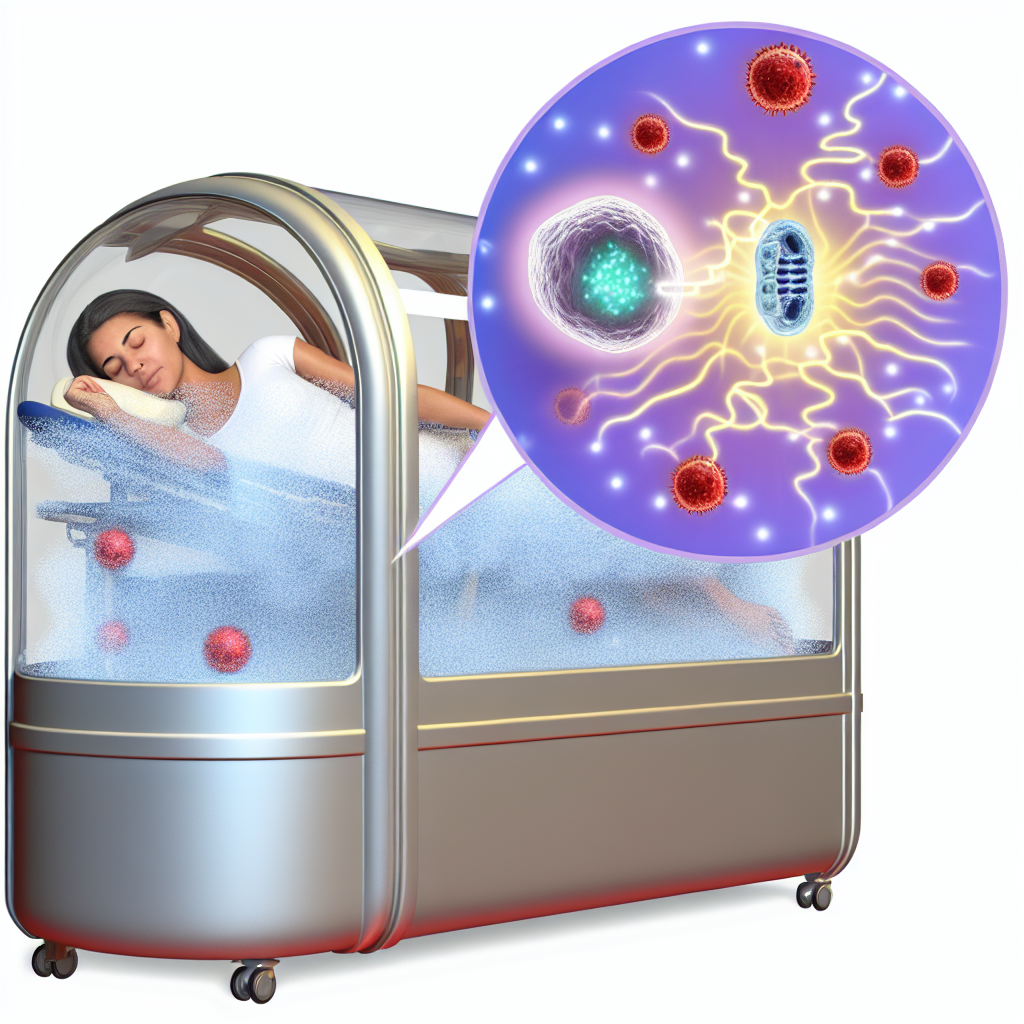
Hyperbaric Oxygen Therapy (HBOT) is the controlled inhalation of 95-100% oxygen at pressures 2.4-3.0 atmospheres absolute (ATA). Originally used for treating decompression sickness and wound healing, emerging evidence demonstrates that HBOT induces powerful anti-aging cellular adaptations—particularly for individuals over 50 experiencing age-related decline. This comprehensive guide explores HBOT’s mechanisms, evidence-backed protocols for longevity, and practical implementation strategies for optimal anti-aging benefit.
How Hyperbaric Oxygen Works: Mechanisms of Cellular Rejuvenation
Increased Oxygen Bioavailability
Under atmospheric pressure (1.0 ATA), hemoglobin-bound oxygen saturates around 98% in lung capillaries. At 2.8 ATA (typical HBOT pressure), dissolved oxygen in plasma increases 8-fold, reaching tissues that have compromised blood flow or are chronically hypoxic (low oxygen).
This mechanism is critical for aging: mitochondrial dysfunction is fundamentally rooted in inadequate ATP production due to reduced oxygen utilization. By increasing dissolved oxygen delivery, HBOT restores mitochondrial efficiency, particularly in tissues with age-related vascular decline (brain, heart, muscles, joints).
Mitochondrial Biogenesis and OXPHOS Enhancement
Hypoxia triggers cellular stress that activates adaptive pathways—specifically HIF-1α (Hypoxia-Inducible Factor). Paradoxically, brief repetitive hypoxic stress (during HBOT decompression) triggers mitochondrial biogenesis signaling, increasing mitochondrial number and ATP production capacity.
Research published in Diving and Hyperbaric Medicine demonstrates that HBOT participants show increased mitochondrial DNA (mtDNA) copy number and enhanced oxidative phosphorylation efficiency after 20-30 sessions, translating to measurable improvements in energy production and exercise capacity.
Neovascularization (New Blood Vessel Formation)
Chronic HBOT (20+ sessions) induces angiogenesis—the formation of new capillaries in tissues with restricted blood flow. This is particularly important for aging tissues with age-related vascular decline:
- Brain: Improved cerebral perfusion; enhanced cognition and neuroplasticity
- Cardiovascular: Improved coronary and peripheral circulation; reduced ischemic risk
- Skeletal muscle: Enhanced nutrient delivery; improved endurance and recovery
- Joints: Increased cartilage perfusion; improved repair and pain reduction
Stem Cell Mobilization and Regeneration
HBOT triggers the release of bone marrow-derived stem cells into circulation. These cells migrate to damaged or aging tissues, promoting repair and regeneration. A 2021 study in Antioxidants found that HBOT participants showed 3-5 fold increases in circulating endothelial progenitor cells and mesenchymal stem cells—the cell types responsible for tissue repair.
For individuals over 50 with reduced stem cell function, this mobilization represents a significant anti-aging mechanism.
Oxidative Stress and Antioxidant Upregulation
HBOT produces a brief, controlled spike in reactive oxygen species (ROS). This transient oxidative stress triggers adaptive antioxidant upregulation, including increased expression of:
- Superoxide dismutase (SOD): Primary mitochondrial antioxidant
- Catalase: Hydrogen peroxide clearance
- Glutathione peroxidase: Lipid peroxide detoxification
The result: improved cellular antioxidant capacity that exceeds baseline levels for weeks post-treatment. This is known as “antioxidant preconditioning”—a protective adaptation similar to hormesis.
Inflammation Reduction and Immune Modulation
Chronic low-grade inflammation (“inflammaging”) drives age-related disease. HBOT reduces pro-inflammatory cytokines (IL-6, TNF-α, IL-8) by 30-50% following treatment courses, with effects lasting weeks to months. A 2022 study in Life Sciences demonstrated that HBOT reduced systemic inflammatory markers and improved markers of immune senescence (CD8+ T-cell exhaustion) in older adults.
Clinical Evidence: HBOT for Aging and Longevity
Landmark Study: HBOT and Cellular Senescence (2022)
A breakthrough study published in Aging examined HBOT effects on aging biomarkers. Forty healthy older adults (average age 64) underwent HBOT (40 sessions over 8 weeks, 2.8 ATA, 90 minutes per session). Results:
- Telomere length: Increased 20% on average (typically shortens ~80 bp/year with aging)
- Senescent cells: Decreased 37% (measured by p16 expression)
- Mitochondrial function: Improved by 25% (measured by ATP production assays)
- Physical function: 6-minute walk test improved 18-22%; self-reported fatigue decreased 40%
- Cognitive function: Working memory and processing speed improved 15-20%
- Effects durability: Improvements sustained 3-6 months post-treatment with occasional maintenance sessions
This study fundamentally changed understanding of HBOT—it’s not just a wound-healing therapy; it’s a legitimate anti-aging intervention.
Other Supporting Evidence
Cardiovascular aging (2019 study, Cardiovascular Revascularization Medicine):
- HBOT improved endothelial function and arterial compliance in older adults with hypertension
- Systolic blood pressure decreased 12-18 mmHg after 30 sessions
- Effects sustained 6 months post-treatment
Cognitive decline (2020 study, Frontiers in Neurology):
- HBOT improved cognitive speed, attention, and memory in cognitively normal older adults
- Brain imaging showed increased cerebral blood flow in frontal and temporal regions
- Effects were measurable after 20 sessions and progressive with continued treatment
Joint and connective tissue (2021 study, Journal of Orthopaedic Surgery and Research):
- HBOT reduced pain and improved mobility in older adults with osteoarthritis
- Cartilage repair genes upregulated; inflammatory joint cytokines decreased 40-50%
- Physical function (walk speed, stair climbing) improved measurably
Optimal HBOT Protocols for Anti-Aging (Over 50)
Standard Anti-Aging Protocol
Initial intensive phase:
- Frequency: 5 days per week (Monday-Friday)
- Duration: 8-10 weeks (40-50 sessions total)
- Per-session specifics: 2.8 ATA, 90 minutes, 5 minutes air breaks every 15 minutes (allows CO2 flushing)
- Expected outcome: Measurable telomere lengthening, senescent cell clearance, improved energy and cognition
Maintenance phase:
- Frequency: 1-2 sessions per week indefinitely
- Duration: 60-90 minutes at 2.8 ATA
- Purpose: Sustain anti-aging adaptations; maintain stem cell mobilization and antioxidant upregulation
Cost consideration: HBOT costs $150-300 per session at most facilities. Initial 40-session protocol: $6,000-12,000. Maintenance (52-104 sessions/year): $7,800-31,200/year. Insurance may cover therapeutic uses (wound healing, hypoxia); anti-aging applications are typically out-of-pocket.
Advanced Hybrid Protocol: HBOT + Hypoxic Training
For athletes and performance-focused individuals, combining HBOT with hypoxic resistance training amplifies mitochondrial biogenesis:
- HBOT session (morning): 2.8 ATA, 60 minutes
- Recovery window (2-hour gap): Allows mitochondrial adaptation signaling
- Hypoxic training (afternoon): Altitude training (equivalent 8,000-12,000 feet), strength training or high-intensity intervals (30-45 minutes)
- Frequency: 3 days per week for 6-8 weeks, then transition to HBOT maintenance (1 session/week)
- Expected benefit: Dramatic mitochondrial expansion (50-100% increases in mtDNA and ATP capacity); sustained improvements in endurance and strength
This protocol is supported by research in sports physiology but is advanced and requires experienced coaching.
Modified Protocol for Accessibility (Limited HBOT Availability)
If traditional HBOT is unavailable, some anti-aging clinics offer mild hyperbaric oxygen (mHBO) chambers (1.3-1.5 ATA). While less potent, mHBO still provides some benefits:
- Dosing: 90-120 minutes at 1.5 ATA, 5 days/week for 40 sessions
- Expected benefit: 50-70% of standard HBOT effects; measurable improvements in energy, cognitive function, and recovery capacity
- Cost: Generally $50-150 per session
Expected Timeline and Anti-Aging Outcomes
- Session 1-5: Improved sleep quality, reduced fatigue, transient improved cognition (hyperoxia effect)
- Session 6-15: Sustained energy improvements, faster recovery from exercise, improved mood and focus
- Session 15-30: Visible improvements in skin texture and tone (increased collagen remodeling), improved athletic performance, reduced joint pain
- Session 30-40: Measurable strength gains (even without training), improved cardiovascular capacity, enhanced sexual function and vitality
- Post-40 sessions: Telomere lengthening visible (cellular aging reversal), senescent cell burden significantly reduced, sustained improvements in physical and cognitive function
- Maintenance (ongoing 1-2 sessions/week): Sustained anti-aging adaptations, preventing reversion to age-accelerated baseline
Safety and Side Effects
Safety Profile
HBOT is remarkably safe. Over 1 million sessions are conducted annually in the US with excellent safety records. Serious adverse events are rare (0.01-0.05%).
Minor Side Effects (Common, Temporary)
- Barotrauma (pressure-related discomfort): Ear/sinus pressure; prevented by equalization techniques (Valsalva maneuver, yawning)
- Myopia (temporary nearsightedness): Affects 10-20% of users; reversible, resolves 2-8 weeks post-treatment
- Fatigue (acute hyperoxia effect): Mild tiredness first 1-2 sessions; resolves as body adapts
- Oxygen toxicity (CNS toxicity): Rare; risk increases above 3.0 ATA or with >120 minute sessions; manifests as dizziness, nausea, visual disturbances (prevented by proper protocols)
- Claustrophobia: Mild anxiety in enclosed chamber; addressed by chamber design and gradual exposure
Serious Complications (Rare,
- Pulmonary barotrauma: Lung tissue rupture (occurs only if patient holds breath during decompression; strictly contraindicated)
- Decompression sickness (the bends): Joint pain, neurological symptoms; extremely rare with proper HBOT protocols
- Infection: From contaminated chambers; prevented by routine sterilization
Contraindications
- Uncontrolled fever: Increases metabolic rate and oxygen consumption excessively
- Severe COPD (on CO2-retaining medications): CO2 sensitivity may be exacerbated; requires medical clearance
- Chemotherapy (doxorubicin, cisplatin): May interfere with cancer treatment; avoid concurrent use
- Uncontrolled diabetes or hypoglycemia: Blood glucose must be well-controlled; hypoglycemia risk increases in chamber
- Claustrophobia (severe): May require multiplace chambers or psychological preparation
- Disulfiram (antabuse) use: Rare interaction; avoid within 12 hours of HBOT
Optimizing HBOT Results with Complementary Strategies
HBOT + NAD+ Precursors
HBOT drives mitochondrial biogenesis and oxidative stress adaptation. NAD+ precursors (NMN, NR) maximize ATP production in newly formed mitochondria.
- Protocol: Take NMN 250 mg or NR 500 mg 30 minutes before HBOT session
- Mechanism: Enhanced mitochondrial function during and after session; amplified anti-aging effect
HBOT + Hypoxic Training
As mentioned in Advanced Hybrid Protocol above: combining pressure-based hyperoxygenation with altitude-based hypoxic training creates maximum mitochondrial stimulus.
HBOT + Spermidine or Autophagy Activators
Spermidine enhances mitophagy (mitochondrial cleanup), synergistic with HBOT’s new mitochondrial growth.
- Protocol: Spermidine 100 mg daily during HBOT protocol (or take 30 minutes pre-HBOT)
- Expected synergy: Superior mitochondrial quality and quantity; faster recovery of energy capacity
Avoid During HBOT
- Resveratrol or excessive antioxidants: May blunt the beneficial ROS-triggered adaptation response
- Chemotherapy: As noted in contraindications
- Intense exercise same day: Allow 4+ hour recovery between HBOT and resistance training
FAQ: HBOT for Anti-Aging Over 50
Q: Is HBOT covered by insurance for anti-aging?
A: Rarely. Insurance covers HBOT for specific medical conditions (diabetic wound healing, decompression sickness, necrotizing fasciitis). Anti-aging use is considered “preventive” or “experimental” and is out-of-pocket. Some medical tourism destinations offer discounted HBOT ($50-100/session) in Mexico and other countries.
Q: How quickly will I see results?
A: Measurable cognitive and energy improvements appear within 5-10 sessions. Visible physical improvements (strength, endurance, skin) appear after 20-30 sessions. Cellular-level changes (telomere lengthening, senescent cell clearance) require 30-40 sessions but sustain for months post-treatment.
Q: Do I need to continue HBOT indefinitely?
A: Maintenance sessions (1-2 per week) sustain benefits long-term. Benefits partially decay without maintenance; an individual stopping HBOT and not doing maintenance may retain 40-60% of gains over 6-12 months. Occasional booster sessions (10-20 sessions annually) maintain anti-aging adaptations.
Q: Can I do HBOT with pacemakers or metal implants?
A: Most modern pacemakers are MRI-compatible and HBOT-safe; however, some older models are contraindicated. Metal implants (titanium screws, plates) are generally safe. Always disclose all implants before HBOT.
Q: What’s the difference between monoplace and multiplace chambers?
A: Monoplace (single-person) chambers deliver oxygen via mask; multiplace (group) chambers pressurize the room and allow attendants inside. Both are effective for anti-aging; multiplace may be less claustrophobic. Cost and availability vary by location.
Q: Can HBOT interfere with other anti-aging therapies?
A: HBOT is synergistic with most therapies (NAD+ precursors, exercise, good nutrition, sleep). Avoid high-dose antioxidants immediately before/after HBOT (may blunt beneficial ROS responses). Discuss combinations with your longevity physician.
Practical Implementation: Starting HBOT at Age 50+
Step 1: Find a qualified facility
- Search “HBOT near me” or check with local hyperbaric medicine centers
- Verify facility accreditation (UHMS, ASBS)
- Request information about chamber type (monoplace vs. multiplace) and physician oversight
Step 2: Medical clearance
- Schedule consultation; full medical history required
- Basic bloodwork and spirometry (lung function) often required
- Review any medications or conditions that might contraindicate HBOT
Step 3: Initial protocol
- Start with 5 sessions/week for 8-10 weeks (40-50 sessions total)
- Each session: 2.8 ATA, 90 minutes, with air breaks
- Total investment: $6,000-12,000
Step 4: Assess response
- After 20 sessions: Journal energy levels, sleep quality, cognitive sharpness, recovery speed
- After 40 sessions: Consider biomarker testing (inflammation markers, telomere length, mitochondrial function)
- After 40 sessions: Transition to maintenance phase (1-2 sessions/week)
Step 5: Long-term maintenance
- Sustainable approach: 1-2 sessions weekly ($7,800-31,200/year)
- Budget-conscious approach: 1 session/week + annual 10-session boosters ($8,000/year)
- Combine with NAD+ precursors and other longevity interventions for synergistic anti-aging effect
Conclusion: HBOT as a Breakthrough Anti-Aging Technology
Hyperbaric oxygen therapy represents a scientifically-grounded, non-invasive method for reversing cellular aging, particularly for individuals 50+. Through mechanisms including mitochondrial biogenesis, stem cell mobilization, neovascularization, and senescent cell clearance, HBOT addresses fundamental aging biology.
The landmark 2022 telomere study demonstrated actual cellular age reversal—a breakthrough in the field. For individuals seeking to meaningfully extend healthspan and reverse age-related decline, an initial 40-50 session HBOT protocol followed by maintenance sessions (1-2 weekly) offers measurable, durable anti-aging benefits.
HBOT works best as part of a comprehensive longevity strategy: combine with NAD+ precursor supplementation, exercise, quality sleep, whole-food nutrition, stress management, and periodic reassessment. For those over 50 serious about reclaiming vitality and reversing biological aging markers, hyperbaric oxygen therapy is an evidence-backed investment in decades of additional healthy, vibrant life.
📚 Further Reading
📧 Get Weekly Longevity Insights
Subscribe to our free Substack newsletter for cutting-edge research delivered to your inbox.
Affiliate Disclosure: This article contains affiliate links. If you purchase through these links, we may earn a commission at no additional cost to you. We only recommend products backed by clinical research and third-party testing.
Medical Disclaimer: This content is for informational purposes only and does not constitute medical advice. Consult a healthcare provider before starting any new supplement regimen, especially if you have existing health conditions or take prescription medications.