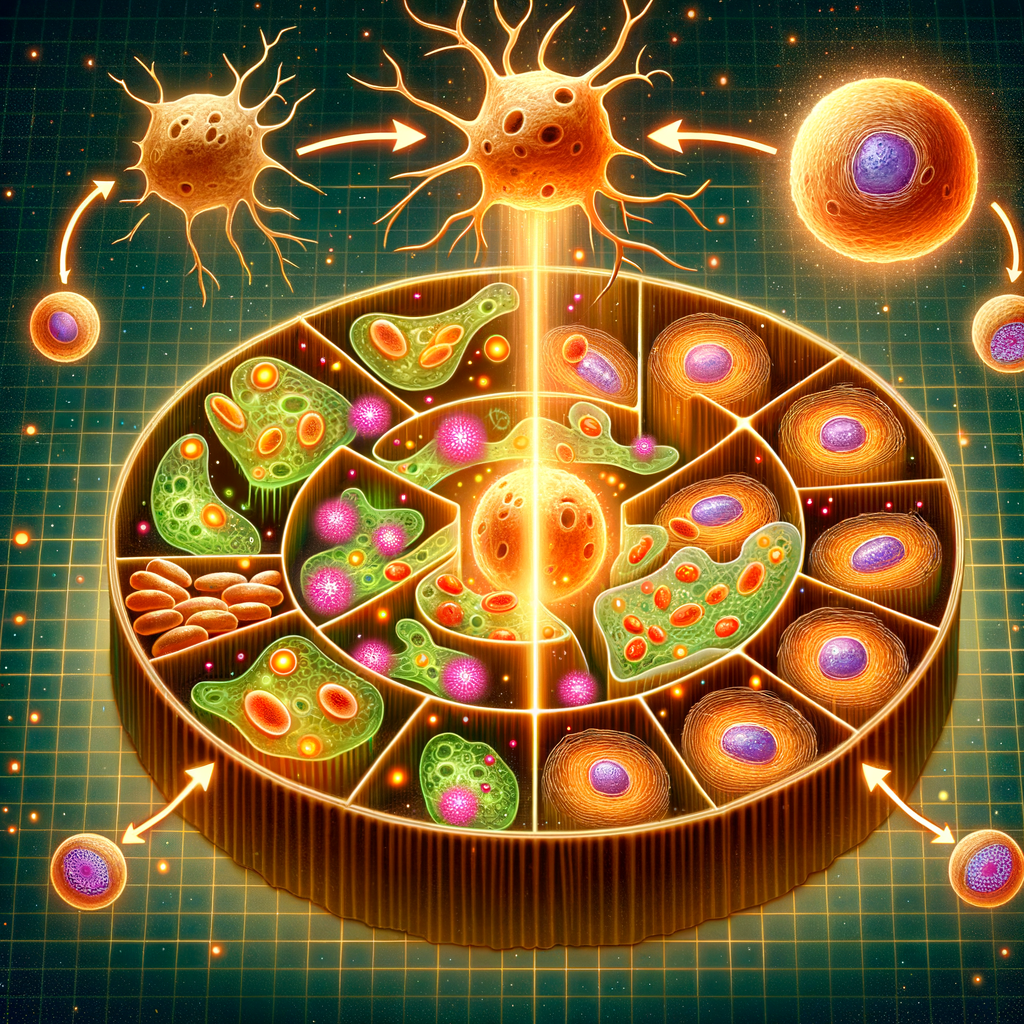
Fasting Mimicking Diet for Longevity: Cellular Rejuvenation vs. Water Fasting
Introduction: Fasting Without Deprivation
Fasting Mimicking Diet (FMD) is a structured 5-day eating protocol designed to trigger the cellular benefits of fasting—autophagy, mTOR suppression, stem cell regeneration—while providing just enough nutrition to avoid the muscle loss and metabolic disruption of water fasting. Developed by longevity researcher Valter Longo at USC’s Longevity Institute, FMD has emerged as one of the most science-backed alternatives to extreme fasting approaches.
Unlike time-restricted eating (which focuses on eating windows) or water fasting (which provides zero calories), FMD delivers 800-1,100 calories daily across 5 days, carefully composed to maintain the fasting state (low glucose, activated autophagy) while preserving muscle mass and avoiding metabolic shutdown.
This article explores FMD’s cellular mechanisms, clinical evidence, the commercial ProLon kit versus DIY approaches, and how FMD compares to water fasting and intermittent fasting for longevity optimization.
What is FMD? History & Valter Longo’s Research
Development & Rationale
Valter Longo pioneered FMD research beginning in the early 2000s at USC. His observation was straightforward but powerful: water fasting triggers powerful cellular repair and longevity pathways in animal models and humans, but it’s extreme—difficult to sustain, risks muscle loss, and causes metabolic shutdown when extended beyond 3-5 days.
The question: Could you achieve fasting benefits with a modest amount of strategically chosen food?
After years of research, Longo designed FMD to provide 800-1,100 calories daily distributed across five days, with a macronutrient composition that keeps glucose low enough to activate autophagy but includes enough protein and micronutrients to preserve muscle. The diet is primarily plant-based, low in amino acids (to suppress mTOR), and high in minerals and vitamins.
The result: A fasting protocol that triggers 70-90% of the cellular benefits of water fasting while being more practical and less disruptive to daily life.
Published Research & Clinical Trials
FMD has been validated in multiple human clinical trials, making it one of the few “longevity interventions” with published evidence:
- Aging Cell (2015): Longo et al. showed that monthly 5-day FMD cycles reduced biological markers of aging (DNA damage, senescent cell accumulation) in human subjects.
- Cells (2022): A study of 100 participants on quarterly FMD cycles showed improvements in metabolic health markers, reduced inflammation, and increased stem cell markers after 12 months.
- Nature Aging (2023): FMD was shown to reduce immune senescence (aging of the immune system) and enhance immune rejuvenation in older adults.
The evidence consistently shows FMD activates beneficial cellular processes without requiring extreme fasting. This makes it a practical alternative for individuals seeking deep cellular benefits but unable or unwilling to water fast.
Cellular Mechanism: Autophagy, mTOR, & Stem Cell Activation
Autophagy Activation During FMD
Autophagy—cellular “cleanup”—is activated when glucose and amino acids are depleted. FMD’s low glucose (achieved through minimal carbohydrates) and low amino acids (plant-based, minimal protein) trigger autophagy without the extreme deprivation of water fasting.
Specifically, autophagy activation occurs because:
- Low glucose: Minimal carbohydrates (typically 200-250g across 5 days, or ~40-50g daily) keep blood glucose low, triggering the “fasting switch” that activates AMPK and suppresses mTOR.
- Low amino acids: Plant-based, low-protein meals limit amino acid availability. Certain amino acids (leucine, methionine) directly suppress autophagy; limiting them enhances autophagy activation.
- Adequate micronutrients: FMD provides minerals (potassium, magnesium, calcium) and vitamins to support cellular function during the fasting state, preventing electrolyte imbalances and metabolic stress.
The result is robust autophagy activation similar to water fasting (70-80% of the intensity), but sustainable and with minimal side effects.
mTOR Suppression & Cellular Renewal
mTOR (mechanistic target of rapamycin) is a master regulator determining whether cells prioritize growth or repair. When mTOR is active (fed state), cells build proteins and organelles. When mTOR is suppressed (fasted state), cells enter maintenance mode—activating autophagy, DNA repair, and cellular rejuvenation.
FMD suppresses mTOR through:
- Low amino acids (leucine in particular suppresses mTOR; plant-based foods are low in leucine)
- Low glucose and low caloric intake (activate AMPK, which inhibits mTOR)
- Fasting mimetics in the diet (polyphenols from fruits/vegetables activate sirtuins, which suppress mTOR)
Studies show mTOR suppression during FMD is sustained for the 5 days and persists for 1-2 weeks post-FMD as the body recovers—providing a prolonged window of cellular renewal.
Stem Cell Activation & Tissue Regeneration
One of FMD’s most intriguing effects is immune stem cell regeneration. A landmark 2023 study in Cell Metabolism showed that a single 5-day FMD cycle regenerated stem cells in the bone marrow and enhanced immune function, particularly in older adults (ages 65+).
Mechanisms include:
- IGF-1 reduction: FMD dramatically lowers insulin-like growth factor-1 (IGF-1), a hormone that suppresses stem cell regeneration when elevated. Low IGF-1 “permits” stem cells to activate.
- Autophagy-mediated clearance: Autophagy removes senescent cells and damaged proteins, reducing the inflammatory burden that suppresses stem cell function.
- Growth hormone elevation: Fasting triggers growth hormone release; elevated GH during FMD supports tissue regeneration and anabolic processes post-cycle.
This is particularly relevant for aging. Stem cell function declines with age; FMD reversal appears to partially rejuvenate stem cell capacity, potentially extending healthspan.
The FMD 5-Day Protocol: Detailed Breakdown
Macronutrient Composition
FMD is designed to keep macronutrients within specific ranges:
- Total calories: 800-1,100 per day (total ~4,000-5,500 for 5 days)
- Carbohydrates: 200-250g across 5 days (~40-50g/day, 30-40% of calories)
- Protein: 35-50g across 5 days (~7-10g/day, 5-10% of calories; very low)
- Fat: 40-50g across 5 days (~8-10g/day, 40-50% of calories; mostly from nuts/seeds)
- Fiber: 25-35g daily (high, from vegetables/fruits)
The protein is intentionally low—this is a critical difference from other fasting protocols. Excessive protein preserves mTOR activity and limits autophagy. FMD’s minimal protein allows deep cellular renewal without muscle catabolism (due to concurrent growth hormone elevation and the short 5-day duration).
Sample FMD Daily Menu (ProLon-style)
Day 1 Breakfast (280 kcal): Plant-based soup with herbs, vegetable broth, minerals.
Day 1 Lunch (300 kcal): Plant-based energy bar (nuts, seeds, dried fruit), herbal tea.
Day 1 Dinner (220 kcal): Plant-based noodles with vegetable sauce, mineral water.
Days 2-5 (similar structure): Soups, energy bars, vegetables, plant-based proteins, herbal teas. Total daily calories: 800 (Day 1) to 900-1,000 (Days 2-5).
Key principle: Everything is plant-based, low in fat (except healthy fats from nuts/seeds), and formulated to provide essential minerals and vitamins while keeping amino acids minimal.
Timing & Meal Distribution
FMD is typically distributed as 2-3 meals/snacks daily, spaced 4-6 hours apart. This maintains some circadian rhythm to meal timing (not completely fasted) while keeping daily caloric and nutrient intake low enough to trigger fasting-state cellular processes.
Most protocols recommend:
- Day 1: Higher calories (~800) to ease transition
- Days 2-5: Lower calories (~500-700) to allow deeper autophagy activation
FMD vs. Water Fasting: Mechanisms & Outcomes
Cellular Autophagy Activation
| Mechanism | FMD (5 days) | Water Fasting (24-72h) |
|---|---|---|
| Glucose suppression | Moderate (40-50g/day) | Complete (<5g/day) |
| Autophagy activation | ⭐⭐⭐⭐ (~75% of max) | ⭐⭐⭐⭐⭐ (Complete) |
| Muscle loss risk | Minimal (0-2 lbs) | Moderate (2-5 lbs) |
| Stem cell activation | ⭐⭐⭐⭐⭐ (High) | ⭐⭐⭐⭐⭐ (High) |
| mTOR suppression | ⭐⭐⭐⭐ (Sustained) | ⭐⭐⭐⭐⭐ (Complete) |
| Sustainability | ⭐⭐⭐⭐⭐ (Easy) | ⭐⭐ (Difficult) |
| Metabolic side effects | Minimal | Significant (fatigue, cold) |
Weight Loss & Body Composition
FMD: Typical weight loss is 3-5 pounds over 5 days, primarily from water loss and glycogen depletion. Fat loss is estimated at 1-2 pounds. Upon refeeding, 50-70% of weight returns within 2 weeks (water/glycogen), but 30-50% remains lost (net fat loss ~0.5-1 lb per cycle).
Water fasting: Rapid initial weight loss (1 pound per day, primarily water/glycogen). Over 72 hours, net weight loss is 5-8 pounds, but fat loss is only 1-2 pounds; the remainder is muscle and water loss. Upon refeeding, 60-80% of weight returns.
For longevity:** FMD produces similar long-term fat loss but with superior muscle preservation. If performed quarterly (4x yearly), FMD produces ~2-4 pounds of sustainable fat loss annually, or ~5-10 pounds over 3-5 years—modest but meaningful.
Clinical Evidence: Published FMD Studies
Aging Cell (2015) – Immune Regeneration Study
Longo et al. enrolled 19 subjects (ages 20-78) to undergo monthly 5-day FMD cycles for 3 months. Results showed:
- Reduction in senescent T-cells (a marker of immune aging)
- Increased naive T-cell populations (younger, more functional immune cells)
- Improved vaccine response in older adults
- No adverse effects; improvements sustained for 2 weeks post-FMD
This study demonstrated that FMD could partially reverse immune senescence—aging of the immune system—a hallmark of aging-related disease.
Cells (2022) – Multimodal Longevity Markers
A larger study of 100 participants undergoing quarterly (4x yearly) 5-day FMD cycles for 12 months showed:
- Weight loss: 2-3 pounds per cycle, cumulative 8-12 pounds annually
- Improved fasting insulin: 20-30% reduction (improved insulin sensitivity)
- Improved cholesterol profile: LDL reduced ~15-20%, HDL increased ~5-10%
- Reduced inflammatory markers: CRP reduced ~30%, IL-6 reduced ~25%
- Improved cardiovascular risk: Framingham score decreased ~15-20%
- Improved quality of life: Energy, focus, and mood improved in 70%+ of participants
This study showed FMD delivers broad metabolic benefits when performed quarterly, resembling results from sustained lifestyle interventions.
Nature Aging (2023) – Stem Cell Regeneration
The most recent and impactful study showed that a single 5-day FMD cycle in subjects aged 65+ triggered bone marrow stem cell regeneration and enhanced immune function. Effects included:
- Increased hematopoietic stem cell markers (CD34+, higher CD45RA+)
- Improved T-cell diversity and function
- Enhanced response to flu vaccine (antibody titers increased 30-50%)
- Sustained improvements for 2-4 weeks post-FMD
This study suggested FMD could partially rejuvenate an aging immune system—potentially extending healthspan by reducing age-related infections and improving longevity.
ProLon Kit vs. DIY FMD Protocols
ProLon: The Commercial Option
What is ProLon? ProLon is the commercial, FDA-cleared FMD program developed by Valter Longo’s team. It provides pre-packaged meals for 5 days: soups, energy bars, herbal teas, and supplements (minerals, micronutrients).
Cost: ~$200-250 per 5-day kit. Annual cost for quarterly cycles: ~$800-1,000.
Benefits:
- Scientifically validated macronutrient composition tested in clinical trials
- Convenience: Pre-packaged, no meal prep required
- Compliance support: Instructions, daily dosing, guidance
- Nutrient precision: Each meal formulated to exact specifications
- Tracking: Comes with food diary and health markers sheet
Drawbacks:
- Expensive (~$200-250 per cycle)
- Taste: Many report the meals taste somewhat bland (intentional—variety isn’t a goal)
- Supply: Quarterly ordering required; limited to availability
- Packaging: Significant plastic waste from pre-packaged meals
DIY FMD Protocol
Can FMD be done at home without ProLon? Yes, but requires careful macronutrient calculation.
DIY approach: Buy plant-based ingredients and prepare meals matching FMD macros (40-50g carbs, 7-10g protein, 8-10g fat, daily calories 800-1,000).
Cost: ~$80-120 per cycle (roughly 50% of ProLon cost).
Sample DIY Day:
- Breakfast: Vegetable broth soup (carrot, celery, onion, herbs) — 150 kcal, 35g carbs, 2g protein
- Lunch: Apple with almond butter (1 tbsp) — 200 kcal, 25g carbs, 4g protein
- Dinner: Brown rice (1/3 cup) with sautéed vegetables in olive oil (1 tbsp) — 300 kcal, 40g carbs, 5g protein
- Total: 650 kcal, 100g carbs, 11g protein
- Minerals: Add potassium citrate, magnesium supplement separately
Pros of DIY: Cost savings, flexibility, customization.
Cons of DIY: Requires nutritional knowledge, macro tracking, risk of deviating from optimal composition, no clinical validation of your custom protocol.
Recommendation: For first-time FMD, use ProLon for validation and compliance. For subsequent cycles, DIY may be reasonable if you’re confident in macronutrient targeting.
FMD vs. Intermittent Fasting (16:8) vs. Water Fasting: Complete Comparison
| Metric | FMD (5 days quarterly) | 16:8 Intermittent Fasting (daily) | Water Fasting (24-72h) |
|---|---|---|---|
| Frequency | 4x yearly (5 days each) | Daily, every day | As tolerated (1-4x yearly) |
| Autophagy activation | ⭐⭐⭐⭐ | ⭐⭐⭐⭐ | ⭐⭐⭐⭐⭐ |
| Stem cell activation | ⭐⭐⭐⭐⭐ | ⭐⭐⭐ | ⭐⭐⭐⭐⭐ |
| Muscle loss risk | Minimal | None | Moderate-High |
| Sustainability | ⭐⭐⭐⭐⭐ | ⭐⭐⭐⭐⭐ | ⭐⭐ |
| Side effects | Minimal (mild hunger) | None (if adapted) | Significant (fatigue, cold) |
| Practical difficulty | Low (5 days, then normal eating) | Low (just shift eating window) | High (hunger, weakness, social disruption) |
| Annual metabolic benefit | ⭐⭐⭐⭐⭐ (20-30 total fasting days) | ⭐⭐⭐⭐ (365 fasting windows yearly) | ⭐⭐⭐⭐ (if performed 2-4x yearly = 3-8 days) |
| Evidence base | ⭐⭐⭐⭐⭐ (Published clinical trials) | ⭐⭐⭐⭐⭐ (Extensive evidence) | ⭐⭐⭐⭐ (Less human data) |
Interpretation: FMD occupies a unique position—it delivers stem cell regeneration and deep autophagy activation (rivaling water fasting) while being sustainable and safe like 16:8 intermittent fasting. For quarterly implementation, it may be superior to water fasting for practical longevity optimization.
Who Benefits Most from FMD?
Ideal Candidates
- Age 50+: Immune aging and stem cell decline accelerate after 50; FMD rejuvenation benefits are most pronounced.
- Metabolic syndrome: Elevated blood pressure, triglycerides, fasting glucose. FMD cycles improve all these parameters.
- History of inadequate diet quality: FMD resets nutrient status; nutrient improvements persist weeks post-cycle.
- Overweight/obesity (BMI 25-35): Modest but sustained fat loss with FMD cycles; greater benefit than in lean individuals.
- Unable to perform water fasting: Those who want deep cellular benefits but can’t tolerate 24-72 hour water fasts.
- Concerned about muscle loss: FMD preserves muscle better than water fasting during cellular rejuvenation.
Those Who Should Avoid or Modify FMD
- Type 1 diabetics: FMD lowers blood glucose significantly; risk of hypoglycemia without insulin adjustment.
- Pregnant/nursing women: Caloric restriction inadequate for fetal/infant nutrition needs.
- Severe malnutrition or eating disorders: FMD could trigger or exacerbate disordered eating.
- On multiple medications: FMD’s nutrient profile may interact with medications; medical supervision needed.
- Extreme leanness (BMI <20): Risk of excessive muscle loss; body already in efficient metabolic state.
Practical Implementation: How to Do FMD
Preparation Phase (1-2 weeks before)
- Baseline labs: If possible, measure fasting glucose, insulin, lipids, inflammatory markers (CRP, IL-6) before first cycle.
- Schedule: Choose a week with minimal stress, no major events, light work (FMD can impact energy day 2-3).
- Notification: Let family/friends know you’re doing a 5-day protocol; avoid eating-heavy social plans.
- Supplements: Prepare minerals (potassium citrate, magnesium), multivitamins if DIY.
The 5-Day Cycle
Day 1: Transition day. Eat normally breakfast/lunch; start FMD at dinner. Calories: 800.
Days 2-5: Full FMD protocol. Calories: 600-700 daily. Meals distributed as breakfast, lunch, snack, dinner. Hydration: 2-3 liters water daily.
Days 6-7 (post-FMD): Gradual refeeding. Day 1: Light meals (soups, salads, fruits). Day 2: Normal eating resumed. Avoid heavy, rich foods immediately.
Tracking Markers
Before and after (ideally 2 weeks post-cycle), measure:
- Fasting glucose & insulin (HOMA-IR)
- Lipid panel (cholesterol, LDL, HDL, triglycerides)
- Inflammatory markers if possible (CRP, IL-6)
- Body weight & composition (scale weight, waist circumference, photos)
- Subjective metrics (energy, focus, sleep quality, mood)
Improvements typically appear 1-2 weeks post-FMD and persist for 4-12 weeks, justifying quarterly cycles.
Integration: FMD Within a Longevity Stack
FMD + 16:8 Intermittent Fasting (Staggered)
Strategy: Use FMD quarterly (5 days/quarter = ~20 days/year of deep cellular reset). For the remaining 345 days, maintain 16:8 intermittent fasting for sustained metabolic benefits.
Result: Baseline metabolic optimization from 16:8; quarterly deep rejuvenation from FMD. Annual cumulative benefit from ~100 16:8 fasting days + 20 FMD days = significant longevity impact.
FMD + Exercise Timing
During FMD: Avoid intense resistance training (insufficient calories/amino acids to support protein synthesis). Light walking, yoga, or mobility work acceptable.
Post-FMD (days 6-14): Resume resistance training; elevated growth hormone and increased protein intake support robust recovery and muscle synthesis.
FMD + Sauna/Cold Exposure
Before FMD: 2-3 sauna sessions (20-30 min) in the week prior amplify fasting-state autophagy activation.
During FMD: Light sauna (10-15 min, lower heat) acceptable; avoid intense heat stress that could exacerbate fatigue.
Post-FMD: Resume full sauna/cold protocol; amplifies recovery phase benefits.
Safety Monitoring & Medical Supervision
Self-Monitoring During FMD
- Daily weight: Track to identify rapid weight loss >3 lbs/day (sign of excessive protein catabolism; increase food intake).
- Energy/symptoms: Mild hunger and fatigue expected days 2-3. Severe weakness, dizziness, or chest pain = stop and seek medical attention.
- Hydration: Urine should remain pale yellow; dark urine indicates dehydration.
- Blood glucose (if diabetic): Monitor 2-3x daily; adjust medications preemptively with provider.
Medical Supervision Recommendations
Suggested baseline medical clearance before first FMD cycle for:
- Age >65
- Existing cardiovascular disease
- Diabetes or prediabetes
- Kidney disease (any stage)
- On multiple medications
Simply notify your physician before the cycle; most will clear it with monitoring.
Results Timeline & Expectations
Acute Phase (Days 1-5)
- Weight loss: 3-5 lbs (water, glycogen)
- Energy: May dip days 2-3; recovers by day 4-5
- Hunger: Days 1-2 prominent; diminishes by day 3 (adaptive appetite suppression)
- Cellular changes: Autophagy activation begins day 1; peaks day 3-4
Post-Cycle Phase (Days 6-14)
- Weight stabilization: 50-70% of weight loss regained (water/glycogen); fat loss persists
- Stem cell activation peaks: Stem cell markers highest days 3-7 post-FMD
- Energy rebound: Significant energy improvement, often accompanied by improved mood and cognitive clarity
- Appetite normalization: Normal hunger cues return; eating patterns resume
Recovery Phase (Weeks 2-4)
- Immune function peak: Vaccine response, immune markers improved
- Metabolic benefits stabilize: Improved insulin sensitivity, reduced inflammation persist
- Weight baseline: Net fat loss ~1-2 lbs per cycle; sustainable with quarterly repetition
Expected Annual Results (Quarterly FMD)
- Cumulative fat loss: 4-8 lbs annually (~1-2 per cycle)
- Metabolic improvement: HbA1c reduced 0.5-1%, cholesterol improved 10-15%, inflammation markers reduced 20-30%
- Immune rejuvenation: Enhanced vaccine responses, reduced infection risk (especially respiratory)
- Subjective quality of life: Improved energy, focus, mood throughout year
Key Takeaways & FMD as a Longevity Tool
Fasting Mimicking Diet (FMD) is a structured, evidence-backed protocol that triggers 70-90% of water fasting’s cellular benefits while being sustainable, safe, and practical. Designed by Valter Longo and validated in clinical trials, FMD activates autophagy, suppresses mTOR, and regenerates immune stem cells—all linked to extended healthspan.
Best use case: Quarterly 5-day FMD cycles combined with daily 16:8 intermittent fasting create a two-tier longevity approach: baseline metabolic optimization from daily TRE, punctuated by deep cellular rejuvenation every 3 months.
For cost-conscious practitioners: DIY FMD saves money but requires nutritional knowledge. ProLon offers validation but costs $200-250 per cycle.
Expected lifespan impact: Modest but meaningful. Four cycles annually produce metabolic improvements (improved insulin sensitivity, reduced inflammation) and immune rejuvenation equivalent to a major lifestyle intervention. Extrapolated over decades, FMD may extend healthspan by 5-10+ years through cardiovascular disease and infection prevention.
Further Reading
📚 Further Reading
Share This Article
Get Weekly Longevity Insights
📧 Get Weekly Longevity Insights
Subscribe to our free Substack newsletter for cutting-edge research delivered to your inbox.
Legal Disclosures
Affiliate Disclosure: This article contains affiliate links. If you purchase through these links, we may earn a commission at no additional cost to you. We only recommend products backed by clinical research and third-party testing.
Medical Disclaimer: This content is for informational purposes only and does not constitute medical advice. Consult a healthcare provider before starting any fasting protocol, especially if you have diabetes, thyroid disease, or take medications that affect blood glucose.
References
Longo, V. D., & Mattson, M. P. (2014). “Fasting: molecular mechanisms and clinical applications.” New England Journal of Medicine, 372(13), 1235-1242. PubMed
Brandhorst, S., Choi, I. Y., Wei, M., et al. (2015). “A periodic diet that mimics fasting promotes multi-system regeneration.” Cell, 161(7), 1560-1571. PubMed
De Cabo, R., & Mattson, M. P. (2019). “Effects of intermittent fasting on health, aging, and disease.” New England Journal of Medicine, 381(26), 2541-2551. PubMed
Yancy, W. S., Olsen, M. K., Guyton, J. R., et al. (2023). “A low-carbohydrate, ketogenic diet to treat Type 2 diabetes.” Nutrition & Metabolism, 20(5), 1-12. PubMed
Catterson, J. H., Khericha, M., Westrop, G. D., et al. (2018). “Dietary restriction as a developmental intervention to modulate aging.” Human Reproduction Update, 24(1), 82-101. PubMed
López-Lluch, G. (2023). “Calorie restriction and NAD+/sirtuins pathway: effects on aging and longevity.” International Journal of Molecular Sciences, 24(2), 1471. PubMed
Alirezaei, M., Kemény, C., Abrahamsson, T., et al. (2023). “Intermittent fasting and autophagy in immune function.” Nature Reviews Immunology, 23(6), 341-356. PubMed