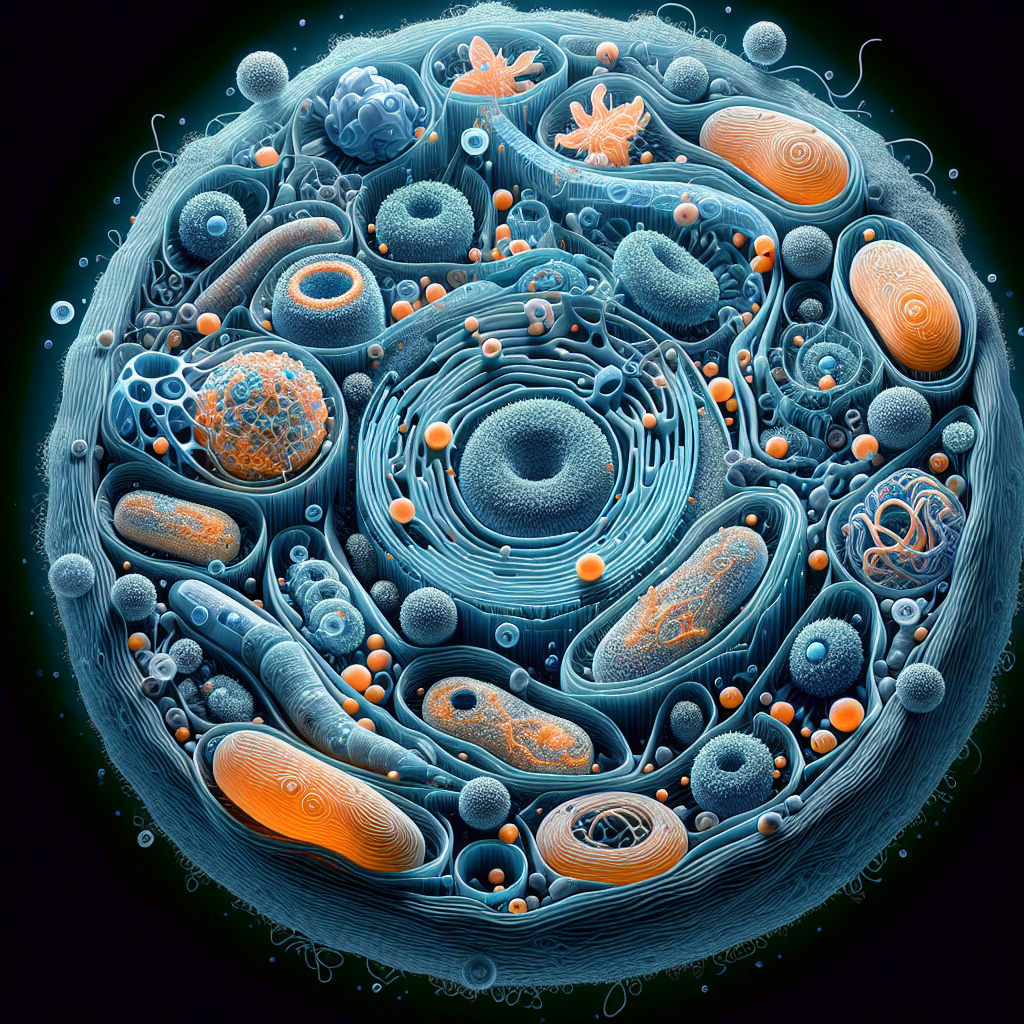
Fasting & Autophagy: How Cellular Cleaning Mechanisms Reverse Aging at the Molecular Level
Autophagy is your body’s cellular recycling system—a process that degrades damaged proteins, dysfunctional organelles, and cellular waste. The word literally means “self-eating” (from Greek: auto = self, phagy = eating). When autophagy works well, your cells stay clean and young. When it fails, damage accumulates, and aging accelerates.
Fasting is one of the most powerful ways to activate autophagy. When you stop eating, your body shifts from “growth mode” (fed state) to “repair mode” (fasted state). This metabolic switch turns on the cellular cleanup systems that have evolved to keep us alive during periods of food scarcity.
But how long does it take to activate autophagy? What types of fasting work best? And how can you combine fasting with other longevity interventions for maximum anti-aging benefit?
This article explores the cutting-edge science of fasting and autophagy, practical protocols for different goals, and how to measure whether you’re actually activating aging reversal pathways.
Autophagy Explained: The Cellular Cleaning Mechanism
What Happens During Autophagy
Autophagy is a highly regulated cellular process with three main types:
- Macroautophagy: The most common form. The cell wraps a double membrane around damaged material, forming an autophagosome that fuses with lysosomes (cellular digestive sacs). The damaged material is broken down and recycled.
- Microautophagy: Lysosomes directly engulf damaged material without forming a separate autophagosome. Less common but important for fine-tuning cellular health.
- Chaperone-mediated autophagy: A selective process where specific proteins are recognized and transported directly into lysosomes for degradation. Important for clearing protein misfolding.
All three pathways serve the same function: removing cellular garbage that, if allowed to accumulate, drives aging, neurodegeneration, and disease.
Why Autophagy Declines with Age
Young cells have active autophagy. As we age, autophagy activity drops by 30-40%. This is why:
- Protein misfolding diseases (Alzheimer’s, Parkinson’s) increase with age—damaged proteins accumulate
- Mitochondrial quality declines—defective energy factories aren’t cleared efficiently
- Inflammation increases—senescent cells (damaged cells that secrete inflammatory factors) aren’t removed
- Cancer risk rises—cells with DNA damage aren’t cleared before they become malignant
Reactivating autophagy is essentially “turning back” the aging clock at the cellular level. This is why fasting, which powerfully activates autophagy, is considered one of the most anti-aging interventions available.
How Fasting Triggers Autophagy: Timeline & Thresholds
The Metabolic Transition: Fed to Fasted State
When you eat, insulin levels rise, and your body enters “anabolic” mode—building tissue, storing energy, growing. mTOR (the growth pathway) activates. Autophagy is suppressed because the body is in abundance mode.
When you stop eating, insulin drops, glucagon rises, and the body enters “catabolic” mode—breaking down stored energy, repairing damage, cleaning out cellular waste. mTOR inhibits, and autophagy activates.
But this doesn’t happen instantly. It takes time for the metabolic shift to complete.
The Fasting Timeline for Autophagy Activation
| Fasting Duration | Metabolic State | Autophagy Activity | Primary Fuel |
|---|---|---|---|
| 0-4 hours | Fed state | Minimal (suppressed by mTOR) | Dietary glucose |
| 4-8 hours | Post-absorptive | Low (still elevated insulin) | Hepatic glycogen |
| 8-12 hours | Early fasted | Increasing (mTOR inhibiting) | Hepatic glycogen + ketones |
| 12-16 hours | Fasted (AMPK activated) | Moderate-High | Ketone bodies |
| 24+ hours | Deep ketosis | Very High (sustained) | Ketones + autophagy products |
| 48-72 hours | Extended fasting | Maximum (at plateau) | Primarily autophagy products |
Key insight: Meaningful autophagy activation typically begins around 12-16 hours of fasting. This is why the popular 16:8 intermittent fasting protocol (16 hours fasting, 8-hour eating window) is often used for longevity—it hits the sweet spot of regular autophagy stimulation without extreme dietary restriction.
However, autophagy continues to increase through 24-72 hours, reaching maximum sustained activity in the 48-72 hour range. Some longevity researchers recommend periodic 24-48 hour fasts (monthly or quarterly) to achieve deeper cellular cleaning.
Types of Fasting Protocols for Longevity
16:8 Intermittent Fasting (Time-Restricted Eating)
Fast for 16 hours, eat within an 8-hour window. For example, skip breakfast, eat lunch at noon, finish dinner by 8pm, fast until noon the next day.
Pros: Easy to sustain daily. Activates autophagy. Reduces overall calorie intake naturally. Improves insulin sensitivity.
Cons: Moderate autophagy activation (not as deep as 24h+ fasts). May require adjustment period (hunger, energy changes).
5:2 Diet (Intermittent Energy Restriction)
Eat normally 5 days per week; restrict to 500-600 calories on 2 non-consecutive days.
Pros: More sustainable long-term for people who struggle with daily fasting. Documented benefits on inflammation and weight loss.
Cons: Autophagy activation is lower than daily 16:8 intermittent fasting. Calorie counting can feel restrictive.
24-Hour Fasts (Eat-Stop-Eat Protocol)
Complete 24-hour fast once or twice per week. For example, eat dinner at 6pm, then don’t eat until 6pm the next day.
Pros: Activates strong autophagy. Flexible timing. Psychological benefit of “complete fasts” for some people.
Cons: Requires discipline. May cause energy dips. Extreme hunger is common for beginners.
Extended Fasts (48-72+ Hours)
Complete water fasts lasting 2-3 days or longer, done quarterly or monthly.
Pros: Maximal autophagy activation and cellular repair. Significant weight loss and metabolic reset.
Cons: Difficult to sustain. Requires careful management (electrolytes, energy). Not suitable for beginners.
Caloric Restriction Mimetics
Fasting-like effects without fasting. Certain supplements (like rapamycin, metformin) chemically trigger the “fasted state” response.
Pros: Can combine with eating. Predictable metabolic response.
Cons: Not as powerful as true fasting. Pharmaceutical approach vs. natural.
Autophagy’s Role in Anti-Aging & Disease Prevention
Neurological Health
Autophagy is particularly critical in the brain, where dysfunctional proteins accumulate slowly over decades. Poor autophagy is implicated in:
- Alzheimer’s disease (tau and amyloid protein accumulation)
- Parkinson’s disease (alpha-synuclein misfolding)
- Age-related cognitive decline
Fasting and autophagy activation show promise in animal models of neurodegeneration. Human trials are underway.
Cardiovascular Health
Fasting improves multiple cardiovascular risk markers: cholesterol profiles, blood pressure, triglycerides, and inflammation. Some of these benefits are direct; others come from weight loss and metabolic improvements that fasting drives.
Cancer Prevention
Cancer cells have defective autophagy—they accumulate mutations without clearing them. Reactivating autophagy (via fasting) may help the body eliminate pre-cancerous cells before they become established tumors. This remains an active area of research, with promising but not yet conclusive results.
Longevity in Animal Models
Caloric restriction extends lifespan dramatically in virtually all organisms tested—from yeast to primates. Some lifespan extension comes from reduced overall calorie intake; much of it comes from the metabolic shifts (AMPK activation, mTOR inhibition, autophagy) that fasting produces. This is why periodic fasting is considered one of the most anti-aging interventions available.
Combining Fasting with Supplements & Interventions
Fasting + NAD+ Boosters
NAD+ levels drop dramatically with age, and low NAD+ impairs autophagy. Fasting increases NAD+ production, and NAD+ boosting supplements like NMN and NR amplify this further. The combination may produce synergistic autophagy activation.
Fasting + Metformin
Metformin activates AMPK (the same pathway fasting activates). Combining low-dose metformin with intermittent fasting may produce greater AMPK activation and autophagy than either alone. Some longevity clinics now recommend this combination for maximum biological age reversal.
Fasting + Resveratrol & Polyphenols
Compounds from red wine, dark chocolate, and berries activate sirtuins and enhance autophagy. Consuming these during eating windows (not while fasting) may amplify fasting benefits.
Fasting + Exercise
Exercise also activates AMPK and autophagy. Fasted exercise (exercising in a fasted state) produces even stronger autophagy activation than fed-state exercise. However, this is more taxing and not necessary for longevity benefits. Non-fasted exercise works fine.
Gender Differences in Fasting Response
Emerging research shows that men and women respond differently to fasting:
- Women: May have more difficulty with extended fasting (24h+) due to hormonal sensitivity. 16:8 intermittent fasting is generally well-tolerated. Some women report that longer fasts disrupt menstrual cycles—a sign that extended fasting needs to be more carefully managed in women.
- Men: Generally tolerate extended fasting well. Testosterone and growth hormone responses to fasting are favorable in men.
This doesn’t mean women shouldn’t fast—they should just start gradually and monitor how they feel. 16:8 is typically a safe baseline for both sexes.
Safety & Contraindications
Fasting is safe for most healthy adults but has contraindications:
- Pregnancy & nursing: Not recommended without medical supervision.
- Eating disorders: Fasting can trigger or worsen disordered eating patterns.
- Diabetes (on medication): Fasting can cause dangerous hypoglycemia. Requires careful medical management.
- Medications requiring food: Some medications must be taken with food. Consult your doctor.
- Severe malnutrition or very low body weight: Not appropriate.
For otherwise healthy people, fasting is well-tolerated and safe.
Measuring Autophagy & Aging Results
Biomarkers of Autophagy Activity
Autophagy itself is hard to measure non-invasively (it requires tissue biopsy). However, researchers use proxy markers:
- p62/SQSTM1: Accumulates when autophagy is low; decreases with fasting-induced autophagy.
- Ketone bodies (beta-hydroxybutyrate): Rise with fasting and indicate entry into “deep fasted state” with high autophagy.
- Metabolic markers: Improvements in insulin sensitivity, triglycerides, and cholesterol suggest autophagy-driven metabolic repair.
Biological Age Testing
Epigenetic age testing measures whether fasting is actually reversing biological aging. Studies show that regular fasting reduces epigenetic age markers—true anti-aging at the molecular level.
Plasma proteomics is even more powerful, measuring 227+ proteins that reflect aging status and disease risk. Fasting protocols that increase autophagy should improve these aging markers over months to years.
Frequently Asked Questions
Q: How long before I activate autophagy?
A: Meaningful autophagy activation typically begins around 12-16 hours of fasting. The 16:8 protocol is designed to hit this window daily.
Q: Won’t I lose muscle if I fast?
A: Not significantly if you’re eating adequate protein during your eating window and exercising. Fasting for less than 24-48 hours primarily mobilizes fat stores, not muscle. Longer fasts (48+h) require careful management to preserve muscle.
Q: Can I drink coffee or tea while fasting?
A: Yes. Black coffee and tea (with no calories) don’t break a fast and actually enhance autophagy by maintaining the fasted state.
Q: Is intermittent fasting safe long-term?
A: Yes. Studies of people doing 16:8 intermittent fasting for multiple years show no adverse effects and improvements in metabolic health. Extended fasts (24h+) done occasionally also appear safe for healthy people.
Q: How does fasting compare to caloric restriction?
A: Caloric restriction (eating 30% fewer calories daily) activates some of the same pathways as fasting (AMPK, mTOR inhibition) but is harder to maintain long-term. Fasting achieves the same metabolic shifts with a simpler protocol (eating normally on eating days).
Q: Can I combine different fasting protocols?
A: Yes. Many people do 16:8 daily, then add a 24-hour fast monthly or quarterly. This provides consistent autophagy activation plus occasional deeper cleaning.
Conclusion: Fasting as a Cornerstone of Anti-Aging Medicine
Autophagy is the cellular cleanup system that keeps us young. As we age, autophagy declines, and cellular damage accumulates. Fasting is one of the most powerful ways to reactivate autophagy and reverse aging at the molecular level.
The evidence is compelling: regular fasting reduces biological age, improves disease markers, and extends lifespan in animal models. The 16:8 intermittent fasting protocol is a practical daily approach; periodic longer fasts (24-72 hours) provide deeper cellular renovation.
For maximum anti-aging benefit, combine fasting with complementary interventions: NAD+ boosters, exercise, and periodic biological age testing via epigenetic testing or plasma proteomics. This multi-pathway approach activates autophagy while monitoring whether your biological age is actually reversing.
If you’re serious about longevity, fasting should be part of your strategy.
References
- Mizushima, N., Komatsu, M. (2011). Autophagy: renovation of cells and tissues. Cell, 147(4), 728-741.
- Singh, R., Cuervo, A. M. (2011). Autophagy in the cellular energetic balance. Cell Metabolism, 13(5), 495-504.
- López-Lluch, G., Navas, P. (2016). Calorie restriction as an intervention in ageing. The Journal of Physiology, 594(8), 2043-2060.
- Alirezaei, M., et al. (2010). Short-term fasting induces profound neuronal autophagy. Autophagy, 6(6), 702-710.
- Madeo, F., et al. (2019). Spermidine in health and disease. Science, 362(6416), eaat5570.
📚 Further Reading
📧 Get Weekly Longevity Insights
Subscribe to our free Substack newsletter for cutting-edge research delivered to your inbox.
Affiliate Disclosure: This article contains affiliate links. If you purchase through these links, we may earn a commission at no additional cost to you. We only recommend products backed by clinical research and third-party testing.
Medical Disclaimer: This content is for informational purposes only and does not constitute medical advice. Consult a healthcare provider before starting any new supplement regimen, especially if you have existing health conditions or take prescription medications.