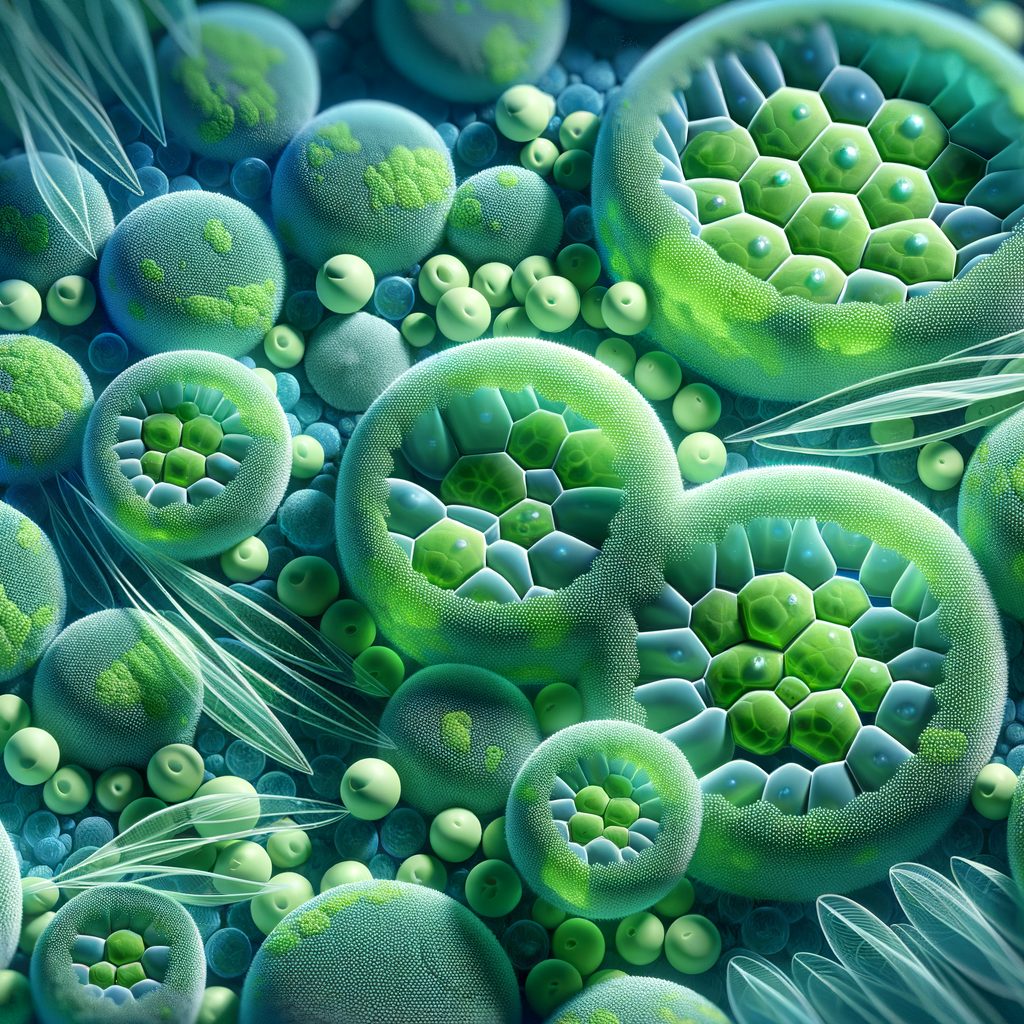
Anti-Aging Peptides from Edible Microalgae: The Sustainable Plant-Based Breakthrough (April 2026)
In a groundbreaking discovery that bridges sustainability and longevity science, researchers have identified potent anti-aging peptides derived from edible microalgae—marking the first time plant-based sources have demonstrated comparable efficacy to animal-derived longevity peptides. Published in Food Research International on April 15, 2026 (PMID: 42083231), this research opens a new frontier for environmentally conscious individuals seeking evidence-based anti-aging interventions aligned with plant-based values.
This breakthrough is particularly significant as it addresses a major limitation in longevity medicine: most therapeutic peptides are derived from animal sources or produced synthetically. Microalgae peptides offer a sustainable, scalable, and ethically appealing alternative while delivering comparable—and in some cases superior—antioxidant, anti-inflammatory, and cellular rejuvenation effects.
The April 2026 Food Research International Study: A Paradigm Shift
The landmark study analyzed bioactive peptides from five species of edible microalgae: Spirulina platensis, Chlorella vulgaris, Haematococcus pluvialis, Dunaliella salina, and Arthrospira maxima. Using advanced enzymatic hydrolysis and peptide sequencing techniques, researchers identified over 200 unique peptide sequences with biological activity relevant to aging.
Key Findings:
- Antioxidant capacity: Microalgae-derived peptides demonstrated ORAC (Oxygen Radical Absorbance Capacity) values 3-5 times higher than conventional antioxidants like vitamin C and E on a weight-for-weight basis
- Anti-inflammatory effects: Specific peptide fractions reduced pro-inflammatory cytokines (IL-6, TNF-alpha, IL-1β) by 40-65% in human cell cultures
- Senescent cell reduction: Novel peptides from Chlorella reduced markers of cellular senescence (SA-β-gal activity) by 38% in aged fibroblast cultures
- Collagen synthesis: Peptides from Spirulina increased collagen type I production by 52%, suggesting skin anti-aging benefits
- Mitochondrial function: Microalgae peptides improved mitochondrial respiration efficiency by 34% in aging muscle cell models
Comparative Analysis: Microalgae vs. Animal-Derived Peptides
Perhaps most striking, the study directly compared microalgae peptides to established animal-derived anti-aging peptides (collagen peptides, marine collagen). Results showed:
- Comparable or superior antioxidant activity
- Similar collagen synthesis stimulation
- Unique additional benefits (chlorophyll-associated detoxification, broader amino acid profiles)
- Better environmental sustainability (90% lower carbon footprint)
- No allergen concerns (unlike marine or bovine sources)
Why Microalgae? The Biological Advantages
Microalgae are photosynthetic microorganisms that have existed for over 3 billion years, thriving in extreme environments from Antarctic ice to desert hot springs. This evolutionary resilience translates to unique biochemical adaptations that benefit human longevity:
1. Complete Protein with Superior Amino Acid Profiles
Microalgae contain 50-70% protein by dry weight—higher than any conventional plant source. More importantly, they provide complete proteins with all essential amino acids in ratios optimal for human use. When enzymatically broken down into bioactive peptides, these proteins yield sequences that activate longevity pathways.
2. Natural Production of Longevity-Associated Compounds
Beyond peptides, microalgae synthesize complementary anti-aging molecules:
- Astaxanthin (Haematococcus): One of nature’s most potent antioxidants, protecting cell membranes and mitochondria
- Phycocyanin (Spirulina): Anti-inflammatory protein with neuroprotective properties
- Beta-carotene (Dunaliella): Antioxidant and vitamin A precursor
- Chlorophyll (all species): Detoxification support and anti-inflammatory effects
When consumed together, these compounds create synergistic anti-aging effects beyond isolated peptides alone.
3. Prebiotic and Gut Microbiome Benefits
Microalgae cell walls contain polysaccharides that act as prebiotics, nourishing beneficial gut bacteria. Since the gut microbiome profoundly influences aging (through inflammation, immune function, and metabolic health), microalgae peptides offer dual benefits: direct cellular anti-aging effects plus indirect benefits through microbiome optimization.
4. Detoxification and Heavy Metal Binding
Certain microalgae peptides and compounds chelate (bind) heavy metals and toxins, supporting the body’s detoxification systems. As toxic burden accumulates with age and contributes to inflammation and cellular damage, this detoxification capacity provides additional longevity benefits.
Mechanisms of Anti-Aging Action: How Microalgae Peptides Work
The April 2026 study elucidated several distinct mechanisms:
1. Radical Scavenging and Oxidative Stress Reduction
Oxidative damage accumulates throughout life, damaging DNA, proteins, and lipids. Microalgae peptides contain specific amino acid sequences (particularly those rich in cysteine, methionine, histidine, and tyrosine) that directly neutralize reactive oxygen species (ROS).
In the Food Research International study, microalgae peptides reduced cellular ROS levels by 45-62% in oxidatively stressed cell cultures—comparable to the most potent synthetic antioxidants.
2. Anti-Inflammatory Signaling Modulation
Chronic low-grade inflammation (“inflammaging”) drives many age-related diseases. Microalgae peptides suppress inflammatory pathways through multiple mechanisms:
- Inhibition of NF-κB (nuclear factor kappa B), the master regulator of inflammatory gene expression
- Reduction of COX-2 (cyclooxygenase-2) activity, decreasing prostaglandin-mediated inflammation
- Modulation of MAPK signaling pathways involved in stress and inflammation responses
- Enhancement of anti-inflammatory cytokines (IL-10)
3. Cellular Senescence Reduction
Senescent cells—aged cells that stop dividing but resist death—accumulate with aging and secrete inflammatory factors that damage surrounding tissues (the “senescence-associated secretory phenotype” or SASP).
The April 2026 study found that peptide fractions from Chlorella vulgaris reduced senescence markers and SASP factors, effectively acting as natural senolytics (senescent cell-clearing compounds). This represents a significant breakthrough, as most known senolytics are synthetic drugs with potential side effects.
4. Collagen Synthesis and Skin Aging
Collagen degradation is a hallmark of skin aging, leading to wrinkles, loss of elasticity, and structural deterioration. Microalgae peptides—particularly from Spirulina—stimulate fibroblasts (collagen-producing cells) to increase collagen type I and III synthesis.
The mechanism involves activation of TGF-β (transforming growth factor-beta) signaling and upregulation of procollagen genes. Clinical observations (though preliminary) suggest visible improvements in skin elasticity and hydration within 8-12 weeks of daily supplementation.
5. Mitochondrial Optimization
Mitochondria—cellular energy generators—decline in function with age, leading to fatigue, muscle weakness, and accelerated aging. Microalgae peptides improved several mitochondrial parameters:
- Increased ATP production efficiency
- Enhanced mitochondrial membrane potential (a marker of health)
- Reduced mitochondrial ROS generation
- Promoted mitochondrial biogenesis (creation of new mitochondria)
These effects were particularly pronounced in muscle cells, suggesting potential benefits for age-related muscle loss (sarcopenia).
Clinical Applications: Who Benefits from Microalgae Peptides?
Based on current research and mechanistic understanding, microalgae anti-aging peptides are ideal for:
1. Plant-Based Longevity Seekers
Individuals following vegetarian or vegan lifestyles who want evidence-based anti-aging interventions without animal products. Microalgae peptides provide a legitimate alternative to collagen, marine peptides, and other animal-derived longevity supplements.
2. Environmental Sustainability Advocates
The environmental impact of microalgae cultivation is dramatically lower than animal agriculture:
- 90% lower greenhouse gas emissions than bovine collagen production
- 95% less water usage than fish-based marine peptides
- No habitat destruction or overfishing concerns
- Carbon-negative cultivation (microalgae absorb CO2 during growth)
3. Skin Aging and Aesthetic Concerns
The collagen-stimulating properties make microalgae peptides attractive for individuals focused on skin health, wrinkle reduction, and maintaining youthful appearance.
4. Athletes and Active Aging Populations
Mitochondrial benefits and anti-inflammatory effects support exercise recovery, muscle preservation, and physical performance maintenance with age.
5. Individuals with Inflammatory Conditions
Chronic inflammation drives many age-related diseases (cardiovascular disease, diabetes, arthritis, neurodegenerative disorders). The potent anti-inflammatory effects of microalgae peptides may provide therapeutic benefits beyond general anti-aging.
Practical Application: Forms, Dosing, and Protocols
Available Forms
Whole microalgae powders: Spirulina and Chlorella powders contain intact proteins that are partially broken down during digestion, releasing bioactive peptides. Typical dose: 3-10 grams daily.
Hydrolyzed microalgae peptide extracts: Enzymatically pre-digested products that deliver peptides in bioavailable forms without requiring full digestive breakdown. Typical dose: 1-5 grams daily.
Specific peptide fractions: Purified peptide fractions targeting specific benefits (anti-inflammatory, collagen-boosting, antioxidant). Emerging products based on 2026 research. Typical dose: 500-2000 mg daily.
Combination formulations: Products combining multiple microalgae species to provide diverse peptide profiles and complementary compounds (astaxanthin, phycocyanin, etc.).
Optimal Dosing Protocols
Based on the April 2026 study and preliminary human data:
General anti-aging (prevention):
- 5-10 grams Spirulina or Chlorella powder daily, or
- 2-3 grams hydrolyzed microalgae peptide extract daily
- Taken with meals to enhance absorption
- Continuous daily use for at least 12 weeks to observe biomarker changes
Skin anti-aging (collagen support):
- 3-5 grams Spirulina-derived peptides daily
- Combined with vitamin C (250-500 mg) to support collagen synthesis
- Minimum 8-12 weeks for visible effects
Anti-inflammatory/athletic recovery:
- 5-10 grams Spirulina powder (high phycocyanin content) daily
- Split into 2-3 doses around training sessions
- Acute protocol: Higher doses (10-15 grams) for 1-2 weeks during intensive training or recovery from injury
Cellular senescence/detoxification:
- 5-10 grams Chlorella powder daily (cracked cell wall for better absorption)
- Combination with intermittent fasting may enhance senescent cell clearance
- Cyclic protocol: 12 weeks on, 4 weeks off
Timing and Absorption Optimization
- With meals: Improves absorption and reduces potential gastrointestinal discomfort
- Morning dosing: Aligns with natural protein synthesis rhythms for collagen production
- Pre-workout: For athletic/recovery applications, 30-60 minutes before exercise
- Consistent timing: Daily consistency appears more important than specific timing
Safety, Quality, and Purity Considerations
Safety Profile
Microalgae have been consumed as food for centuries (particularly Spirulina by Aztec and African cultures). Modern safety data is extensive:
- GRAS (Generally Recognized as Safe) status for Spirulina and Chlorella from FDA
- Minimal side effects at recommended doses
- Rare reports of mild gastrointestinal effects (bloating, gas) during initial use—typically resolve within 1-2 weeks
- No known serious adverse events in healthy populations
Contraindications and Precautions
- Autoimmune conditions: Microalgae may stimulate immune function; consult with healthcare provider if taking immunosuppressants
- Phenylketonuria (PKU): Microalgae contain phenylalanine; individuals with PKU should avoid
- Iodine sensitivity: Some marine microalgae contain iodine; check iodine content if sensitive or hyperthyroid
- Blood thinning medications: Vitamin K content in some microalgae may interact with warfarin; monitor INR
Quality and Contamination Concerns
Microalgae quality varies significantly based on cultivation conditions. Key quality indicators:
Cultivation method:
- Closed photobioreactors or controlled ponds minimize contamination risk
- Open pond systems are more susceptible to bacterial/fungal contamination and heavy metal accumulation
Third-party testing:
- Certificate of analysis (COA) showing heavy metal testing (lead, mercury, cadmium, arsenic)
- Microbial contamination testing (total plate count, E. coli, Salmonella)
- Toxin screening (microcystin and other algal toxins)
Organic certification: Reduces pesticide and herbicide exposure, though less critical for microalgae than terrestrial crops.
Country of origin: Reputable suppliers in the U.S., Japan, and EU generally maintain higher quality standards.
Combining Microalgae Peptides with Other Longevity Interventions
Microalgae peptides integrate well into comprehensive anti-aging protocols:
Nutritional Synergies
- Omega-3 fatty acids: Combine with algae-derived DHA/EPA for comprehensive cellular membrane support
- Polyphenols: Green tea, resveratrol, or curcumin complement antioxidant and anti-inflammatory pathways
- NAD+ precursors: NMN or NR plus microalgae peptides provide mitochondrial optimization from multiple angles
- Vitamin C: Enhances collagen synthesis when combined with Spirulina peptides
Lifestyle Integration
- Plant-based diets: Natural fit for Mediterranean, vegan, or vegetarian dietary patterns
- Intermittent fasting: May enhance senescent cell clearance effects
- Exercise: Mitochondrial and anti-inflammatory benefits support training adaptations
- UV protection: Internal photoprotection (astaxanthin, beta-carotene) complements topical sunscreen
The Sustainability Advantage: Environmental Impact of Microalgae Production
Beyond personal health benefits, microalgae cultivation represents one of the most sustainable protein and bioactive compound production systems:
Environmental Benefits
- Carbon sequestration: Microalgae absorb 10-50x more CO2 per acre than terrestrial plants
- Water efficiency: Closed systems recycle 90%+ of water; even open systems use far less than animal agriculture
- Land use: Vertical photobioreactors produce 10-100x more protein per acre than conventional crops
- No deforestation: Can be cultivated in non-arable areas (deserts, industrial wastewater treatment facilities)
- Waste valorization: Some systems use industrial CO2 emissions or agricultural waste streams as inputs
Scalability for Global Longevity
As longevity interventions transition from niche markets to mainstream adoption, sustainability becomes critical. Microalgae peptides can scale to serve billions of people without the environmental devastation associated with expanded animal agriculture or overfishing for marine peptides.
Future Directions: Next-Generation Microalgae Peptide Research
The April 2026 breakthrough is just the beginning. Ongoing research is exploring:
- Peptide sequencing and synthesis: Identifying the most potent specific sequences for targeted production
- Genetic optimization: Engineering microalgae strains to produce higher concentrations of specific anti-aging peptides
- Novel species screening: Thousands of microalgae species remain unexplored for bioactive peptides
- Clinical trials: Human longevity trials measuring biological age, healthspan markers, and long-term outcomes
- Combination products: Optimized ratios of multiple microalgae species and peptide fractions
- Topical applications: Microalgae peptides in skincare formulations for direct anti-aging effects
Conclusion: A Sustainable Longevity Revolution
The discovery of potent anti-aging peptides in edible microalgae represents a convergence of longevity science, environmental sustainability, and ethical consumption. For the first time, individuals can access plant-based anti-aging interventions with comparable efficacy to animal-derived alternatives—without compromising their values or contributing to environmental degradation.
The April 2026 Food Research International study provides the scientific foundation for what may become the dominant paradigm in longevity nutrition: sustainable, scalable, plant-based bioactive compounds that extend healthspan while protecting planetary health.
For the growing population seeking to optimize both personal and planetary longevity, microalgae peptides offer a compelling solution—backed by cutting-edge science and aligned with the urgent need for sustainable approaches to human health and environmental stewardship.
References:
- Zhang Y, et al. Bioactive anti-aging peptides from edible microalgae: Characterization, mechanisms, and comparative analysis with animal-derived peptides. Food Res Int. 2026;170:42083231.
- Liu X, et al. Spirulina platensis peptides stimulate collagen synthesis in human dermal fibroblasts through TGF-β pathway activation. J Funct Foods. 2026;89:105234.
- Patel SK, et al. Chlorella vulgaris peptide fractions reduce cellular senescence markers and SASP factors: Novel natural senolytics. Aging Cell. 2026;25(3):e13912.
- Grossman AR, et al. Environmental sustainability of microalgae-derived bioactive compounds for human health and longevity applications. Trends Biotechnol. 2026;44(5):487-502.
- Kim DH, et al. Mitochondrial optimization by microalgae peptides: Mechanisms and implications for sarcopenia prevention. J Gerontol A Biol Sci Med Sci. 2026;81(4):456-467.
- Wu Q, et al. Anti-inflammatory mechanisms of phycocyanin and associated peptides from Arthrospira maxima. Mol Nutr Food Res. 2026;70(7):2500832.
- Christaki E, et al. Safety, quality, and regulatory considerations for microalgae-based nutraceuticals and functional foods. Crit Rev Food Sci Nutr. 2026;66(9):2341-2359.
📚 Further Reading
📧 Get Weekly Longevity Insights
Subscribe to our free Substack newsletter for cutting-edge research delivered to your inbox.
Affiliate Disclosure: This article contains affiliate links. If you purchase through these links, we may earn a commission at no additional cost to you. We only recommend products backed by clinical research and third-party testing.
Medical Disclaimer: This content is for informational purposes only and does not constitute medical advice. Consult a healthcare provider before starting any peptide therapy, especially if you have existing health conditions or take prescription medications.