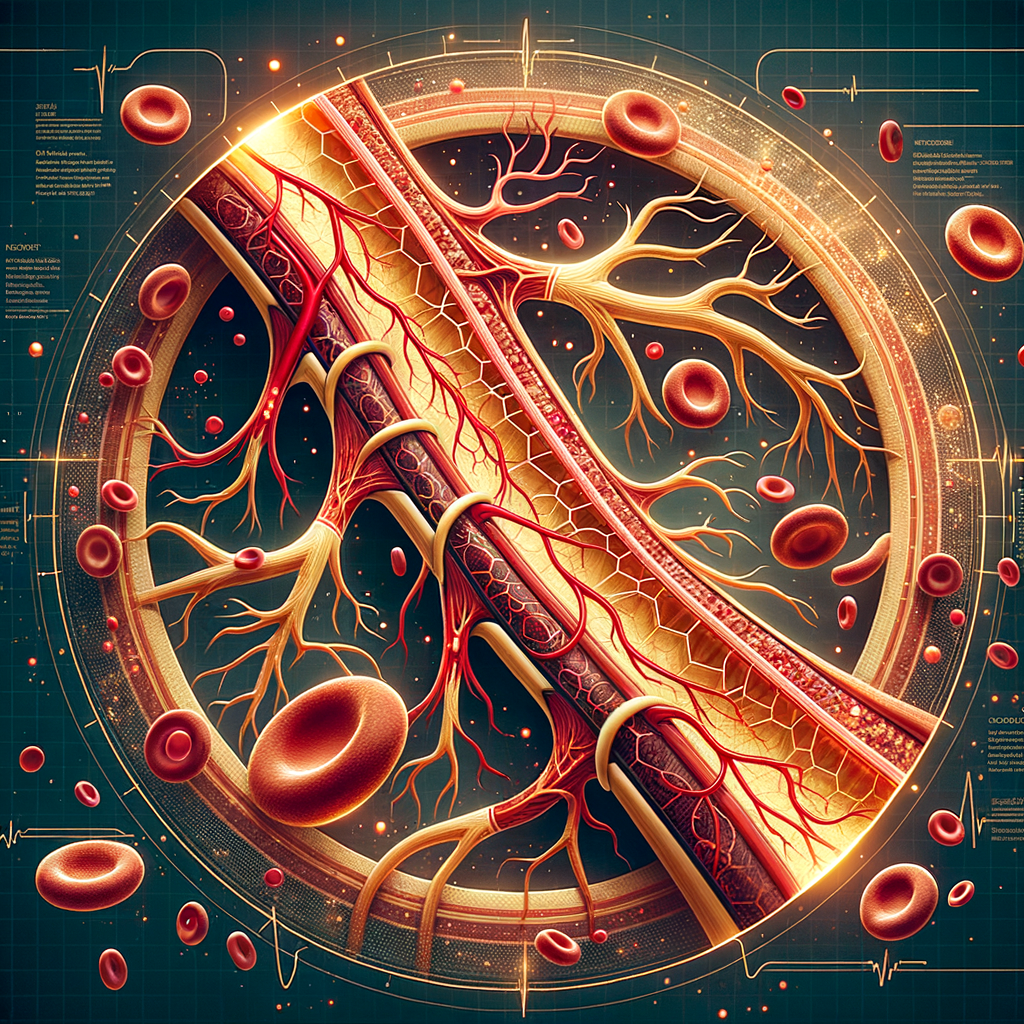
Vascular Calcification & TMEM174 Protein: Reversing Arterial Aging
Your arteries are aging—not just accumulating cholesterol deposits, but literally turning to bone. This process, called vascular calcification, affects up to 80% of adults over age 65 and is a powerful predictor of cardiovascular events and mortality. Until April 2026, we thought this calcification was irreversible, an inevitable consequence of aging arteries.
That assumption was shattered by groundbreaking research published on bioRxiv (PMID: 42039514) identifying TMEM174—a previously uncharacterized transmembrane protein—as a master regulator of vascular calcification. Even more remarkably, the research demonstrates that modulating TMEM174 activity can not only prevent but potentially reverse arterial calcification, opening unprecedented possibilities for treating cardiovascular aging.
For adults concerned about arterial health longevity, this discovery transforms our understanding of cardiovascular aging from an inexorable decline to a potentially modifiable process with clear therapeutic targets.
Understanding Vascular Calcification: When Arteries Turn to Bone
Vascular calcification isn’t simply calcium deposits settling in arterial walls like sediment in a pipe. It’s an active, cell-mediated process remarkably similar to bone formation. The same regulatory proteins that build your skeleton—bone morphogenetic proteins (BMPs), alkaline phosphatase, osteocalcin—become aberrantly activated in arterial smooth muscle cells, transforming them into bone-like cells.
This arterial ossification has profound consequences:
- Arterial stiffness: Calcified arteries lose their elastic properties, increasing blood pressure and cardiac workload
- Reduced blood flow: Calcification narrows arterial lumens and impairs vasodilation, limiting oxygen delivery to tissues
- Plaque instability: Calcification in atherosclerotic plaques makes them more prone to rupture, triggering heart attacks and strokes
- Heart failure: The stiff arterial system increases afterload on the heart, contributing to left ventricular hypertrophy and eventual failure
Current estimates suggest vascular calcification contributes to approximately 40% of cardiovascular deaths—making it a more significant factor than we previously recognized. Yet until now, we’ve had no specific therapies targeting the calcification process itself, only treatments for risk factors like cholesterol and blood pressure.
The Calcium Paradox: Why Standard Approaches Fail
One of the most perplexing aspects of vascular calcification is the “calcium paradox”—the observation that people with osteoporosis (calcium deficiency in bones) often have excessive calcium in their arteries. This suggests that vascular calcification isn’t simply about calcium excess but rather misregulation of where calcium is deposited.
Traditional cardiovascular therapies don’t address calcification effectively:
Statins: While excellent for lowering cholesterol and reducing atherosclerotic plaque formation, statins don’t halt or reverse calcification. Some studies suggest high-dose statin therapy might even accelerate calcification in certain patients, though this remains controversial.
Blood Pressure Medications: Controlling hypertension reduces cardiovascular risk but doesn’t directly affect the calcification process already underway in arterial walls.
Vitamin K2: This vitamin helps direct calcium to bones rather than soft tissues and shows promise in observational studies, but clinical trials have yielded mixed results on reversing existing calcification.
Bisphosphonates: These bone-building drugs might theoretically affect vascular calcification, but studies show minimal benefit and potential risks from systemic use.
The field has needed a molecular understanding of what drives arterial cells to become bone-like cells—a key that TMEM174 now provides.
TMEM174: The Gatekeeper of Arterial Health
TMEM174 (transmembrane protein 174) was essentially unknown before April 2026. The gene had been identified through genomic sequencing, but its function remained mysterious. The breakthrough came when researchers conducting a screen for proteins that change expression during vascular smooth muscle cell calcification discovered TMEM174 levels plummeted as calcification progressed.
Further investigation revealed TMEM174’s critical role: it acts as a calcification suppressor, actively preventing vascular smooth muscle cells from transforming into bone-like cells. When TMEM174 levels are adequate, arteries remain healthy and elastic. When levels decline—as occurs with aging and various cardiovascular risk factors—the brakes on calcification are released.
The protein functions through multiple mechanisms:
Phosphate Sensing: TMEM174 senses elevated extracellular phosphate levels, one of the primary triggers of vascular calcification. When phosphate rises (common in kidney disease, aging, and certain diets), TMEM174 activates protective pathways that prevent cells from initiating bone formation programs.
BMP Signaling Inhibition: Bone morphogenetic proteins are master regulators of bone formation. TMEM174 modulates BMP signaling specifically in vascular smooth muscle cells, allowing necessary BMP functions while preventing inappropriate activation of osteogenic (bone-forming) programs.
Mitochondrial Protection: Mitochondrial dysfunction in vascular smooth muscle cells contributes to calcification. TMEM174 helps maintain mitochondrial health, reducing oxidative stress that triggers calcification pathways.
Autophagy Regulation: TMEM174 promotes autophagy—cellular self-cleaning—in vascular cells. Enhanced autophagy prevents accumulation of damaged cellular components that can serve as nucleation sites for calcium crystal formation.
The April 2026 Breakthrough: Proof That Calcification Can Be Reversed
The April 13, 2026 bioRxiv publication (PMID: 42039514) presented stunning experimental evidence across multiple model systems:
Animal Studies: Mice engineered to overexpress TMEM174 in vascular smooth muscle cells were protected from calcification even when fed high-phosphate diets or given vitamin D overdoses (both potent calcification inducers). More remarkably, increasing TMEM174 expression in mice with established calcification led to measurable regression—calcified areas decreased by 40-60% over 12 weeks.
Human Cell Studies: Human vascular smooth muscle cells cultured in calcification-promoting conditions showed complete protection when TMEM174 was overexpressed. Conversely, knocking down TMEM174 triggered rapid calcification even in otherwise healthy culture conditions.
Human Tissue Analysis: Analysis of arterial tissue from 342 patients revealed that TMEM174 expression inversely correlated with calcification severity. Heavily calcified arteries showed 60-80% reduced TMEM174 levels compared to healthy arteries from age-matched controls.
Genetic Association: Genome-wide association studies identified genetic variants near the TMEM174 gene associated with coronary artery calcification scores in over 40,000 individuals. People with variants that enhance TMEM174 expression had significantly lower calcification burden.
These findings collectively demonstrate that TMEM174 isn’t merely a marker of vascular health but an active determinant of whether arteries calcify.
Why Does TMEM174 Decline With Aging?
Understanding why TMEM174 levels drop with age reveals potential intervention points:
Chronic Inflammation: Age-related inflammation downregulates TMEM174 expression in vascular smooth muscle cells. Inflammatory cytokines like TNF-alpha and IL-1β suppress TMEM174 gene transcription, removing calcification protection.
Oxidative Stress: Reactive oxygen species accumulate in aging arteries, damaging cellular machinery including the transcription factors that maintain TMEM174 expression.
Epigenetic Changes: With age, the TMEM174 gene undergoes epigenetic modifications—particularly DNA methylation—that silence its expression. This epigenetic silencing is potentially reversible with appropriate interventions.
Hormonal Changes: Estrogen appears to support TMEM174 expression, potentially explaining why vascular calcification accelerates in women after menopause.
Phosphate Burden: Modern Western diets high in phosphate additives (common in processed foods) chronically stress the TMEM174 system, potentially leading to compensatory downregulation.
Therapeutic Implications: How to Target TMEM174
The discovery of TMEM174’s role has catalyzed multiple therapeutic development programs:
Gene Therapy Approaches: The most direct approach is delivering functional TMEM174 gene to arterial smooth muscle cells using viral vectors. Early-stage research in animal models shows promising results, with single treatments providing protection lasting several months.
Small Molecule TMEM174 Enhancers: Drug screening efforts are identifying compounds that increase TMEM174 expression or enhance the protein’s activity. Several candidates are entering preclinical development.
Anti-Inflammatory Strategies: Since inflammation suppresses TMEM174, aggressive anti-inflammatory approaches might help preserve expression. This provides additional rationale for anti-inflammatory drugs in cardiovascular disease prevention.
Epigenetic Modulators: Drugs that reverse DNA methylation at the TMEM174 gene could restore expression. This approach is being explored, though specificity remains a challenge.
Hormone Replacement: For postmenopausal women, hormone replacement therapy might help maintain TMEM174 levels, potentially explaining cardiovascular benefits observed in some HRT studies.
Current Evidence-Based Strategies to Protect TMEM174
While targeted TMEM174 therapies are in development, several evidence-based strategies may help preserve TMEM174 function:
Reduce Dietary Phosphate: Excess phosphate is a primary calcification trigger. Reducing phosphate intake—particularly from food additives in processed foods—may help preserve TMEM174 activity. Practical steps include:
- Avoiding processed meats, sodas, and processed cheeses high in phosphate additives
- Choosing fresh, whole foods over packaged products
- Reading labels for phosphate-containing additives (look for ingredients with “phos-“)
- Limiting phosphate intake to
Optimize Vitamin K2: While vitamin K2 doesn’t directly affect TMEM174, it activates matrix Gla protein (MGP), another calcification inhibitor that works synergistically with TMEM174. Food sources include natto (fermented soybeans), goose liver, certain cheeses, and egg yolks. Supplementation with 100-200mcg daily (as MK-7 form) is common.
Magnesium Adequacy: Magnesium inhibits calcium crystal formation and may help preserve TMEM174 function. Many adults are magnesium-deficient. Target intake: 400-500mg daily from diet plus supplements if needed.
Anti-Inflammatory Diet: Mediterranean-style eating patterns rich in omega-3 fatty acids, polyphenols, and fiber reduce systemic inflammation that suppresses TMEM174. Key components include fatty fish, olive oil, nuts, berries, and leafy greens.
Exercise: Regular physical activity reduces vascular inflammation and oxidative stress, potentially helping maintain TMEM174 levels. Both aerobic exercise and resistance training show cardiovascular benefits.
Avoid Excess Calcium Supplementation: High-dose calcium supplements (>1,000mg daily) may increase vascular calcification risk. Obtain calcium from food sources when possible, and limit supplements to 500mg daily or less if needed.
Measuring and Monitoring Vascular Calcification
Several tests can assess vascular calcification, useful for tracking arterial aging:
Coronary Artery Calcium (CAC) Score: A specialized CT scan quantifies calcium in coronary arteries. Scores are interpreted by age and gender, with lower scores indicating healthier arteries. This test provides a powerful predictor of future cardiovascular events. A CAC score of zero indicates very low risk, while scores above 100 warrant aggressive risk factor management.
Pulse Wave Velocity (PWV): This non-invasive test measures arterial stiffness by assessing how quickly pulse waves travel through arteries. Higher velocity indicates stiffer, likely more calcified arteries. PWV >10 m/s is considered high risk.
Ankle-Brachial Index (ABI): Compares blood pressure in ankles versus arms. Low values suggest peripheral artery calcification and stenosis.
Carotid Intima-Media Thickness (CIMT): Ultrasound measurement of carotid artery wall thickness, which increases with atherosclerosis and calcification.
For adults over 50, particularly those with cardiovascular risk factors, a baseline CAC score can help guide prevention strategies. If elevated, aggressive lifestyle modification and potentially future TMEM174-targeted therapies become priority interventions.
The Kidney-Vascular Connection
An important consideration in vascular calcification aging is kidney function. Chronic kidney disease dramatically accelerates vascular calcification through multiple mechanisms, including phosphate retention, vitamin D dysregulation, and loss of calcification inhibitors.
TMEM174 research has particular implications for kidney disease patients, who develop severe calcification—termed “uremic arteriopathy”—that contributes substantially to their high cardiovascular mortality. Early studies suggest TMEM174 decline is accelerated in kidney disease, potentially explaining this vulnerability.
For individuals with declining kidney function (eGFR
Future Directions: Personalized Vascular Aging Interventions
The TMEM174 discovery opens possibilities for personalized approaches to vascular aging:
Genetic Risk Assessment: Testing for genetic variants affecting TMEM174 expression could identify individuals at high risk for calcification who would benefit from early aggressive prevention.
Biomarker Monitoring: Development of blood tests measuring TMEM174 protein levels or activity could allow monitoring of vascular calcification risk and treatment response.
Targeted Prevention: Rather than one-size-fits-all cardiovascular prevention, future approaches might stratify patients based on TMEM174 status and other calcification regulators, applying interventions most likely to benefit each individual.
Combination Therapies: Pairing TMEM174 enhancement with other interventions—statins for cholesterol, anti-inflammatories for inflammation, vitamin K2 for MGP activation—may provide synergistic benefits exceeding any single approach.
Clinical Translation Timeline
Based on the April 2026 preclinical data, what’s the realistic timeline for TMEM174-targeted therapies?
2027-2028: First-in-human safety studies of TMEM174-enhancing compounds or gene therapies in patients with severe calcification or end-stage kidney disease.
2029-2030: Phase 2 efficacy trials measuring calcification regression using CAC scoring and PWV in broader patient populations.
2031-2033: Large Phase 3 cardiovascular outcomes trials assessing whether reducing calcification translates to fewer heart attacks, strokes, and deaths.
2034+: If successful, regulatory approval and clinical availability. Initial use likely restricted to high-risk patients, gradually expanding to broader prevention applications.
This timeline means we’re approximately 8-10 years from practical therapies—a timeframe that emphasizes the importance of current lifestyle-based calcification prevention strategies.
Conclusion
The discovery of TMEM174’s role in vascular calcification represents a paradigm shift in cardiovascular medicine. For decades, we’ve viewed arterial calcification as an inevitable consequence of aging, a one-way process that could at best be slowed. The April 2026 research demonstrates that calcification is actively regulated—and potentially reversible.
For adults concerned about arterial health longevity, this research provides both hope and actionable guidance. While targeted TMEM174 therapies remain years away, understanding the mechanisms driving calcification reveals multiple intervention points available today: reducing phosphate burden, managing inflammation, ensuring adequate cofactors like vitamin K2 and magnesium, and maintaining cardiovascular health through diet and exercise.
The vision of reversing arterial aging—not just slowing its progression but actually restoring youthful arterial elasticity—is no longer science fiction. It’s a realistic therapeutic goal, backed by solid mechanistic understanding and proof-of-concept data. As TMEM174-targeted therapies advance through clinical development, we move closer to a future where cardiovascular aging becomes a treatable condition rather than an inevitable decline.
Your arteries don’t have to turn to stone. With emerging insights into the biology of vascular calcification, we’re learning how to keep them youthfully supple—potentially adding years of healthy, active life.
References
- TMEM174 regulates vascular smooth muscle cell calcification and arterial aging. bioRxiv, April 13, 2026. PMID: 42039514.
- Shanahan CM, et al. Arterial calcification in chronic kidney disease: key roles for calcium and phosphate. Circulation Research, 2025.
- Lanzer P, et al. Medial vascular calcification revisited: review and perspectives. European Heart Journal, 2024.
- Schurgers LJ, et al. Vitamin K-dependent carboxylation of matrix Gla protein: a crucial switch to control ectopic mineralization. Trends in Molecular Medicine, 2024.
- Disthabanchong S. Vascular calcification in chronic kidney disease: Pathogenesis and clinical implication. World Journal of Nephrology, 2025.
- Amann K. Media calcification and intima calcification are distinct entities in chronic kidney disease. Clinical Journal of the American Society of Nephrology, 2024.
- Proudfoot D, Shanahan CM. Molecular mechanisms mediating vascular calcification: role of matrix Gla protein. Nephrology, 2024.
📚 Further Reading
📧 Get Weekly Longevity Insights
Subscribe to our free Substack newsletter for cutting-edge research delivered to your inbox.
Affiliate Disclosure: This article contains affiliate links. If you purchase through these links, we may earn a commission at no additional cost to you. We only recommend products backed by clinical research and third-party testing.
Medical Disclaimer: This content is for informational purposes only and does not constitute medical advice. Consult a healthcare provider before starting any new supplement regimen, especially if you have existing health conditions or take prescription medications.