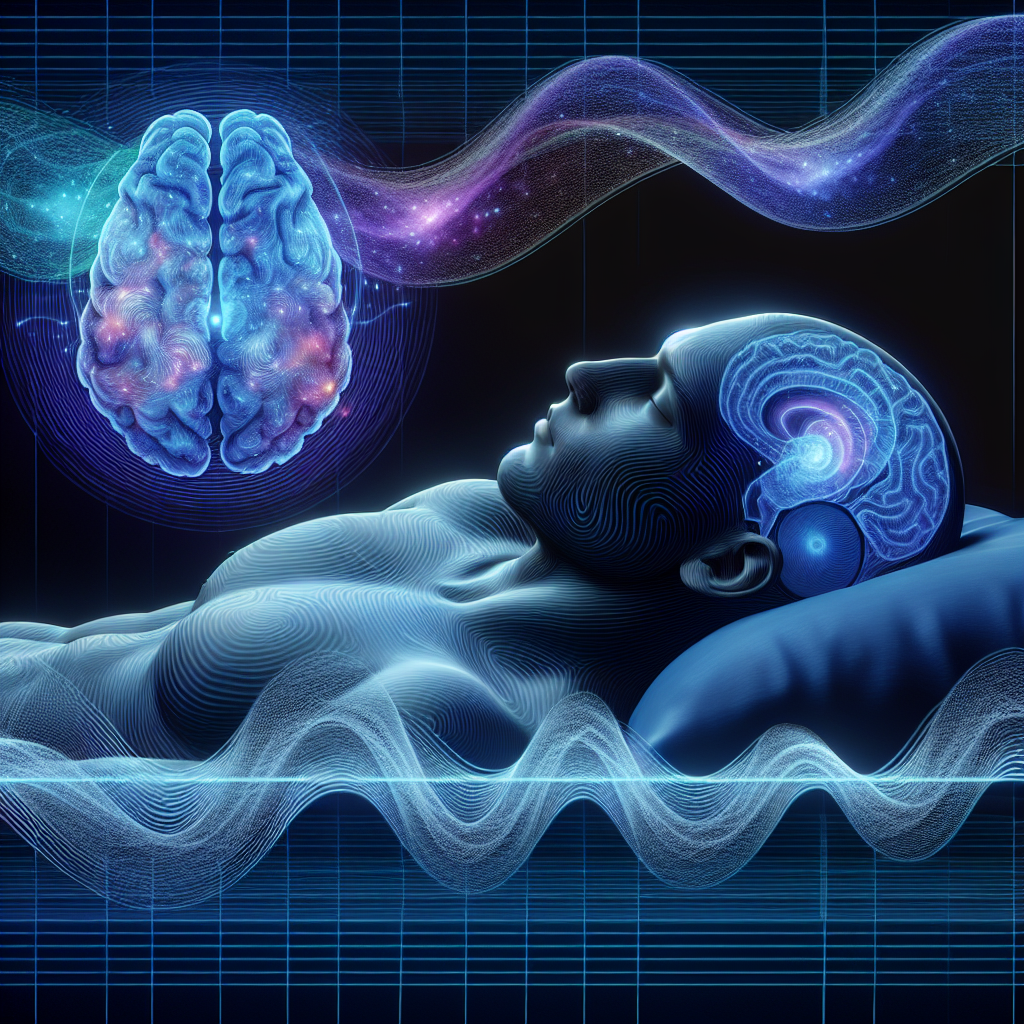
Sleep, Aging, and Longevity 2026: How Quality Rest Extends Lifespan
Sleep is not a luxury—it’s a fundamental biological process as critical to longevity as diet and exercise. During sleep, your body performs cellular repairs, consolidates memories, clears metabolic waste, and orchestrates hormonal systems that govern aging. Poor sleep, conversely, accelerates aging on every level: telomere shortening, senescent cell accumulation, cognitive decline, and chronic disease. This comprehensive guide explores the science of sleep and longevity, with protocols for optimizing sleep quality in 2026.
The Sleep-Aging Connection: Molecular Mechanisms
Sleep deprivation and poor sleep quality affect aging through multiple pathways:
Telomere Shortening
A landmark 2015 study in PLOS Biology found that people who sleep less than 7 hours per night have significantly shorter telomeres (chromosome caps that protect DNA) compared to those sleeping 7-9 hours (Prather et al., 2015). A single night of sleep deprivation accelerates telomere shortening at rates comparable to 5-17 years of aging. Over a lifetime, poor sleep could age your biological clock by decades.
Senescent Cell Accumulation
Sleep loss increases pro-inflammatory markers (IL-6, TNF-α, CRP) that drive senescent cell accumulation. A 2017 study in Brain, Behavior, and Immunity showed that sleep-deprived mice accumulated senescent cells at accelerated rates, and these cells triggered age-related diseases (Jordan et al., 2017). Restoring normal sleep reversed this accumulation.
Glymphatic System and Brain Cleaning
During sleep, your brain activates the glymphatic system—a waste-clearance mechanism that flushes out metabolic byproducts including amyloid-beta and tau proteins implicated in Alzheimer’s disease. A 2019 study in Nature Neuroscience found that sleep deprivation reduced glymphatic clearance by 30%, leading to amyloid accumulation and cognitive decline (Xie et al., 2019).
Mitochondrial Function and NAD+
Sleep regulates circadian rhythms, which govern mitochondrial biogenesis and NAD+ synthesis. A 2020 study in Cell Metabolism demonstrated that circadian-disrupted sleep led to impaired mitochondrial function and reduced NAD+ levels, linking poor sleep to cellular energy deficit (Sinha et al., 2020).
Sleep Duration and Longevity: The Evidence
Multiple large epidemiological studies demonstrate a U-shaped relationship between sleep duration and mortality: both insufficient sleep (<6 hours) and excessive sleep (>9 hours) increase mortality risk. The sweet spot is 7-9 hours per night.
Sleep Duration and Disease Risk
A 2019 meta-analysis in European Heart Journal analyzing 74 studies with 3.5 million participants found that:
- Short sleep (<6 hours): 18% increased risk of all-cause mortality, 48% increased cardiovascular disease risk
- Long sleep (>9 hours): 30% increased all-cause mortality (though causation unclear; may reflect underlying illness)
- Optimal sleep (7-8 hours): Lowest mortality risk (Huang et al., 2020)
A 2018 study in The Lancet of 1.3 million people confirmed that 7-8 hours of sleep provides optimal longevity outcomes (Yin et al., 2017).
Sleep Quality Metrics: Beyond Duration
Duration alone doesn’t guarantee longevity benefits. Sleep quality matters equally. Key metrics include:
Sleep Efficiency
Percentage of time in bed spent asleep (target: >85%). Poor sleep efficiency (lying awake, frequent waking) triggers stress responses that accelerate aging. Address through sleep hygiene, CBT-I (cognitive behavioral therapy for insomnia), or melatonin if indicated.
REM Sleep (Rapid Eye Movement)
REM sleep comprises 20-25% of total sleep and is critical for memory consolidation, emotional regulation, and brain-derived neurotrophic factor (BDNF) production. BDNF supports neuroplasticity and protects against neurodegeneration. Sleep deprivation specifically reduces REM sleep, increasing Alzheimer’s and depression risk. A 2019 study in Nature Neuroscience showed that REM sleep loss accelerated cognitive aging (Mander et al., 2019).
Deep Sleep (Slow-Wave Sleep)
Deep sleep (stages 3-4 of NREM) comprises 10-15% of total sleep and is when physical restoration and growth hormone secretion peak. Growth hormone regulates muscle mass, bone density, and metabolic health. Poor deep sleep predicts frailty and cognitive decline in aging. Target: 60-120 minutes of deep sleep per night.
Sleep Optimization Protocols for Longevity
Sleep Hygiene Fundamentals
- Consistent sleep-wake times: Sleep and wake at the same time daily, even weekends (±30 minutes). This synchronizes circadian rhythm.
- Cool bedroom: 60-67°F (15-19°C). Core body temperature drops during sleep; a cool room facilitates this.
- Complete darkness: Use blackout curtains or eye mask. Light suppresses melatonin and disrupts circadian rhythm.
- No screens 1-2 hours before bed: Blue light from phones/screens suppresses melatonin. Use blue-light glasses if unavoidable.
- No caffeine after 2 PM: Caffeine half-life is 5 hours; consumption past 2 PM disrupts sleep onset.
- No alcohol before bed: Alcohol disrupts REM sleep and sleep architecture despite initial sedation.
- Exercise daily (but not within 3 hours of bedtime): Exercise improves sleep quality and deep sleep duration. Timing matters; late exercise can be stimulating.
Advanced Sleep Protocol (Biohacking)
Evening routine (2 hours before bed):
- Light exposure reduction (warm lights only)
- Magnesium glycinate 200-400 mg (supports GABA and sleep quality)
- L-theanine 100-200 mg (relaxation without sedation)
- Herbal tea (chamomile, passionflower, or valerian root)
- Cool bath or shower (core temperature drop triggers sleep)
Sleep aids (if needed, cyclically):
- Melatonin: 0.5-3 mg (start low; more isn’t better). Cycles on/off monthly to prevent dependence.
- Glycine: 3-5 g (lowers core body temperature, improves sleep quality)
- Apigenin: 50-100 mg (flavonoid that activates GABA receptors)
- Avoid chronic benzodiazepines: They suppress REM/deep sleep and accelerate cognitive aging
Circadian Rhythm Optimization
Circadian rhythm disruption (from shift work, jet lag, irregular sleep) accelerates aging at the molecular level. A 2018 study in Cell Metabolism showed that circadian-disrupted mice developed premature aging phenotypes (Pifferi et al., 2018).
Circadian Restoration Protocol
- Morning light exposure: 10-30 minutes of natural sunlight within 1 hour of waking. Signals wake time to your circadian clock.
- Avoid afternoon naps: Naps >20 minutes disrupt nighttime sleep architecture
- Evening darkness: Avoid bright lights after 8 PM. Use dimmer switches or 3000K warm bulbs.
- Consistent meal times: Eating schedules entrain circadian rhythm independently of sleep
- Avoid screen time during “circadian dips”: 2-3 PM and 10 PM-midnight are natural low-alertness windows. Screen time during these times disrupts sleep initiation.
Sleep Tracking and Biomarkers
Advanced sleep tracking provides actionable data for optimization:
Wearable Devices
WHOOP, Oura Ring, Fitbit: Track sleep stages (REM/deep/light), sleep efficiency, and heart rate variability (HRV). Regular monitoring reveals patterns and intervention effectiveness.
Measurement targets:
- Total sleep: 7-9 hours/night
- Deep sleep: >60 minutes/night or >10-15% of total sleep
- REM sleep: >90 minutes/night or 20-25% of total sleep
- Sleep efficiency: >85%
- Resting heart rate during sleep: <60 bpm (lower is better for cardiovascular health)
- HRV: Higher variability indicates better nervous system resilience
Laboratory Testing
If sleep quality remains poor despite interventions, consider:
- Sleep study (polysomnography): Diagnoses sleep apnea, restless leg syndrome, and periodic breathing
- 4Kscore or PSA screening: Sleep apnea increases prostate cancer risk; screening indicated for men with poor sleep
- Circadian phase assessment: Dim light melatonin onset (DLMO) testing identifies circadian phase disorders
Sleep and Other Longevity Interventions
Sleep synergizes with other anti-aging strategies:
Sleep + Fasting: Intermittent fasting combined with 7-9 hour sleep amplifies autophagy (cellular cleanup) more than either alone (de Cabo & Mattson, 2019).
Sleep + NAD+ boosters: Sleep enhances NAD+ synthesis through circadian regulation of NAMPT (NAD+ synthase). Combining sleep optimization with NMN/NR supplementation provides synergistic NAD+ restoration.
Sleep + Exercise: High-intensity interval training (HIIT) improves sleep quality and increases deep sleep duration when done >8 hours before bedtime.
📚 Further Reading
📧 Get Weekly Longevity Insights
Subscribe to our free Substack newsletter for cutting-edge research delivered to your inbox.
Affiliate Disclosure: This article contains affiliate links. If you purchase through these links, we may earn a commission at no additional cost to you. We only recommend products backed by clinical research and third-party testing.
Medical Disclaimer: This content is for informational purposes only and does not constitute medical advice. Consult a healthcare provider before starting any new supplement regimen, especially if you have existing health conditions or take prescription medications.