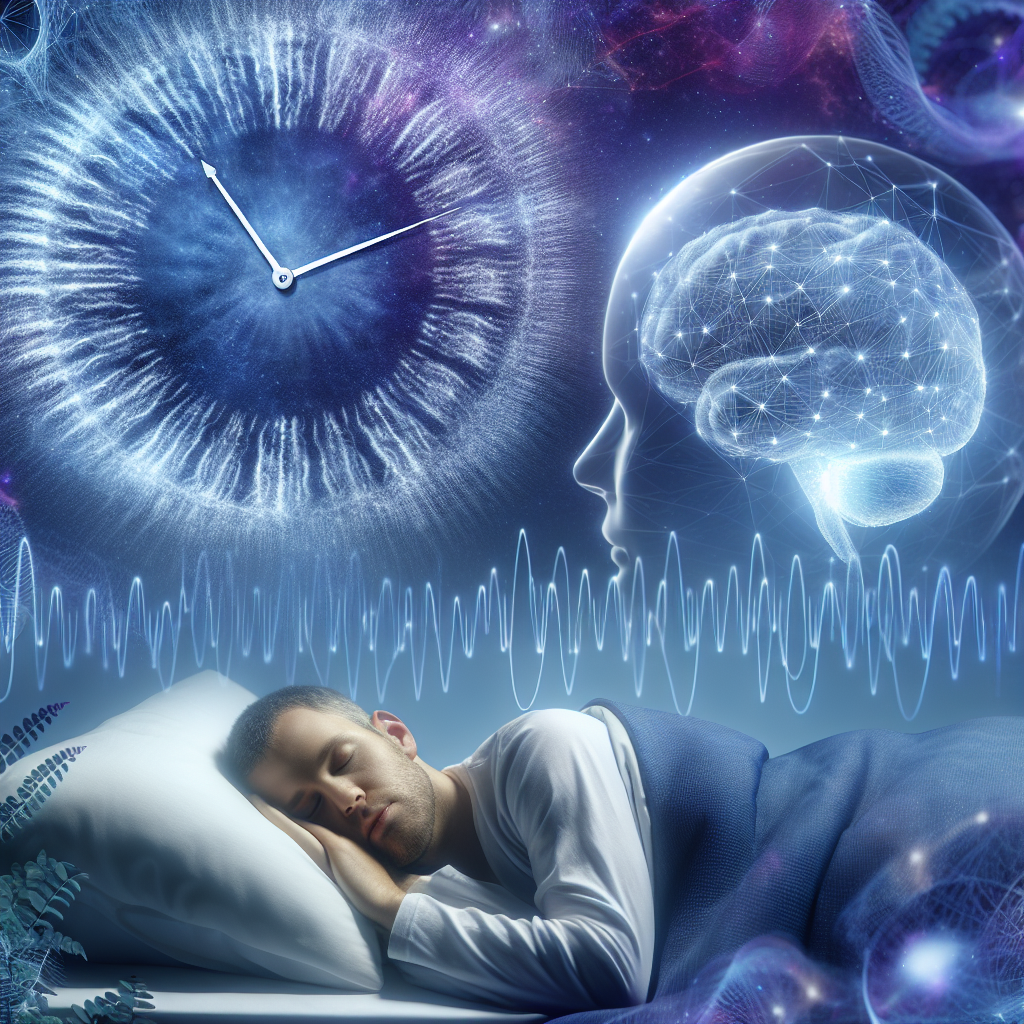
Sleep and Longevity: How Quality Sleep Extends Your Lifespan
The most powerful longevity tool you have access to is completely free, yet most people are sabotaging it every night. Sleep isn’t a luxury—it’s a biological requirement as fundamental as food and water, yet one-third of adults chronically sleep too little. The consequences are staggering: poor sleep accelerates aging, impairs immune function, promotes neurodegeneration, and increases risk of virtually every chronic disease.
Conversely, quality sleep—7-9 hours nightly with consistent timing—emerges as one of the strongest predictors of healthy lifespan. Research from sleep medicine and longevity science now shows exactly how sleep drives aging at the cellular level, and what specific interventions can dramatically improve sleep quality and duration.
This is the comprehensive evidence-based guide to sleep optimization for longevity.
How Sleep Drives Cellular Aging
During sleep, your body undergoes remarkable biological renovations that don’t occur while awake. Understanding these processes reveals why sleep is inseparable from longevity.
The Glymphatic System: Brain Waste Clearance
In 2013, researchers at the University of Rochester made a groundbreaking discovery: during sleep, the brain increases interstitial space by 60%, allowing cerebrospinal fluid to flush through the brain and clear metabolic waste. This is the glymphatic system—essentially the brain’s “cleaning cycle.”
The waste cleared includes amyloid-beta and tau proteins, both implicated in Alzheimer’s disease. Studies show that chronic sleep deprivation allows these proteins to accumulate in the brain, accelerating neurodegeneration. Conversely, consistent quality sleep reduces Alzheimer’s risk by up to 30% according to longitudinal studies.
A 2019 study in Nature Neuroscience demonstrated that even a single night of poor sleep impairs glymphatic clearance, with effects measurable in brain imaging the following day.
Circadian Rhythm Regulation
Your body runs on ~24-hour biological cycles controlled by the suprachiasmatic nucleus (SCN) in the brain. This master clock synchronizes:
- Hormone production: Melatonin (sleep), cortisol (stress response), growth hormone (tissue repair), thyroid hormones
- NAD+ oscillations: Critical for cellular energy and DNA repair (discussed in NAD+ articles)
- Gene expression: ~1,500 human genes show circadian expression patterns
- Immune function: White blood cell production and antibody production follow circadian rhythms
- Metabolic processes: Glucose utilization, lipid metabolism, and insulin sensitivity all circadian-regulated
When sleep schedule is irregular (shift work, jet lag, inconsistent bedtimes), circadian desynchronization occurs. This disrupts hormonal balance, impairs immune function, and accelerates aging. A study in PNAS (2015) found that circadian disruption shortened lifespan in model organisms by 15–20%.
Autophagy and Cellular Renewal
Sleep activates autophagy—the cellular “cleanup” process where cells digest and recycle damaged components. Growth hormone, elevated during deep sleep, signals cells to initiate autophagy. This process clears:
- Misfolded proteins associated with neurodegeneration
- Damaged mitochondria
- Oxidative stress byproducts
- Senescent cell remnants
Sleep deprivation suppresses autophagy, allowing cellular damage to accumulate. Chronic poor sleep creates a state of accelerated aging at the mitochondrial and protein level.
DNA Repair and Genome Maintenance
DNA damage accumulates throughout the day from oxidative stress, radiation, and metabolic byproducts. During sleep, DNA repair mechanisms accelerate, particularly in tissues with high cell turnover (immune cells, intestinal epithelium).
A study in Nature Communications (2016) showed that sleep deprivation reduces DNA repair capacity by 40%, with effects persisting even after recovery sleep. Chronic short sleep is associated with accelerated telomere shortening (a cellular aging marker).
Circadian Misalignment and Accelerated Aging
Beyond sleep duration and quality, the timing of sleep relative to your circadian rhythm profoundly affects aging. Circadian misalignment—when sleep schedule doesn’t align with your endogenous circadian rhythm—is an independent risk factor for premature aging and disease.
Shift Work and Lifespan Shortening
Shift workers experience chronic circadian desynchronization. Large-scale epidemiological studies show that long-term shift workers have 15–20% increased all-cause mortality and 40% increased cardiovascular disease risk compared to day workers. The mechanism involves sustained circadian disruption leading to:
- Persistent cortisol dysrhythmia (elevated nighttime cortisol, blunted morning rise)
- Disrupted melatonin production
- Chronic activation of inflammatory pathways
- Accelerated accumulation of senescent cells
- Impaired DNA repair timing
Studies in model organisms show that circadian disruption shortens lifespan by 15–20%, with effects mediated through immune dysregulation and chronic inflammation.
Social Jetlag: Weekend Sleep Variation
Even people with regular jobs face circadian strain if their weekend sleep schedule differs significantly from weekday sleep (social jetlag). Research shows that social jetlag of 2+ hours is associated with increased metabolic dysfunction, higher obesity rates, and elevated cardiovascular disease risk. The effect is independent of total sleep duration—sleeping 9 hours with poor timing is worse than sleeping 7 hours with perfect alignment.
Age-Related Changes in Circadian Rhythm
With aging, the circadian rhythm weakens—the amplitude of daily oscillations in hormone production, body temperature, and gene expression decreases. This contributes to poor sleep quality in older adults and may accelerate aging. Maintaining a strong circadian rhythm (consistent sleep/wake times, morning light exposure) is increasingly recognized as critical for healthy aging.
Sleep Duration and Longevity: The Evidence
| Sleep Duration | Mortality Risk | Key Study | Health Outcomes |
|---|---|---|---|
| 5 hours or less | ↑ 30–40% all-cause mortality | Framingham Heart Study (2004) | Cardiovascular disease, cognitive decline, immune suppression |
| 6 hours | ↑ 15–20% all-cause mortality | Meta-analysis (2010, JAMA) | Increased cardiovascular events, metabolic dysfunction |
| 7–9 hours (optimal) | Baseline (0% excess risk) | Multiple cohort studies | Lowest disease risk, best cognitive function, optimal immunity |
| 10 hours or more | ↑ 20–30% all-cause mortality | Framingham, meta-analyses | Inflammation, depression, underlying disease (long sleep may be symptom) |
The evidence is clear: both short and long sleep carry mortality risk. The optimal range is 7–9 hours, with 7.5–8 hours being the statistical sweet spot for most adults. Critically, consistency matters—going to bed and waking at the same time daily, even on weekends, is protective.
A study published in JAMA Internal Medicine (2015) found that sleep schedule regularity was more predictive of longevity than total sleep duration alone.
Sleep Quality Matters as Much as Duration
You can sleep 8 hours and still age rapidly if that sleep is fragmented or lacks sufficient deep sleep and REM sleep. Sleep architecture—the percentage of each sleep stage—is critical.
Sleep Stages and Their Functions
| Stage | % of Sleep | Key Functions | What Disrupts It |
|---|---|---|---|
| Light Sleep (N1–N2) | 45–55% | Memory consolidation, thermal regulation, transition stage | Stress, caffeine (up to 8h before bed), irregular schedule |
| Deep Sleep (N3/SWS) | 15–25% | Physical restoration, growth hormone release, immune function, DNA repair | Aging (declines ~10% per decade), alcohol, sleep apnea, poor sleep environment |
| REM Sleep | 20–25% | Emotional processing, cognitive development, synaptic plasticity, memory | Alcohol, medications (SSRIs, beta-blockers), sleep apnea, stress |
Deep sleep is particularly critical for longevity, as it drives growth hormone release and DNA repair. Studies show that maintaining adequate deep sleep (18–25% of total) is associated with better outcomes than simply achieving 8 hours of poor-quality sleep.
A 2022 study in JAMA Neurology found that older adults with less than 20% deep sleep had 30% higher dementia risk than those with 20–25% deep sleep, independent of total sleep duration.
The Sleep Optimization Protocol
1. Sleep Timing and Consistency
- Target bedtime: 10:00–11:00 PM (aligns with natural melatonin rise)
- Wake time: 6:00–7:00 AM (aligns with cortisol rise)
- Consistency: ±30 minutes variation even on weekends (non-negotiable for circadian optimization)
- Sleep duration: Target 7.5–8.5 hours nightly
2. Sleep Environment Optimization
| Factor | Optimal Setting | Why It Matters |
|---|---|---|
| Temperature | 60–67°F (15.5–19.4°C) | Cool temperature triggers thermoregulatory deep sleep; every 1°C above 67°F reduces deep sleep by ~5–10% |
| Darkness | <10 lux (complete darkness or blackout curtains) | Light suppresses melatonin; even dim light reduces deep sleep stage percentage |
| Sound | <30 dB (white noise if necessary) | Noise fragmentation reduces deep sleep; consistent low-level white noise can paradoxically improve sleep |
| Humidity | 40–60% RH | Dry air disrupts sleep; overly humid rooms risk mold and poor air quality |
| Air quality | Low CO2, particulates <35 µg/m³ | Poor air quality impairs sleep architecture; bedroom CO2 >1000 ppm reduces deep sleep |
3. Pre-Sleep Routine (2 hours before bed)
- Dim lighting (≤100 lux): Suppresses daytime blue light to allow melatonin rise
- Avoid blue light: Turn off screens 1 hour before bed or use blue light filters
- Cool bath/shower: Drops core body temperature, facilitating sleep onset
- Avoid stimulants: Caffeine after 2 PM; alcohol 4+ hours before bed
- Light stretching or yoga: Reduces physical tension; activates parasympathetic nervous system
- Meditation or breathwork: 10–20 minutes reduces cortisol and activates sleep-promoting pathways
4. Nutritional Support for Sleep Quality
Certain compounds enhance sleep architecture and deep sleep duration:
| Compound | Dose | Timing | Evidence |
|---|---|---|---|
| Magnesium glycinate | 200–400 mg | 30–60 min before bed | Strong evidence; increases deep sleep; also aids NAD+ and cellular function |
| L-theanine | 100–200 mg | 1–2 hours before bed | Increases GABA, relaxation without sedation; improves sleep quality |
| Glycine | 2–3g | Before bed | Lowers body temperature, enhances deep sleep stage percentage by ~10% |
| Melatonin | 0.5–3 mg | 30–60 min before bed | Resets circadian rhythm; best for jet lag and shift work; less effective for healthy sleepers |
| Tart cherry juice | 8–10 oz concentrated or 2 cups tart juice | 1–2 hours before bed | Natural melatonin source; evidence for improved sleep duration (~25 minutes longer) |
5. Daytime Practices That Enhance Nighttime Sleep
- Morning sunlight exposure: 10–30 minutes within 1 hour of waking. This is the single most powerful circadian synchronizer.
- Afternoon exercise: 30–45 minutes, 6+ hours before bed. Exercise increases deep sleep by ~10–15 minutes per session.
- Afternoon light exposure: Stay in bright light until 3–4 PM. Limit artificial light after 8 PM.
- Avoid long naps: Limit to 20–30 minutes; naps over 30 minutes reduce nighttime deep sleep
- Manage caffeine: Last caffeine dose by 2 PM; caffeine half-life is 5–6 hours
- Hydration management: Drink water throughout day, taper 2 hours before bed to avoid nighttime awakening
Sleep Disorders and Longevity Risk
Several conditions dramatically impair sleep quality and accelerate aging:
- Sleep apnea: Oxygen desaturation during sleep damages mitochondria and increases cardiovascular mortality risk by 30–80%. Screen with STOP-BANG questionnaire; polysomnography confirms diagnosis.
- Restless leg syndrome: Impairs deep sleep; linked to cardiovascular disease. Iron supplementation and dopaminergic medications help.
- Insomnia: Chronic insomnia associated with 20–30% increased mortality. Cognitive behavioral therapy for insomnia (CBTi) most effective treatment.
- Circadian rhythm disorder: Shift workers and irregular sleepers face ~20% lifespan reduction. Strategically timed light exposure and melatonin can help.
If you suspect a sleep disorder, consult a sleep medicine specialist. Simple interventions often yield dramatic results.
FAQ
Is it ever too late to improve sleep quality and longevity benefit?
No. Studies show that improving sleep in older adults (even in 70s–80s) reduces mortality risk and improves cognitive function within weeks to months. The damage from poor sleep is partially reversible.
How much does optimizing sleep improve longevity?
Based on mortality data, improving sleep from 6 hours to 7.5 hours could add approximately 2–3 years of life expectancy. Combined with exercise and diet, the effect is synergistic—sleep + exercise shows greater longevity gain than either alone.
Can I make up for poor sleep during the week by sleeping more on weekends?
Partially, but inadequately. Weekend catch-up sleep (social jetlag) desynchronizes your circadian rhythm, reducing the protective effect. Consistency is more important than total weekly sleep hours.
Does alcohol help with sleep?
No. Alcohol may help you fall asleep initially, but it dramatically disrupts sleep architecture, suppressing REM sleep and reducing deep sleep. The metabolic cost outweighs any benefit—avoid alcohol 4+ hours before bed.
What’s the best way to reset a disrupted circadian rhythm?
Bright light exposure: Get 10,000 lux light exposure at your desired wake time for 30 minutes daily for 3–5 days. This resets the SCN faster than any other intervention. For shift workers, use light therapy strategically to stay aligned with work schedule.
Can sleeping pills harm longevity?
Chronic benzodiazepine and sedative-hypnotic use is associated with increased mortality risk and cognitive decline. They also suppress REM and deep sleep. Behavioral interventions (CBTi) should be first-line; medications reserved for short-term use in acute insomnia.
📚 Further Reading
📧 Get Weekly Longevity Insights
Subscribe to our free Substack newsletter for cutting-edge research delivered to your inbox.
Affiliate Disclosure: This article contains affiliate links. If you purchase through these links, we may earn a commission at no additional cost to you. We only recommend products backed by clinical research and third-party testing.
Medical Disclaimer: This content is for informational purposes only and does not constitute medical advice. Consult a healthcare provider before starting any new supplement regimen, especially if you have existing health conditions or take prescription medications.