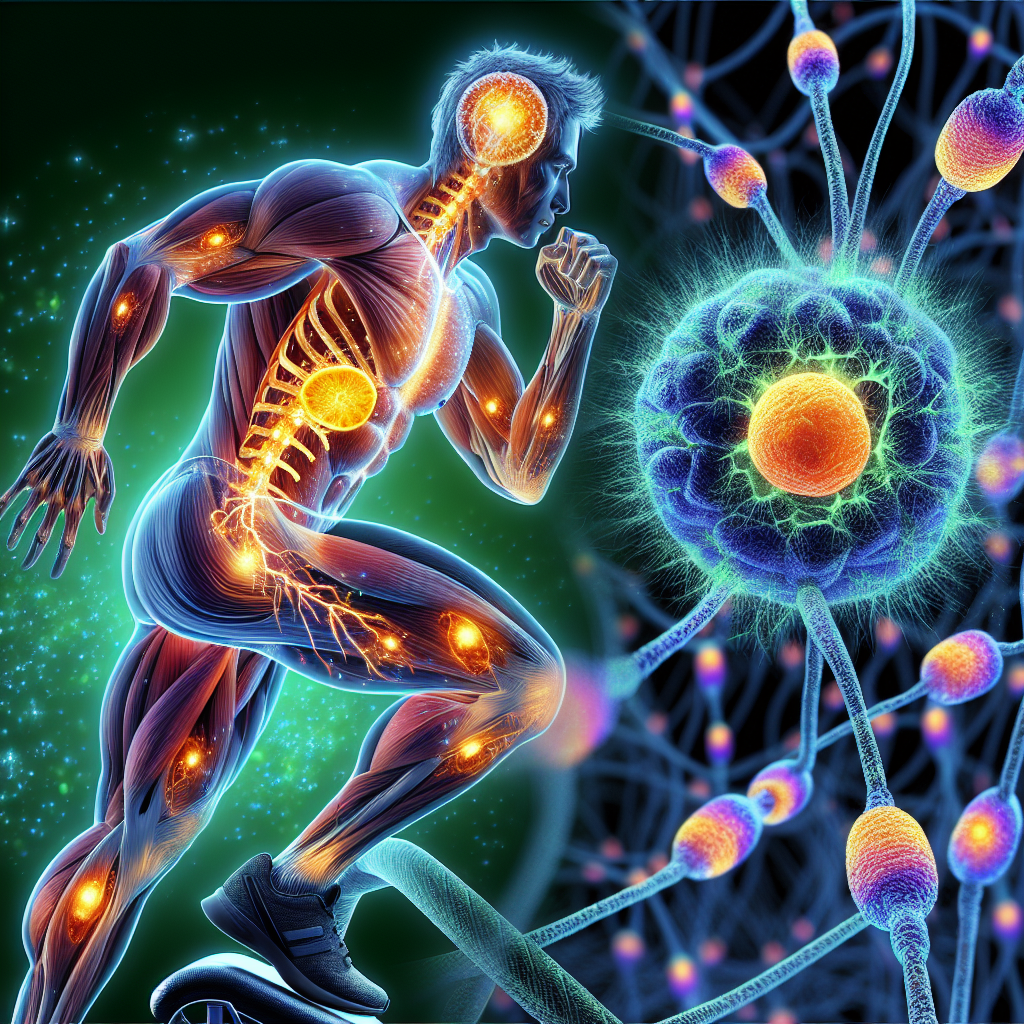
Exercise & Sirtuins: How Physical Activity Activates the Body’s Master Longevity Genes
Exercise is universally recognized as one of the most powerful anti-aging interventions available. People who exercise regularly live longer, develop fewer age-related diseases, and maintain better cognitive and physical function as they age.
But why? The answer lies in sirtuins—a family of seven proteins (SIRT1 through SIRT7) that act as cellular “guardians of aging.” Sirtuins sense metabolic stress (low energy, caloric restriction) and activate repair pathways that protect against aging and disease.
Exercise is one of the most potent activators of sirtuins. Every intense workout you do is essentially triggering a cellular-level anti-aging response—activating the same longevity genes that are naturally active in people practicing extreme caloric restriction or fasting.
This article explains the science of sirtuins, how exercise activates them, which types of exercise work best for longevity, and how to combine exercise with other interventions for maximum biological age reversal.
What Are Sirtuins? The Seven Longevity Genes
Sirtuins Overview: NAD+-Dependent Regulators
Sirtuins are enzymes that “sense” the energy status of cells through a molecule called NAD+ (nicotinamide adenine dinucleotide). When NAD+ levels are high, sirtuins are active. When NAD+ is low (as happens with aging), sirtuin function declines.
Each sirtuin has a specific location and function:
| Sirtuin | Location | Primary Functions | Longevity Role |
|---|---|---|---|
| SIRT1 | Nucleus | DNA repair, stress response, metabolism | Extends lifespan; prevents neurodegeneration |
| SIRT2 | Cytoplasm | Metabolic regulation, circadian rhythm | Metabolic health; prevents neurodegeneration |
| SIRT3 | Mitochondria | Mitochondrial function, antioxidant defense | Critical for healthy aging; mitochondrial quality control |
| SIRT4 | Mitochondria | Metabolic regulation, mitochondrial function | Glucose metabolism; insulin sensitivity |
| SIRT5 | Mitochondria | Mitochondrial function, ammonia detoxification | Urea cycle health; metabolic regulation |
| SIRT6 | Nucleus | DNA repair, genomic stability, telomere protection | Essential for longevity; protects against cancer and aging |
| SIRT7 | Nucleus | Ribosomal RNA transcription, stress response | Protein synthesis quality; stress resilience |
The NAD+ Connection
All sirtuins depend on NAD+, which declines with aging (dropping by ~50% by age 60). This is why NAD+ booster supplements are so popular in longevity medicine—low NAD+ means ineffective sirtuins, which means accelerated aging.
Exercise activates sirtuins partly by boosting NAD+ levels. This is why combining exercise with NAD+ supplementation theoretically amplifies anti-aging benefits.
Sirtuins’ Role in Cellular Aging & Stress Resistance
DNA Damage Repair
SIRT1 and SIRT6 directly protect DNA from damage and recruit repair machinery when damage occurs. As we age, DNA damage accumulates—mutations that drive cancer and aging. Sirtuins are the cellular security guards preventing this accumulation.
Mitochondrial Quality Control
SIRT3, SIRT4, and SIRT5 maintain mitochondrial function. Aging mitochondria produce excess free radicals and fail to generate ATP efficiently. These mitochondrial sirtuins trigger mitophagy (removal of damaged mitochondria) and mitochondrial biogenesis (creation of new, efficient mitochondria).
This is fundamental to aging: cells with healthy mitochondria age slowly; cells with dysfunctional mitochondria age rapidly. Sirtuin activation is how exercise reverses mitochondrial aging.
Metabolic Health
SIRT1, SIRT2, and SIRT6 regulate glucose metabolism, insulin sensitivity, and fat oxidation. These pathways are critical for preventing metabolic disease (diabetes, obesity) and maintaining healthy aging.
Stress Resistance & Longevity Pathways
Sirtuins activate FOXO transcription factors (which promote longevity) and suppress mTOR (the growth pathway that, when overactive, drives aging). Essentially, sirtuins activate the same “survival mode” genes that caloric restriction activates.
How Exercise Activates Sirtuins: Muscle Contraction & Energy Sensing
The Energy Deficit Trigger
When you exercise, muscles contract intensely, consuming ATP (energy). This creates an energy deficit. The body senses low cellular energy through AMP-activated protein kinase (AMPK), which activates sirtuins (especially SIRT1) and triggers the “stress response” cascade.
Paradoxically, this acute stress from exercise activates protective pathways that make you more resistant to stress long-term. This is hormesis—small stressors trigger adaptation.
NAD+ Production
Exercise increases NAD+ levels, directly fueling sirtuin activity. This effect lasts for hours post-exercise, during which sirtuin-dependent repair pathways are maximally active.
Lactate & Metabolites Signal Exercise Response
During intense exercise, lactate accumulates. Beyond being a metabolic byproduct, lactate acts as a signaling molecule that activates sirtuins and other longevity pathways. This is one reason high-intensity exercise is particularly powerful for anti-aging.
Best Exercise Types for Sirtuin Activation
High-Intensity Interval Training (HIIT)
Alternating short bursts of maximum-effort exercise with recovery periods. Example: 30 seconds of all-out sprinting, 90 seconds rest, repeat 8-10 times.
Why it works: HIIT creates the largest energy deficit, triggering maximum AMPK and sirtuin activation. Additionally, the lactate spike is substantial, further activating sirtuins.
Longevity benefits: 15-30 minutes of HIIT 2-3x weekly produces similar or greater longevity markers than hours of steady-state cardio.
Optimal protocol: Wingate sprints (30 seconds maximum effort, 4 minutes recovery), 4-6 repeats, twice weekly.
Endurance Training
Sustained aerobic exercise (running, cycling, swimming) at moderate-high intensity for 30-60 minutes.
Why it works: Extended exercise burns enormous amounts of ATP, sustaining NAD+ elevation and sirtuin activation throughout the session and for hours after.
Longevity benefits: Documented lifespan extension in exercisers. Cardiovascular adaptations, mitochondrial biogenesis, and reduced mortality risk.
Optimal protocol: 150 minutes moderate-intensity or 75 minutes vigorous-intensity weekly, according to WHO guidelines.
Strength Training
Resistance exercise (weights, bodyweight) causing muscular tension and metabolic stress.
Why it works: Strength training activates SIRT1 through mechanical tension. It also stimulates muscle protein synthesis, requiring NAD+ and SIRT1 for efficient repair.
Longevity benefits: Preserves muscle mass (critical with aging), improves metabolic health, reduces fall risk, and activates sirtuins.
Optimal protocol: 2-3 sessions weekly, targeting major muscle groups, with progressive overload (gradually increasing weight/difficulty).
Cold Exposure
Deliberate exposure to cold (cold plunges, ice baths, cold showers) activates SIRT1 and AMPK through a unique mechanism.
Why it works: Cold activates brown adipose tissue (metabolically active fat), which burns ATP to generate heat. This creates an energy deficit and activates sirtuins.
Longevity benefits: Activates sirtuins without exercise; may enhance immune function; reduces inflammation.
Optimal protocol: 1-3 minute cold water immersion at 50-59°F, once or twice weekly. Start gradually.
NAD+ & Sirtuins: The Metabolic Connection
Here’s the critical relationship: Exercise → ATP depletion → NAD+ elevation → Sirtuin activation.
But with aging, NAD+ levels drop even with exercise. This is why combining exercise with NAD+ boosting supplements (NMN, NR, NMN combined with urolithin A) may amplify anti-aging benefits. You’re exercising to activate sirtuins AND supplementing to ensure sirtuins have the fuel (NAD+) they need.
Some longevity researchers recommend:
- Take NAD+ booster (NMN 500-1000mg) 30 minutes before exercise
- Exercise intensely (HIIT or endurance)
- Sirtuins work at maximum capacity post-exercise to repair muscle and activate longevity pathways
Exercise-Induced Cellular Repair Pathways
Mitochondrial Biogenesis
Exercise triggers PGC-1α (a master regulator of mitochondrial biogenesis). Over weeks, this produces more mitochondria—younger, more efficient energy factories. This is fundamental to how exercise reverses aging.
Mitophagy (Cleanup of Damaged Mitochondria)
SIRT3 activation triggers mitophagy—selective removal of dysfunctional mitochondria. This prevents accumulation of damaged energy producers that would otherwise drive accelerated aging.
Autophagy & Protein Quality Control
Exercise activates AMPK, which activates sirtuins, which activate autophagy. This cellular cleanup is fundamental to aging reversal. Over years, regular exercisers have cleaner, more functional cells than sedentary people.
Optimizing Training for Longevity vs. Performance
It’s worth noting: the best exercise for longevity may differ from the best for athletic performance.
- For athletic performance: Moderate-heavy resistance training 4-6x weekly, sport-specific conditioning, strategic rest/recovery.
- For longevity: A mix of HIIT (2x weekly), moderate endurance (2-3x weekly), strength training (2-3x weekly), flexibility/mobility work, and strategic rest. Total time: 5-7 hours weekly, but spread sustainably across the lifespan.
The longevity approach prioritizes consistency over intensity—regular, moderate exercise done for decades beats sporadic intense exercise that leads to burnout or injury.
Age-Specific Exercise Recommendations
Sirtuin activation needs vary by age:
- 20s-40s: Build fitness foundation. HIIT 2-3x weekly, strength 2-3x weekly, endurance 2-3x weekly. Prioritize performance and building lean mass.
- 40s-60s: Maintain fitness as NAD+ begins declining. Add NAD+ boosters. Same exercise volume but with greater attention to recovery and injury prevention.
- 60s+: Preserve muscle and function. Strength training 3x weekly (critical for preventing falls and sarcopenia), moderate cardio 2-3x weekly, flexibility daily. Consider cold exposure for additional sirtuin activation.
Frequently Asked Questions
Q: How much exercise do I need to activate sirtuins?
A: As little as 15-30 minutes of HIIT 2x weekly produces measurable sirtuin activation. Endurance exercise requires longer durations (30-60 minutes) but lower intensity. The key is creating an energy deficit—your body’s metabolic stress trigger.
Q: Is moderate exercise enough?
A: Moderate exercise (walking, light cycling) activates sirtuins but less intensely than HIIT or sustained endurance work. It’s still beneficial and better than sedentary, but high-intensity work produces greater anti-aging effects.
Q: Can I activate sirtuins without exercising?
A: Yes, partially. Fasting activates sirtuins through energy deficit. Cold exposure activates SIRT1. Certain supplements (resveratrol, quercetin) are weak sirtuin activators. However, exercise is the most potent and reliable sirtuin activator.
Q: Does exercise lose effectiveness with age?
A: No. Even in elderly people (80s+), exercise activates sirtuins and produces anti-aging benefits. However, recovery is slower, and injury risk is higher—requiring careful programming.
Q: Should I combine exercise with fasting?
A: Fasted exercise (exercising in a fasted state) produces additional NAD+ elevation and sirtuin activation. However, it’s more taxing. For longevity, fed-state exercise is fine. Fasted exercise is optional optimization.
Q: Can sirtuin activators replace exercise?
A: No. While supplements like resveratrol activate sirtuins, exercise produces far more robust and consistent activation. Supplements may enhance exercise benefits but cannot replace them.
Combining Exercise with Complementary Interventions
Exercise + NAD+ boosters: Synergistic sirtuin activation. Supplement before exercise for maximum effect.
Exercise + Fasting: Dual AMPK/sirtuin activation. Fasting magnifies exercise’s cellular repair effects.
Exercise + Polyphenols (red wine, dark chocolate, berries): These compounds activate sirtuins and may enhance exercise recovery.
Exercise + Epigenetic age monitoring: Use epigenetic age testing or plasma proteomics every 6-12 months to measure whether your exercise routine is actually reversing biological aging.
Conclusion: Exercise as the Ultimate Anti-Aging Intervention
Exercise activates sirtuins—your body’s master longevity genes. Every intense workout is a molecular anti-aging event. Through sirtuin activation, exercise triggers mitochondrial biogenesis, DNA repair, autophagy, and metabolic optimization.
The optimal exercise for longevity combines high-intensity work (HIIT 2x weekly), sustained endurance (2-3x weekly), and strength training (2-3x weekly). This activates the full spectrum of sirtuins (SIRT1-7) and produces measurable biological age reversal over months to years.
For those pursuing maximum anti-aging benefit, combine exercise with:
- NAD+ booster supplements (to fuel sirtuin activity)
- Periodic fasting (additional sirtuin activation)
- Biological age testing (to measure results)
- Cold exposure (bonus sirtuin activation)
No pharmaceutical, supplement, or diet can replace exercise for longevity. Start moving intensely and consistently—your sirtuins will do the rest.
References
- Cantó, C., Auwerx, J. (2012). NAD+ as a signaling molecule with biological effects beyond energy metabolism. Nature Reviews Molecular Cell Biology, 13(7), 411-424.
- López-Lluch, G., et al. (2006). Calorie restriction induces mitochondrial biogenesis and bioenergetic efficiency. Proceedings of the National Academy of Sciences, 103(6), 1768-1773.
- Little, J. P., et al. (2011). A single bout of high-intensity interval training increases mitochondrial biogenesis in young mice. Journal of Physiology, 589(7), 1803-1816.
- Safdar, A., et al. (2011). Endurance training enhances mitochondrial biogenesis and angiogenesis in young men. Journal of Physiology, 589(12), 2803-2815.
- De Cabo, R., Mattson, M. P. (2019). Effects of intermittent fasting on health, aging, and disease. New England Journal of Medicine, 381(26), 2541-2551.
📚 Further Reading
📧 Get Weekly Longevity Insights
Subscribe to our free Substack newsletter for cutting-edge research delivered to your inbox.
Affiliate Disclosure: This article contains affiliate links. If you purchase through these links, we may earn a commission at no additional cost to you. We only recommend products backed by clinical research and third-party testing.
Medical Disclaimer: This content is for informational purposes only and does not constitute medical advice. Consult a healthcare provider before starting any new supplement regimen or exercise program, especially if you have existing health conditions or take prescription medications.